Cloudy glass on sliding doors can make a room feel dull and dim. Proper cleaning removes mineral buildup, soap scum, and film that causes cloudiness, restoring clarity and light. This guide walks American homeowners through a practical, step-by-step process using common tools and accessible products.
Quick Answer
To restore clarity, remove surface grime with a microfiber cloth and mild cleaner, scrub the track for smooth operation, rinse thoroughly, and seal with a silicone-based lubricant on the track to prevent future buildup. Use a long-reach squeegee for wide panes and a telescoping pole for hard-to-reach areas.
What You’ll Need
- Sliding glass door track cleaning brush
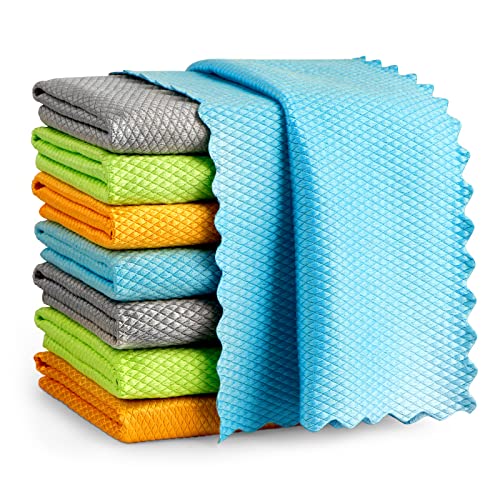
- Microfiber window cleaning cloths for glass doors
- Squeegee for sliding glass doors with long handle
- Glass door track lubricant silicone spray
- Telescoping window cleaning pole for glass doors
- All-purpose cleaner or vinegar solution
- Soft sponge or non-abrasive scrub pad
- Bucket and water


Before You Start
Prepare the area by removing valuables and laying down towels to catch drips. Ventilate the space if possible. Perform a quick test on a small, inconspicuous area of the glass to ensure cleaners do not cause streaks or damage. Time estimate: about 45 minutes to 1.5 hours depending on door size and scale of buildup. Avoid abrasive pads that can scratch glass and don’t mix ammonia cleaners with bleach.
Step-By-Step: How To Clean Cloudy Sliding Glass Doors
- Remove loose debris from the door track with a brush to prevent scratching the glass during cleaning.
- Apply cleaner to the glass and use a microfiber cloth to wipe away grime in circular motions, focusing on areas with visible cloudiness.
- Scrub stubborn spots with a soft sponge or non-abrasive pad, using a vinegar-water solution if mineral buildup is present.
- Rinse the glass with clean water or a damp microfiber cloth to remove cleaner residue and loosened particles.
- Dry the surface with a dry microfiber cloth to prevent new water spots and streaks.
- Clean the track using the sliding glass door track cleaning brush to loosen dirt and rinse the track with water if needed.
- lubricate the track with glass door track lubricant silicone spray, applying a light, even coat along the track to improve sliding action and curb future buildup.
- Clean high or hard-to-reach areas using a telescoping window cleaning pole to reach corners and edges; finish with a final wipe and squeegee pass on the glass for a spotless finish.
Troubleshooting
| Symptom | Likely Cause | Fix | Prevention |
|---|---|---|---|
| Persistent cloudiness near edges | Hard water mineral deposits | Use a vinegar-based cleaner or commercial mineral remover; re-clean and rinse | Wipe down glass after each cleaning to prevent mineral buildup |
| Streaks after drying | Uneven cleaning or dirty cloth | Switch to a fresh microfiber cloth and buff in one direction | Use high-quality microfiber and dry thoroughly |
| Door sticks or binds when opening | Dirty tracks or dried lubricant | Clean tracks again and reapply silicone lubricant | Clean monthly or after heavy use in dusty environments |
| Lubricant attracts more dust | Too much lubricant or wrong type | Wipe excess lubricant and reapply a light coat | Use recommended silicone spray only |
Common Mistakes
- Using abrasive pads on glass that scratches the surface
- Overlooking the track area, leading to jamming or uneven sliding
- Ignoring window edges where film tends to accumulate
- Over-wetting the glass, causing longer drying times and spots
Tips For Best Results
- Work on overcast days or indoors to avoid sun-warmed glass that dries cleaner too quickly
- Use a microfiber cloth and a lint-free squeegee for a streak-free finish
- Apply the silicone lubricant sparingly—thin coats ensure smooth operation without attracting excess dust
- For hard mineral buildup, let a vinegar solution sit for a few minutes before scrubbing
- Maintain a regular cleaning schedule to prevent cloudiness from returning
Call A Professional
Contact a professional if sliding doors fail to open smoothly after cleaning, if glass shows deep scratching, or if weathered seals cause leaks. Signs to stop DIY work include persistent structural damage, persistent fog between double panes, or damaged weatherstripping that affects energy efficiency.
FAQ
Can cloudy glass doors be fixed without replacing the door?
Yes, many cloudy doors regain clarity through thorough cleaning, mineral removal, and track lubrication without replacement.
What cleaners are best for cloudy glass?
Vinegar-water solutions, mild all-purpose cleaners, and dedicated glass cleaners work well. Avoid abrasive chemicals that can etch glass.
How often should sliding glass doors be cleaned?
Biweekly to monthly cleaning helps prevent buildup and keeps glass clear and tracks smooth.
Is silicone spray safe for door tracks?
Yes, silicone spray is widely used for sliding door tracks, but apply sparingly and follow product directions to avoid attracting dust.
Buying Guide
When selecting cleaners and tools for sliding glass doors, consider size, ease of use, and maintenance needs. A larger door may benefit from a telescoping pole and a longer squeegee for efficiency, while smaller doors can be managed with standard tools. Look for a low-maintenance track lubricant that staysput and resists dust buildup. Noise considerations aren’t critical for cleaning, but choosing a smooth-operating system reduces friction during use. For energy efficiency, ensure door seals are intact and tracks are clean to minimize drafts and improve comfort. Controls should be simple to operate, with quick-access cleaning spray, a good grip squeegee, and a reliable cleaning cloth. Placement matters: keep cleaning tools within easy reach near the door and store them in a dry, safe spot to prolong tool life.