Smelly P traps can be a common household nuisance, often caused by bacteria buildup, trapped debris, or a dry trap that allows sewer gases to escape. This guide provides practical, step-by-step instructions to eliminate the odor and keep your drains smelling fresh. By following safe, kitchen-friendly methods, homeowners can restore confidence in their plumbing without immediate professional help.
Quick Answer
Neutralize odors at the source: clean the P trap, clear minor blockages, and ensure the trap remains filled with water. Regular maintenance prevents foul smells from returning.
What You’ll Need
Before starting, gather these common tools and materials. They align with typical P-trap maintenance tasks and the specific products listed below.
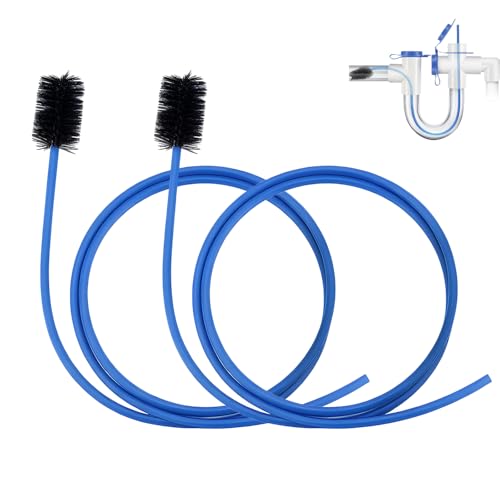
- P-trap cleaning brush for kitchen sink
- Drain snake flexible auger 1/4 inch for P-trap
- P-trap replacement kit PVC 1-1/2 inch
- Sink plunger and drain wrench set for P-trap
- Plumber’s wrench for P-trap removal


Before You Start
Inspect under the sink area for leaks and ensure the water supply is shut off before disassembling any P-trap components. Clear the area and place a bucket to catch water. Wear gloves and use eye protection if debris is present. Time estimate: 30–60 minutes for a typical kitchen setup, longer if replacement parts are needed. Important cautions: never force tools into fittings, and avoid overtightening joints when reassembling.
Step-By-Step: How To Get Rid Of P Trap Smell
- Place a bucket under the P-trap, then use a plumber’s wrench to loosen the nuts on the trap’s U-bend.
- Dismantle the trap and inspect for visible debris; remove hair, food particles, or scale with a P-trap cleaning brush for kitchen sink.
- Rinse the trap thoroughly with warm water and, if odor persists, prepare a mild cleaning solution of baking soda and white vinegar; flush through the drain after soaking the trap.
- Use a drain snake flexible auger 1/4 inch for P-trap to clear any minor clogs beyond the trap if water drains slowly.
- Reassemble the P-trap using new gaskets from the P-trap replacement kit PVC 1-1/2 inch if seals appear worn.
- Reconnect all joints hand-tight, then snug with the plumber’s wrench to ensure a lasting seal—avoid overtightening to prevent leaks.
- Run water for several minutes to verify flow and observe for leaks; ensure the trap remains full of water to keep sewer gases out of the living space.
- If odor returns after a few days, consider repeating the cleaning cycle or inspecting the venting system for issues that may trap odors near the trap area.
Troubleshooting
| Symptom | Likely Cause | Fix | Prevention |
|---|---|---|---|
| Persistent sewer smell | Dry P-trap or old seals | Refill trap with water and replace seals | Keep trap topped up, run faucet regularly |
| Slow draining | Minor clog in trap or drain line | Use drain snake to clear; flush with hot water | Avoid putting grease down the drain |
| Leak at joints | Over-tightened or worn fittings | Loosen slightly and retighten; replace worn gaskets | Use appropriate torque and quality fittings |
| Gurgling noises | Venting issue or trapped air | Check vent stack or call a pro if needed | Ensure proper venting in the plumbing system |
Common Mistakes
- Ignoring a persistent odor instead of inspecting for leaks or dry traps
- Over-tightening connections, which can cause leaks or cracks
- Using harsh chemicals that can corrode seals or pipes
- Forgetting to test for leaks after reassembly
Tips For Best Results
- Place a reminder to run water into the sink periodically to keep the P-trap full.
- Clean the P-trap periodically as part of routine maintenance to prevent buildup.
- Store spare gaskets and a basic tools kit under the sink for quick maintenance.
- Consider a dedicated descaler or enzyme cleaner if mineral buildup is frequent.
Call A Professional
Seek professional help if any of the following occur: persistent leaks despite tightening, repeated odors after thorough cleaning, or if you suspect a damaged pipe or a failed vent system. A licensed plumber can assess structural issues, perform safe disassembly, and ensure code-compliant repairs.
FAQ
What causes P-trap odors to appear?
Common causes include dry traps, trapped debris, and bacterial growth inside the trap or drain lines.
Can I fix a P-trap odor without tools?
Minimal fixes may involve pouring hot water and a mild cleaning solution down the drain, but most odor issues require disassembly and cleaning or replacement parts.
How often should I clean the P-trap?
For households with frequent use, a quarterly cleanup is reasonable; more often if odors recur.
Is a replacement kit necessary?
Replacement kits help when seals or pipes show wear; they simplify resealing and ensure compatibility with standard PVC sizes.
Buying Guide
When selecting parts to prevent or fix P-trap smells, consider size, compatibility, and durability. Choose a PVC 1-1/2 inch kit for most kitchen traps and verify the pipe diameter before purchasing. Look for components that are corrosion-resistant and easy to install. Noise, energy use, and placement staging are typically not major concerns for P-trap work, but ease of access under the sink matters. Consider a complete kit that includes new gaskets and a replacement trap, plus a cleaning brush and a flexible auger for maintenance. If space is tight, a compact kit with slimline tools can simplify installation and reduce the risk of leaks.