Old carpet stains can be stubborn, often penetrating fibers and leaving lingering odors. This guide shows practical, field-tested methods using common tools and cleaners to restore carpet appearance and freshness without heavy professional intervention.
Quick Answer
Act fast on fresh stains, then use enzyme cleaners for organic stains and a carpet stain extractor for deep-set spots. For large areas, a steam cleaner with strong suction helps remove embedded particles. Always test cleaners in an inconspicuous spot first to avoid color damage.
What You’ll Need
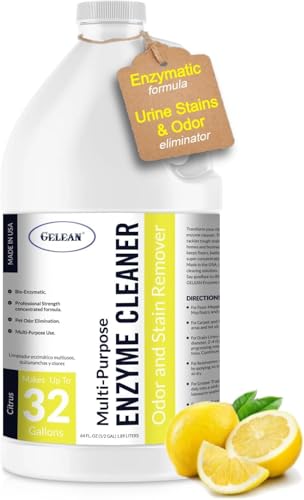
- Carpet stain remover enzyme cleaner 32 oz spray
- Carpet stain extractor machine for home use
- Upright carpet steam cleaner machine 1200W deep clean
- Professional carpet cleaning tool kit extraction wand
- Rug cleaning solvent enzyme concentrate 64 oz


Before You Start
Inspect the stain type by color and odor. Light-colored carpets are more susceptible to dye migration, so perform a test patch first. Clear the area of furniture and vacuum thoroughly to remove loose debris. Dilute concentrates as directed and avoid soaking the carpet excessively, which can lead to mold. Safety: wear gloves and ensure good ventilation. Time estimates vary by stain size but expect 30–90 minutes for a typical spot and up to several hours for large areas when allowing drying time between steps.
Step-By-Step: How To Remove Old Carpet Stains
- Identify the stain type and choose the right cleaner (enzyme cleaners for organic stains; solvent-based for oily stains).
- Pre-treat the stain with a light spray of carpet stain remover enzyme cleaner and let it sit for 5–10 minutes to break down fibers.
- Gently blot with a clean cloth to lift excess moisture, working from the outside edge toward the center to prevent spreading.
- For embedded soil, use a carpet stain extractor machine for home use or an extraction wand from the professional kit to flush the area with clean water and a rinse solution.
- For stubborn or old stains, apply rug cleaning solvent enzyme concentrate around the stain and allow it to sit as directed, then re-clean with the extractor wand.
- Run the steam cleaner over the area to lift remaining particles and improve drying. Use the upholstery/steam setting suitable for carpets and avoid saturating the backing.
- Blot again with a dry towel to remove excess moisture. If the stain reappears after drying, repeat the treatment cycle once more.
- Test a small area after each step to ensure colorfastness. If color transfer occurs, stop and consider a professional cleaning method.
- Allow the carpet to air dry completely; speed up drying with fans or dehumidifiers, ensuring proper airflow to prevent mildew.
- Vacuum thoroughly the next day to lift fibers and restore texture.
- For persistent odors, repeat enzyme treatments spaced a day apart to minimize re-soiling from residual odors.
- Document which cleaners work best for future reference and stain prevention strategies.
Troubleshooting
| Symptom | Likely Cause | Fix | Prevention |
|---|---|---|---|
| Stain reappears after drying | Residual stain particles or inadequate rinsing | Re-treat with enzyme cleaner and extractor, rinse thoroughly | Rinse until water runs clear; avoid overwetting |
| Color fading or dye bleed | Incompatible cleaner or excessive moisture | Test patch; switch to milder cleaner; blot and dry quickly | Always patch-test first |
| Stale odor after cleaning | Moisture trapped beneath carpet backing | Increase drying via fans/dehumidifiers; consider steam-drying | Drying aids and ventilation during and after cleaning |
| Sticky residue on surface | Over-application of cleaners or improper rinse | Rinse with clean water and gently blot | Use minimal effective amount of cleaner |
Common Mistakes
- Using hot water on protein-based stains like blood or wine, which can set them.
- Over-wetting carpet backing, leading to mold growth and slower drying.
- Neglecting to test cleaners on a hidden area, risking color damage.
- Rubbing aggressively, which frays fibers and spreads stain threads.
Instead, apply cleaners sparingly, blot gently, and dry thoroughly. A steady, patient approach yields better long-term results.
Tips For Best Results
- Address stains promptly before they set; if possible, act within 24 hours.
- Use enzyme cleaners for organic stains to break down proteins and oils at the molecular level.
- Coordinate products: use a cleaner for pretreatment, then an extractor for rinsing, and finish with a solvent concentrate for persistent spots.
- Work from the outside edge inward to prevent spreading; maintain a clean cloth for each pass.
- Keep carpet fibers lifted by keeping the area dry and ventilated after cleaning.
Call A Professional
Consider professional cleaning if stains cover large areas, if there is persistent odor, or if carpet fibers appear damaged or bleached. Stop signs include rising moisture, visible mold, or color loss after multiple attempts. A certified technician can assess carpet construction, padding, and dye stability to choose the safest restoration approach.
FAQ
Can enzyme cleaners remove old pet stains?
Yes, enzyme cleaners break down organic components in pet stains, aiding removal and reducing odors.
Is a steam cleaner safe for all carpet types?
Most synthetic carpets tolerate steam cleaning, but test a hidden area first and follow the manufacturer’s guidelines for heat and suction.
How long should carpet dry after cleaning?
Drying times vary by humidity and airflow; aim for 2–6 hours with good ventilation, longer in humid environments.
Can I use any rug cleaning solvent on old stains?
Choose a solvent compatible with your carpet fiber and dye; always patch-test to prevent color transfer.
What if stains return after cleaning?
Re-treat with enzyme cleaner and re-extract; consider a full strip and reseal if needed and consult a pro for ongoing issues.
Are there eco-friendly options for stains?
Yes, enzyme-based cleaners and water-based extraction solutions offer effective cleaning with lower environmental impact.
Buying Guide
When choosing tools and cleaners to tackle old carpet stains, consider several factors that impact results and upkeep.
- Size and coverage: For small spots, a 32 oz enzyme cleaner spray is handy; for large areas, a carpet stain extractor or upright steam cleaner improves efficiency.
- Noise level and ease of use: Look for user-friendly machines with straightforward tank refills and minimal vibration during operation.
- Energy efficiency: Choose 1200W-class steam cleaners or energy-efficient extractors that balance power with reasonable power draw.
- Controls and versatility: Variable suction, heat settings, and compatible attachments (extraction wand) help tailor cleaning to different stains.
- Placement and storage: Compact designs fit in closets or laundry rooms; consider cord length and accessory storage for convenience.
- Stain type compatibility: Enzyme cleaners excel on organic stains; solvent concentrates target oily residues; test dye stability first.
- Maintenance: Regular cleaning of tanks, nozzles, and brushes extends tool life and maintains performance.
For best results, pick a combination that covers pretreatment, extraction, and odor control. A balanced kit commonly includes an enzyme cleaner, a stain extractor, and an optional steam cleaner for deep cleaning.