Maintaining clean soda guns is essential for beverage quality and customer safety. Proper cleaning reduces flavor carryover, prevents mold and bacterial growth, and keeps lines issuing bubbly, consistent drinks. This guide outlines a practical, step-by-step approach using common tools and a dedicated cleaning kit to keep soda fountains pristine.
Quick Answer
Regular disassembly and dedicated cleaning kits ensure thorough sanitation. Run carbonated beverage line cleaning solutions through the system, scrub nozzles with a brush, and rinse with clean water between batches to prevent buildup and cross-contamination.
What You’ll Need
The following tools and materials cover typical soda gun cleaning tasks. Gather these before you start to streamline the process.
- soda fountain cleaning kit
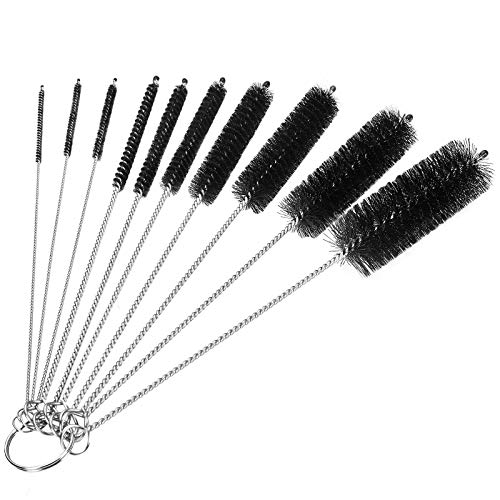
- soda gun nozzle cleaning brush
- carbonated beverage line cleaning kit
- fountain drink nozzle cleaning brush
- soda line sanitation kit


Before You Start
Review the manufacturer’s instructions for your specific soda gun model. Ensure the machine is powered off and unplugged, and disconnect power to the corresponding dispenser. Clear the work area and wear protective gloves to prevent contact with cleaning solutions. Time estimates vary; plan for 30–60 minutes for a thorough in-drawer cleaning, plus extra time for drying and testing. Never mix cleaning chemicals not approved for food-contact surfaces, and avoid letting cleaning solutions sit in lines longer than recommended.
Step-By-Step: How To Clean a Soda Gun
- Remove the soda gun from its mount and detach the nozzle assembly according to the user manual.
- Rinse the nozzle components under warm running water to loosen surface residues, then apply the soda fountain cleaning kit solution as directed.
- Use the soda gun nozzle cleaning brush to scrub the exterior and interior of the nozzle housing, paying attention to crevices where syrup buildup can occur.
- Prepare the cleaning solution in the bottle or reservoir supplied by your carbonated beverage line cleaning kit, and attach it to the cleaning station as instructed.
- Flush the lines with the cleaning solution, running through the entire system with the trigger held open to ensure the liquid travels the full length of each line.
- Rinse the lines with clean water by flushing repeatedly until no cleaning solution remains, then reassemble the nozzle components.
- Operate a test pour to confirm there is no residual cleaning taste and that carbonation and flow are consistent.
- Sanitize the entire assembly using a manufacturer-approved sanitizer, following contact times exactly as recommended.
- Carefully dry all components before reinstalling them on the soda fountain to prevent moisture-related issues.
- Document the cleaning cycle, noting date, time, and any anomalies observed for maintenance records.
- Schedule regular cleanings based on usage and beverage variety, increasing frequency during peak service
- If any persistent odors or flavor carryover persists after cleaning, escalate to a more intensive sanitation protocol or consult a service technician.
Troubleshooting
| Symptom | Likely Cause | Fix | Prevention |
|---|---|---|---|
| Slow pour or inconsistent flow | Syrup or line buildup | Deep clean with the carbonated beverage line cleaning kit and brush | Schedule regular line cleanings |
| Off-taste after cleaning | Residual sanitizer or cleaning solution | Rinse thoroughly with clean water until no taste remains | Adhere to rinse times and volumes |
| Foam or carbonation issues | Clogged nozzle or air intake | Disassemble and scrub nozzle, check seals | Inspect seals during every clean |
| Persistent odor | Biofilm in lines | Use a stronger sanitation cycle per kit instructions | Increase cleaning frequency in busy periods |
Common Mistakes
- Not disconnecting power or removing components incorrectly
- Using non-approved cleaners that contact beverages
- Rinsing too briefly, leaving cleaning residues
- Skipping the drying step, risking corrosion or mold
Attention to detail in each step reduces the chance of flavor contamination and equipment wear.
Tips For Best Results
- Schedule routine cleans at predictable intervals to prevent buildup
- Label and date cleaning tools to avoid cross-contamination
- Keep brushing implements dedicated to beverage lines to maintain hygiene
- Test with a small batch before returning to full service
Call A Professional
Contact a professional if you notice persistent off-flavors, significant syrup cross-contamination, or if the system requires disassembly beyond routine maintenance. Stop use and call a technician if:
- The unit leaks or shows signs of electrical damage
- Disassembly reveals damaged seals or worn fittings
- Cleaning does not restore proper flow after repeated cycles
FAQ
How often should I clean a soda gun?
Cleanings should occur at least daily for high-use venues and more often if multiple flavors are used or if syrup detects odor or taste issues.
Can I use household cleaners for soda lines?
No. Use only cleaners approved for food-contact surfaces and the specific kit instructions to prevent residue and safety risks.
What is the correct sequence for cleaning?
Disassemble, rinse, scrub with a dedicated cleaning brush, apply cleaning solution, flush lines, rinse again, sanitize, dry, and reassemble.
What should I do if I smell syrup after cleaning?
Rinse thoroughly and repeat the sanitation cycle; if odor persists, escalate to a professional service.
Is it necessary to sanitize after cleaning?
Yes. Sanitizing ensures residual microbes are neutralized before the system is returned to service.
What if the nozzle remains clogged after cleaning?
Inspect for hard syrup deposits and replace seals or the nozzle if needed.
How can I extend the life of soda lines?
Keep lines clean, control temperatures, and perform preventive maintenance according to manufacturer recommendations.
Buying Guide
When selecting tools to maintain a soda gun, consider size and compatibility with your equipment, noise level during operation, energy efficiency, ease of use, and placement within the bar or kitchen workflow. Key factors include:
- Size and compatibility: Ensure the cleaning kit and brushes fit your soda gun model and line fittings.
- Noise level: Choose tools designed for quiet operation to minimize disruption during service.
- Energy efficiency: Favor compact, low-power cleaning devices that integrate with existing dispensers.
- Controls and indicators: Look for clear instructions, color-coded brushes, and straightforward timer settings.
- Placement: Store supplies in a clean, accessible area near the soda station to facilitate quick cleanings.
For optimal results, compare bundles that include a soda fountain cleaning kit, dedicated brushes, and a carbonated beverage line cleaning kit. Assess your venue’s volume, flavor variety, and maintenance schedule to pick a setup that balances cost with reliability. Ready access to a replacement nozzle brush or cleaning wand can reduce downtime during busy shifts.