Wet carpets can lead to musty odors, lingering moisture, and potential mold growth if not addressed promptly. This guide provides practical steps and recommended tools to restore freshness and safety to affected areas in American homes.
The process combines moisture extraction, odor neutralization, and thorough drying to prevent recurring dampness. By following these steps, homeowners can reduce replacement costs and extend the life of their carpet investments.
Quick Answer
Act quickly to extract moisture, deodorize, and dry the carpet. Begin with a strong extractor or steam cleaning method, then use a dehumidifier to finish dehydration. Revisit affected areas after 24–48 hours to confirm dryness and odor control.
What You’ll Need
- Carpet cleaning machine with built-in extractor and odor removal
- Wet dry vacuum cleaner with carpet washing attachment
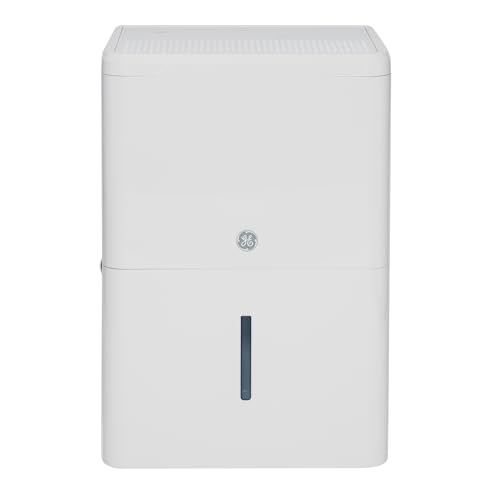
- Portable dehumidifier 50 pint with humidistat for moisture control
- Steam carpet cleaner machine for odor elimination
- Industrial carpet extractor with heat option for deep cleaning


Before You Start
Ensure safety by turning off power to any affected outlets in the area and removing small items from the carpet. Move furniture as needed to expose the full surface. If the carpet has a strong moldy odor or visible growth, discontinue use of water-based methods on the affected zone and consider professional remediation. Plan for several hours of processing time, including drying, and consider renting equipment if you don’t own it.
Critical cautions: Do not mix cleaning chemicals, and always follow manufacturer instructions for any equipment. Ventilate the space to speed drying and reduce humidity buildup.
Step-By-Step: How To Get Rid Of Wet Carpet Odor
- Identify the moisture source and stop it. If a leak is ongoing, shut off water and repair the source before cleaning.
- Initial extraction with a wet dry vacuum cleaner equipped with a carpet washing attachment to remove as much water as possible.
- Apply an appropriate deodorizing approach using a carpet cleaning machine with built-in extractor and odor removal or a dedicated steam carpet cleaner for odor elimination.
- Run a hot water extraction cycle in sections, ensuring you cover all areas with visible dampness.
- Use a portable dehumidifier in the room, set to a low humidity level, and place units strategically to maximize air flow.
- Repeat extraction after the initial dry-down and recheck for any remaining damp spots or musty odors.
- Allow the carpet to dry completely. Keep doors open or use fans to accelerate evaporation and reduce moisture pockets.
- If odor persists, re-clean with a steam carpet cleaner machine focused on discolored or heavily used zones.
- Once dry, monitor the area for several days. If dampness or odor returns, consider a professional assessment for potential underlayment issues.
Troubleshooting
| Symptom | Likely Cause | Fix | Prevention |
|---|---|---|---|
| Persistent musty odor after drying | Residual moisture or mold growth | Re-run extraction and use steam cleaning; check for mold in padding | Address spills promptly; maintain proper humidity |
| Carpet feels damp to the touch | Insufficient extraction or slow drying | Increase extraction cycles; deploy dehumidifier near the area | Improve ventilation during cleanup |
| Drying takes longer than expected | High ambient humidity or poor airflow | Use multiple fans and a larger dehumidifier; extend drying time | Seal off the room to reduce humidity influx |
| Color bleed or texture change after cleaning | Over-wetting or harsh cleaning agents | Use manufacturer-approved cleaning products and avoid over-wetting | Test in a hidden area before full application |
Common Mistakes
- Running cleaning tools without extracting water afterward
- Using too much moisture or leaving the space poorly ventilated
- Neglecting underlay or padding, which can harbor odors
- Rushing the drying process and closing the space too soon
Tips For Best Results
- Work in sections to prevent the carpet from soaking again during the process.
- Pair extraction with active deodorizing to neutralize odor molecules at the source.
- Utilize a humidistat-equipped dehumidifier to maintain consistent drying conditions.
- Consider a heat option on an industrial extractor for deep cleaning in heavily soiled areas.
- Inspect for hidden moisture behind baseboards or under tack strips after drying.
Call A Professional
Call a professional if: there is extensive water damage or standing water after extraction, the odor remains after repeated cleaning attempts, or there is potential mold growth behind walls or under flooring. Seek urgent help if you notice health concerns such as coughing, sneezing, or allergic reactions in occupants.
FAQ
Can I use household products to remove wet carpet odor?
Household cleaners can help, but for persistent odors, professional-grade odor removers and extraction equipment yield better results.
How long does it typically take for a carpet to dry after cleaning?
Drying times vary by room size, humidity, and ventilation, but expect several hours to a full day for complete drying with dehumidification.
Is it necessary to remove the carpet padding?
In severe cases or when padding is moldy, replacing padding improves outcomes and reduces odor recurrence.
What maintenance helps prevent future wet carpet issues?
Promptly clean spills, control indoor humidity, fix leaks, and schedule periodic professional cleanings to maintain carpet health.
Buying Guide
Choosing the right equipment for dealing with wet carpet odor involves considering size, noise, efficiency, controls, and placement. Here are key factors and how they influence decisions:
- Size and capacity: Larger rooms benefit from a full-size carpet cleaning machine with high water recovery. Smaller areas may use portable extractors.
- Noise level: If cleaning occurs in living spaces, look for quieter models to minimize disruption.
- Energy efficiency: Dehumidifiers with efficient motors and humidity controls reduce running costs and shorten drying times.
- Controls and features: Machines with preset cleaning modes, heat options, and odor removal features streamline the process.
- Placement and portability: Lightweight options ease maneuvering around furniture and stairs.
For best results, opt for a combination that includes a powerful extractor with odor removal, a reliable steam option for odor elimination, and a 50-pint dehumidifier with a humidistat to manage moisture levels. Compare rental vs. ownership based on the room size, frequency of incidents, and climate. A comprehensive setup helps ensure thorough drying and odor control, reducing the risk of recurring issues.