Oil stains on concrete driveways are common after vehicle leaks or spills. With the right products and a steady hand, most stains can be lightened or removed entirely. This guide provides practical, step-by-step methods using consumer-grade tools and cleaners available in the U.S. market.
Quick Answer
For fresh leaks, blot and apply a degreaser or gel specifically designed for concrete, then rinse. For older stains, use an oil stain absorbing poultice or a concrete degreaser with scrubbing, followed by a rinse or pressure washing. Persistence and proper scrubbing typically yield the best results.
What You’ll Need
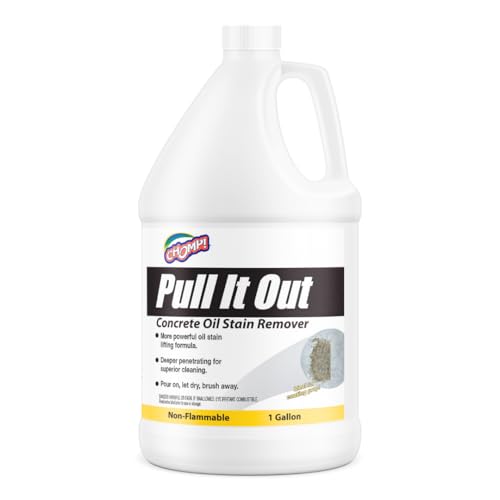
- Concrete oil stain remover gel for driveways
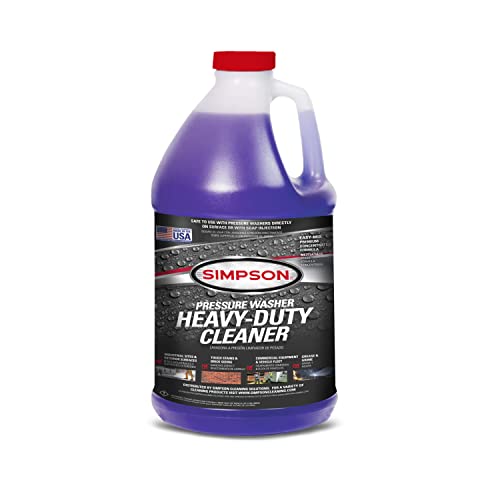
- Pressure washer detergent for oil stains on concrete
- Oil stain absorbing poultice for driveway concrete
- Stiff nylon scrub brush for cleaning oil stains on concrete
- Concrete degreaser spray with scrub pad kit

Before You Start
Survey the area for fragile surfaces, exposed rebar, or coatings that could be damaged by cleaners. Test cleaners on a small, inconspicuous patch first. Work on a dry surface if possible, and avoid staining adjacent areas. Expect to repeat treatments for stubborn stains, and plan several hours for the process with time to dry between steps. Wear eye protection, gloves, and weather-appropriate footwear.
Step-By-Step: How To Remove Oil Stains From Concrete Driveways
- Place absorbent materials around the stain to prevent spreading and blot the excess oil with paper towels or rags.
- Apply concrete oil stain remover gel for driveways directly to the stain and let it sit per label directions to break down the oil.
- Scrub the area with a stiff nylon scrub brush for cleaning oil stains on concrete to lift oil from pores.
- Rinse with clean water or use a pressure washer detergent for oil stains on concrete to help wash away the gel and loosened oil.
- If stains persist, sprinkle a thin layer of oil stain absorbing poultice for driveway concrete over the area and cover according to product guidelines, then remove once dry.
- Repeat the gel application, scrubbing, and rinsing cycle until the stain diminishes. For stubborn areas, alternate with a concrete degreaser spray with scrub pad kit and scrubbing.
- Finish with a thorough rinse to remove all cleaning residues. Allow the surface to dry completely before parking on it.
- For long-term prevention, consider sealing the driveway with an appropriate sealant after cleaning and drying.
Troubleshooting
| Symptom | Likely Cause | Fix | Prevention |
|---|---|---|---|
| Stain reappears after cleaning | Residual oil in porous surface | Apply poultice again and repeat degreasing | Seal the driveway to limit absorption |
| Streaks remain after washing | Uneven application or insufficient scrubbing | Reapply cleaner and scrub with a stiff brush | Rinse from clean edge toward dirty area |
| Cleaner reacts with surface (discoloration) | Incompatible product or overuse | Rinse immediately; test next time on small area | Choose products labeled for concrete and follow instructions |
| Surface feels slick after cleaning | Residue from cleaner or oil | Extra rinse and air-dry; repeat if needed | Use a neutral pH cleaner if needed |
Common Mistakes
- Using household cleaners not designed for concrete, which can leave residues or discoloration.
- Waiting too long to act on new stains, allowing the oil to penetrate deeper.
- Over-wetting the surface before cleaning, which can spread oil laterally.
- Skipping a test patch and applying products directly to the entire stain.
Tips For Best Results
- Address stains promptly; fresh spills are easier to remove than aged ones.
- Work from the outside edge of the stain inward to prevent spreading.
- Use a stiff nylon scrub brush to avoid gouging the concrete while cleaning.
- Allow adequate drying time between repeated treatments to prevent dilution of cleaners.
- Consider a concrete sealant after cleaning to reduce future staining.
Call A Professional
Seek professional help if a stain covers a large area, if the concrete is heavily pitted, or if previous attempts failed to improve the appearance. Do not use harsh chemical products on decorative finishes or stained concrete without professional guidance. Look for a pro who specializes in concrete restoration or stain removal.
FAQ
What is the easiest way to remove oil stains from concrete?
Start with a concrete oil stain remover gel, then scrub and rinse. For stubborn spots, use a poultice and repeat as needed.
Can I use bleach or vinegar to remove oil from a driveway?
Bleach and vinegar are not ideal for oil removal and can damage concrete or create residues. Use products designed for concrete oil stains.
How long should I wait before sealing a cleaned driveway?
Wait until the surface is completely dry, usually 24–48 hours, and ensure there is no remaining residue from cleaners.
Is a pressure washer safe on all driveways?
Pressure washers are generally safe but use a low to medium setting and avoid square patterns that could etch the surface. Check the sealant and finish compatibility first.
Buying Guide
When choosing products to remove oil stains from concrete driveways, consider these factors to ensure effective results and long-term durability.
- Size and stain severity: Light stains respond to gels and detergents, while heavy, aged stains may need poultices and multiple treatments.
- Noise level and convenience: Hand scrubbing with a brush is labor-intensive; consider whether a scrub pad kit or degreaser spray fits your workflow.
- Energy efficiency and eco-friendliness: Look for biodegradable detergents and low-foam formulations to minimize environmental impact.
- Controls and application: Gel formulas offer precise application on stains; sprays and detergents provide broad coverage but may require scrubbing.
- Placement and practicality: Driveway layout, accessibility, and proximity to landscaping affect product choice and use.
- Surface compatibility: Ensure the product is safe for the specific concrete finish and does not damage other materials nearby.
With the right approach and the listed tools, most oil stains on driveways can be significantly reduced or eliminated. Ready to start? Gather the referenced products, set aside time, and follow the steps above for best results.