Maintaining clean concrete surfaces is essential for curb appeal, safety, and longevity. This guide outlines practical steps and the right tools to keep driveways, sidewalks, and patios looking their best without heavy, repeated scrubbing.
By following a systematic cleaning routine and using the right equipment, homeowners can tackle oil stains, dirt, and mold effectively. The focus is on simple methods, safe products, and durable tools suitable for American households and climates.
Quick Answer
Fast method: Pre-treat stubborn stains with a concrete cleaner degreaser, scrub with a stiff nylon or masonry brush, and power wash at a moderate PSI. Repeat as needed and seal for longer-lasting results.
What You’ll Need
The following tools and products align with common concrete cleaning tasks. Gather them before starting to ensure a smooth workflow.
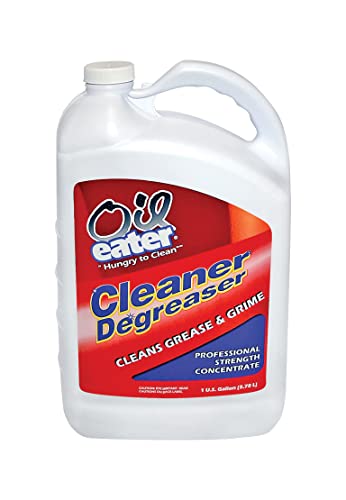
- Concrete cleaner degreaser liquid gallon
- Electric pressure washer for concrete cleaning 1800-2200 psi
- Stiff nylon scrub brush for concrete cleaning
- Masonry scrub brush 4 inch concrete cleaning
- Outdoor push broom stiff bristles concrete cleaning


Before You Start
Assess the surface for cracks, coatings, or sealers that could affect cleaning results. Wear eye protection, gloves, and closed-toe shoes. Test a small hidden area first to check for color fastness or surface damage. Time estimates vary by area: a typical driveway or patio may take 1–3 hours including prep and finish work. Avoid using bleach on colored concrete unless a manufacturer-approved product is specified.
Step-By-Step: How To Keep Concrete Clean
- Clear the area of loose debris such as leaves, sand, and trash to expose the full surface.
- Apply a concrete cleaner degreaser liquid to oil stains and heavily soiled zones. Let it sit per label directions to penetrate grime.
- Scrub stained areas with a stiff nylon scrub brush or a masonry brush to loosen embedded material.
- Rinse the surface with a low- to moderate-pressure stream to remove loosened dirt and cleaner residue.
- If stains persist, reapply cleaner and scrub with the brush using circular motions, focusing on stubborn patches.
- Use an outdoor push broom with stiff bristles to sweep away excess water and residue toward an appropriate drainage area.
- Rinse again with a higher-pressure setting if the surface remains dull or dirty, ensuring all cleaner residues are washed away.
- Let the concrete dry completely, then inspect for any remaining stains and repeat the process if needed.
Troubleshooting
| Symptom | Likely Cause | Fix | Prevention |
|---|---|---|---|
| Dull patch after cleaning | Residual soap or mineral deposits | Rinse thoroughly with clean water and repeat | Rinse until water sheets off cleanly |
| Stubborn oil stain persists | Deep-seated oil | Apply additional degreaser, allow longer dwell, re-scrub | Address oil spills quickly after they occur |
| Surface wears or etches | Harsh cleaners or high PSI | Use milder cleaner and lower pressure | Test in a small area first |
| Streaking after rinse | Uneven cleaning or poor drainage | Re-clean in sections, ensure proper drainage | Plan rinse path away from surfaces that collect grime |
Common Mistakes
- Using overly aggressive cleaners on sealed or painted surfaces
- Skipping a test patch before full application
- Relying on high PSI alone without proper brushing
- Ignoring drainage and letting dirty rinse water pool nearby
Tips For Best Results
- Choose a concrete cleaner degreaser designed for the stain type you face (oil, rust, molds).
- Work in shaded areas during heat waves to prevent premature drying of cleaners.
- Use a combination of brushing and rinsing to maximize soil removal.
- Seal the surface after a thorough cleaning to slow future staining.
Call A Professional
Consider professional help if the concrete has deep-set oil stains, efflorescence, or large areas with extensive mold growth. Seek a pro if the surface is cracked or if you are unsure about the compatibility of cleaners with coatings or sealers on the concrete.
FAQ
What is the best cleaner for concrete?
Choose a concrete cleaner degreaser formulated for the stain type you face, and follow label directions for safe and effective use.
Can I clean concrete with a regular garden hose?
A garden hose can rinse, but a pressure washer typically cleans more deeply and quickly.
How often should I clean outdoor concrete?
Light cleaning every season and a deeper cleaning every 6–12 months helps maintain appearance and prevent buildup.
Is it necessary to seal concrete after cleaning?
Sealing after a thorough cleaning helps protect against future staining and makes maintenance easier.
Are there safety concerns with concrete cleaners?
Yes—wear eye protection and gloves, and avoid mixing cleaners or using bleach unless specified by the product label.
Buying Guide
When selecting products and tools for keeping concrete clean, consider size, noise, energy use, and ease of use to match household needs.
Key buying factors include:
- <bSize and coverage: For large driveways, opt for larger gallon quantities or professional-grade cleaners.
- <bNoise level: Electric pressure washers offer quieter operation than gas units; choose based on neighborhood norms.
- <bEnergy efficiency: Look for energy-efficient cleaners and reusable brushes to minimize waste.
- <bControls and ease of use: Simple spray and spray-jet settings reduce complexity for DIY users.
- <bPlacement and setup: Ensure the pressure washer and brushing tools fit your cleaning area and allow for safe drainage and storage.
For best outcomes, balance power with surface care, and match tools to the job size. A combination of a dedicated concrete cleaner degreaser, a high-quality electric pressure washer within the 1800–2200 psi range, and sturdy brushes typically delivers reliable results for home concrete cleaning. If in doubt, consult product manuals or a local expert to confirm compatibility with your concrete type and any existing coatings.