Pet owners often notice small moths or larvae around stored dog food, especially if the container is opened or stored in warm, humid areas. These pests can contaminate the food and surrounding pantry space. This guide walks through practical, safe steps to remove moths from dog food, prevent re-infestation, and protect pet nutrition.
Quick Answer
Contain the infestation quickly by discarding affected bags, cleaning the area, and sealing foods in airtight containers. Use pheromone traps to attract and capture pantry moths, and consider desiccants to reduce moisture. Regularly inspect storage and schedule routine cleanups to prevent recurrence.
What You’ll Need
- pantry moth trap kit with pheromone bait
- airtight dog food storage container 20 lb
- vacuum sealer machine for pet food storage
- sticky pantry moth traps for kitchen
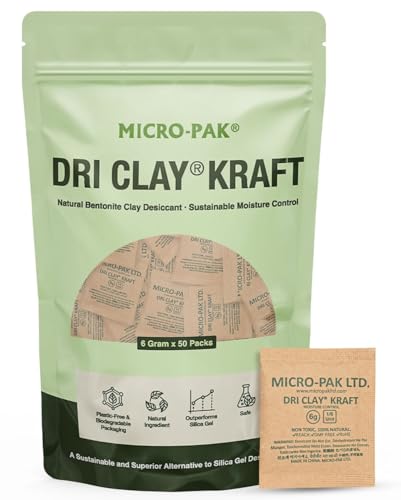
- desiccant moisture absorber canister for pet food storage


Before You Start
Plan a quick cleanup in a well-ventilated area. Remove all dog food from the pantry and inspect every bag or canister for larvae, webbing, or damage. Discard compromised food with sealed disposal to avoid re-infestation. Clean shelves with soap and water, then wipe with a mild disinfectant. Dry surfaces completely before restocking. Set aside a dedicated space for new, unopened bags and ensure lids are tightly sealed to maintain freshness and deter pests.
Time estimate: 60–90 minutes for a full cleanup and reorganization; ongoing maintenance involves weekly checks for 5–15 minutes. Safety note: keep cleaning products and desiccants out of reach of pets and children.
Step-By-Step: How To Eliminate Pantry Moths From Dog Food
- Identify all affected packaging and remove it from the pantry. Check inside empty bags for larvae, webbing, or staining.
- Dispose of compromised product in a sealed trash bag placed outside the home to prevent scavenging by animals.
- Empty the pantry shelves and vacuum every corner, shelf edge, and inside door gaskets. Use a crevice tool for tight spaces.
- Wipe shelves with a mild soap solution or a cleaner designed for food-contact surfaces. Allow to dry completely.
- Clean dog food containers thoroughly. Wash with warm water and a mild detergent, rinse, and dry completely before refilling.
- Transfer dog food into airtight dog food storage container 20 lb or divide into multiple sealed units. A vacuum sealer can be used for long-term storage of opened bags.
- Set up pantry moth trap kit with pheromone bait and sticky pantry moth traps for kitchen in strategic locations to monitor and reduce adult moths.
- Use desiccant moisture absorber canister for pet food storage near storage areas to reduce humidity that supports moth life cycles.
- Repack dog food into airtight containers, label with purchase date, and store in a cool, dry place away from sunlight.
- On a weekly basis, inspect containers for signs of reinfestation and replace pheromone and sticky traps as directed by product guidelines.
- If moth sightings persist, perform a second, thorough pantry cleanse and consider relocating storage to a cooler, less humid area of the home.
- Implement ongoing prevention: maintain airtight storage, limit open bags, and routinely rotate stock so older bags are used first.
Troubleshooting
| Symptom | Likely Cause | Fix | Prevention |
|---|---|---|---|
| Moths still present after cleanup | Hidden larvae in shelves or containers | Re-clean and inspect every item; replace traps | Store all dog food in airtight containers; use desiccants |
| Food has webbing or larvae inside | Inactive or compromised bags | Dispose immediately; thoroughly sanitize area | Inspect new bags before bringing home |
| Traps not catching moths | Low pheromone levels or incorrect placement | Replace traps; place near entry points and high-traffic areas | Keep traps refreshed with product directions |
| Moisture buildup around storage | High humidity | Incorporate desiccants and improve ventilation | Store in climate-controlled space |
Common Mistakes
- Leaving opened bags in the pantry instead of transferring to airtight containers
- Ignoring damp or humid storage areas that favor moth life cycles
- Relying on traps alone without cleaning and proper containment
- Failing to inspect all dog food containers during cleaning
- Using harsh cleaners that leave residues on food-contact surfaces
Tips For Best Results
- Seal opened dog food bags promptly and label with purchase date
- Rotate stock and use the oldest bags first to minimize open time
- Place pheromone-based traps near corners, shelves, and pantry doors for best capture rates
- Keep the pantry dry; use moisture absorbers in warm climates
- Do a quarterly pantry audit to catch early signs of moth activity
Call A Professional
If moths persist after two thorough cleanings and trap deployments, consider consulting a pest management professional. Stop signs include recurring infestations lasting weeks, signs of wider pantry contamination, or when infestations involve multiple storage areas beyond the kitchen. A pro can assess concealed nesting sites and provide targeted treatment while ensuring food safety for pets.
FAQ
What attracts pantry moths to dog food?
Warm, humid conditions and exposed or improperly sealed bags attract pantry moths by providing food sources and breeding sites.
Can I reuse opened dog food bags after cleaning?
Only if the product is still within its shelf life and the bag is sealed and stored properly; otherwise, discard to prevent contamination.
Are pheromone traps safe around pets?
Yes, when used as directed, pheromone traps pose minimal risk to pets. Place traps away from pet reach and follow product instructions.
How long does it take to eliminate a pantry moth infestation?
Complete elimination typically takes a few weeks, depending on humidity, storage conditions, and adherence to cleaning and containment steps.
Buying Guide
When choosing storage and pest-control solutions for dog food, consider these factors:
- Size and capacity: Select airtight containers that match the bag sizes you buy most often. A 20 lb container is common for households with multiple dogs.
- Seal quality: Look for airtight seals with easy-to-use lids, and compatibility with vacuum sealing for long-term storage.
- Moisture control: Desiccants help keep humidity in check, which reduces moth development and spoilage.
- Pest control methods: Combine pheromone traps with sticky traps for monitoring and quick reduction of adult moths.
- Noise and maintenance: Some vacuum sealers and traps produce minimal noise; choose models with simple maintenance and readily available replacement parts.
- Placement considerations: Store in a cool, dry, pantry area away from heat sources and direct sunlight to preserve food quality and deter pests.
- Cost of ownership: Factor in solid containers, traps, and desiccants as an integrated system rather than single-use items.
- Compatibility: Ensure containers and seals are compatible with dog food formulations and safe for pet households.
With the right combination of storage, moisture control, and monitoring, households can maintain safe, fresh dog food and keep pantry moths at bay. If unsure which setup best fits your space, start with a basic airtight container and trap kit, then expand as needed.