White stone surfaces, including marble, limestone, and certain granites, bring a bright, timeless look to kitchens, bathrooms, and entryways. Proper cleaning preserves their natural beauty and prevents dulling or staining. This guide covers a practical, safe approach using common, pH-friendly products and dedicated stone care supplies.
Quick Answer
Use pH-neutral cleaners to avoid etching or dulling stone finishes. Apply with a microfiber cloth, blot stains promptly, and seal the surface after cleaning if recommended for your stone type. For stubborn calcium stains, a poultice designed for marble and limestone can draw out mineral deposits without harming the stone.
What You’ll Need
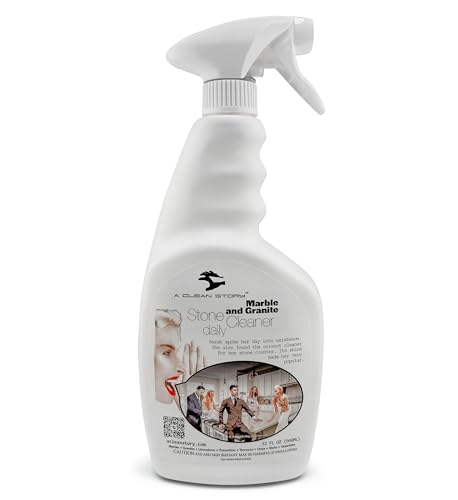
- pH-neutral marble cleaner spray 32 oz for daily cleaning and routine maintenance
- Calcium stain poultice for marble limestone stone for mineral deposits and tough spots
- Microfiber cloths for marble cleaning 12×12 inches for lint-free, non-scratch wiping
- Stone care kit marble cleaner sealer included for cleaning and sealing in one bundle
- Granite marble tile cleaner non-acidic spray 24 oz as a versatile option for mixed stone surfaces


Before You Start
Before cleaning, identify the stone type and finish. Marble, calcite, and many limestones are prone to etching from acidic residues, so avoidance of acidic cleaners (citrus, vinegar, or ammonia-based formulas) is essential. Always test a small, inconspicuous area first to confirm there’s no color change or dulling. Time estimate: 15–30 minutes for routine cleaning, longer if you’re treating stains or resealing. Protect surrounding areas and wear gloves to prevent skin irritation from cleaners.
Step-By-Step: How To Clean White Stone
- Remove surface debris with a dry microfiber cloth to avoid scratching during cleaning.
- Lightly mist a pH-neutral marble cleaner spray 32 oz onto the surface, keeping the spray directed and controlled.
- Wipe in a circular motion with a clean microfiber cloth, applying gentle pressure to lift dirt without abrading the stone.
- For spills, blot promptly with a fresh microfiber cloth rather than wiping, which can spread stains.
- If you notice mineral deposits or white rings, apply a thin paste of the calcium stain poultice for marble limestone stone and cover with plastic wrap. Allow to dwell per package directions, then wipe away and rinse with a damp cloth.
- Rinse the area with a damp cloth and dry with a clean microfiber towel to prevent water spots and streaks.
- For routine maintenance, repeat cleaning weekly or as needed to maintain a bright, consistent finish.
- After cleaning, consider applying a sealer if your stone is porous and recommended by the manufacturer. Use the kit’s sealer as directed for best results.
- Use granite marble tile cleaner non-acidic spray 24 oz on a schedule suitable for high-traffic areas to minimize buildup and extend the time between deep cleanings.
- Inspect high-wear areas (grout lines, edges, and seams) and address any dull spots with reapplication of cleaner and a gentle buff with a microfiber cloth.
- Store cleaning products in a cool, dry place away from direct sunlight and heat sources to preserve their effectiveness.
Troubleshooting
| Symptom | Likely Cause | Fix | Prevention |
|---|---|---|---|
| Streaky finish after cleaning | Residual cleaner or hard water deposits | Wipe with a damp cloth, then dry with a fresh microfiber towel | Use distilled water for final rinse |
| Etching or dull spot | Acidic cleaner contact or acidic spill | Stop using acidic products; repeat with pH-neutral cleaner and consider poultice for spots | Seal porous stones as recommended |
| Stains that won’t lift | Deep-set oils or organic residues | Apply calcium poultice per instructions; use longer dwell time if needed | Clean spills promptly to prevent staining |
| Discoloration after sealing | Improper surface preparation or incompatible sealer | Follow manufacturer’s prep and cure times; re-seal with compatible product | Perform a test area before full application |
Common Mistakes
- Using acidic cleaners on marble or limestone surfaces
- Wetting stone too aggressively or letting standing water linger in seams
- Neglecting to test cleaners on a small area first
- Over-sealing or using the wrong sealer for the stone type
Tips For Best Results
- Dust and wipe daily with a dry microfiber cloth to reduce buildup.
- Always rinse with a clean damp cloth after cleaning and dry immediately.
- Matrix the cleaning routine with the stone care kit marble cleaner sealer included for best protection.
- Work from the center of a surface outward to avoid spreading dirt toward clean areas.
- Keep heat and sunlight away from stone surfaces to reduce color changes over time.
Call A Professional
Seek professional help if stone surfaces show deep etching, persistent stains, or if you plan to install or reseal large areas. Signs to call a pro include irregular dull patches, gouges, or damage near grout lines. Stone professionals have access to specialty products and techniques that minimize risk to the surface.
FAQ
Is it safe to use everyday household cleaners on white stone?
Most household cleaners are not ideal for stone surfaces. Use a pH-neutral marble cleaner spray 32 oz and avoid acidic or abrasive products.
How often should I seal marble or limestone stone?
Sealing frequency depends on porosity and use. Follow the stone care kit instructions and re-seal when the recommended period arrives or when water no longer beads on the surface.
Can I use vinegar or lemon spray on white stone?
No. Vinegar and citrus-based cleaners are acidic and can etch marble and other calcareous stones.
What’s the best method to remove stubborn mineral deposits?
Apply the calcium stain poultice for marble limestone stone as directed, allow proper dwell time, then wipe away with a damp cloth.
Do I need a professional to reseal my stone?
If you’re unsure about the stone type or sealer compatibility, consult a professional for a proper assessment and sealing plan.
Buying Guide
Choosing the right products for white stone cleaning and care involves evaluating several factors. Consider the type of stone (marble, limestone, granite, or quartzite), finish, and porosity. Look for a pH-neutral marble cleaner spray 32 oz for routine maintenance and a compatible sealer if the stone is porous. A granite marble tile cleaner non-acidic spray 24 oz can serve as a versatile option for mixed surfaces. A dedicated calcium stain poultice for marble limestone stone is helpful for mineral deposits, while soft, lint-free microfiber cloths for marble cleaning 12×12 inches protect the stone from scratches. Ensure there is a cohesive kit that includes both cleaner and sealer to simplify care. When comparing products, consider the size of the area to be treated, the level of maintenance you’re comfortable with, and whether a bundled kit saves time and ensures compatibility.
Key factors to compare include:
- Size and coverage of cleaner bottles and poultices
- Non-acidic formulas to protect sensitive stones
- Sealing compatibility and recommended cure times
- Ease of use with microfiber cloths and spray bottles
- Versatility for multiple stone types in the home
Placement considerations: apply cleaners away from heat, avoid drafty areas during sealing, and ensure surfaces are well protected during cure times. For busy kitchens and baths, a combined stone care kit offers practical convenience and consistent results.