Mineral buildup, often from hard water, can affect the efficiency and appearance of kitchen, bathroom, and laundry appliances. This guide provides practical, step-by-step methods using common descalers and cleaners to remove mineral deposits while protecting surfaces.
By following these techniques, homeowners can extend appliance life, improve performance, and reduce energy use associated with scale buildup. The methods below cover kettles, espresso machines, showerheads, dishwashers, and other mineral-laden components.
Quick Answer
Act quickly on light deposits with a simple descaler solution. For stubborn scale, use a targeted cleaner or descaler designed for the specific appliance. Always follow product directions and rinse thoroughly after treatment.
What You’ll Need
- Kettle and coffee maker descaler liquid
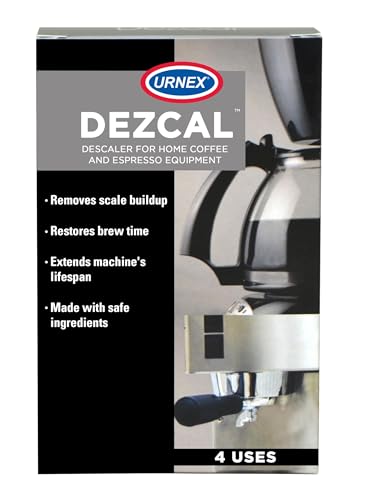
- Descaler tablets for espresso machine
- Shower head limescale remover spray
- Dishwasher limescale remover powder
- Ultrasonic cleaner descaler for mineral deposits


Before You Start
Clear the area and unplug devices before cleaning. For kettles and coffee makers, ensure the appliance is cool and empty. Test any cleaner on a small, inconspicuous area to prevent damage. Wear gloves to protect skin and follow safety guidelines on each product label. Time estimates vary: light scale may take 15–30 minutes, while heavy buildup could require multiple cycles or a soak of several hours.
Critical cautions: avoid mixing vinegar with chlorine cleaners, as this can release harmful gases. Do not use abrasive tools on delicate surfaces like stainless steel coatings. For appliances with sealed parts or warranties, check manufacturer recommendations before using descalers.
Step-By-Step: How To Remove Mineral Build-Up
- Empty and unplug the appliance. Prepare the descaler according to the label, choosing either liquid for kettles and coffee makers or tablets for espresso machines. For kettles, fill with the descaling solution to cover the interior up to the maximum level.
- Run a cleaning cycle in the kettle or coffee maker using the recommended descaling agent. If using tablets, dissolve them fully in hot water and run through the machine as if brewing, then pause to soak stubborn deposits.
- Rinse the interior: after the cycle completes, flush with clean water multiple times to remove all residues. For kettles, boil and discard several batches of clean water.
- For espresso machines, follow the device-specific procedure using descaler tablets, allowing safe contact with internal components. Back-flush if the machine’s design supports it, then rinse thoroughly with fresh water.
- To treat shower heads, spray the limescale remover directly on the affected areas and let it sit for the recommended contact time. Scrub gently with a soft brush to dislodge buildup, then rinse with hot water.
- For dishwashers, sprinkle or dissolve dishwasher limescale remover powder in the detergent compartment or run a dedicated descaling cycle as directed. Run a hot water cycle to flush residues from spray arms and filters.
- Use an ultrasonic cleaner descaler for mineral deposits on smaller parts or removable components. Place the parts in the ultrasonic bath with the descaler solution and follow the device instructions for duration and temperature.
- Inspect treated areas for remaining scale. If necessary, repeat the most applicable step or switch to a stronger formulation designed for heavier buildup, always adhering to safety guidelines.
Troubleshooting
| Symptom | Likely Cause | Fix | Prevention |
|---|---|---|---|
| Machine not heating after descaling | Residues blocked flow paths | Rinse thoroughly, run multiple fresh-water cycles | Regular maintenance every 1–3 months |
| Weak water flow from shower head | Partial clog from mineral deposits | Soak, then scrub with a soft brush | Use a descaling spray periodically |
| White powdery residue after dishwasher cycle | Improper powder concentration | Follow package directions precisely and run a hot rinse | Schedule periodic cleaning cycles |
| Unusual taste after cleaning | Residual cleaner left behind | Run several cycles with plain water | Rinse and air-dry components |
Common Mistakes To Avoid
- Using vinegar on certain metals or sealed components can damage finishes; always check product compatibility.
- Overly concentrated solutions may corrode gaskets or seals; follow label instructions exactly.
- Not flushing thoroughly after treatment can leave tastes or residues; rinse until water runs clear.
- Ignoring heavy buildup; persistent deposits may require professional cleaning or replacement parts.
Tips For Best Results
- Schedule regular descaling; frequency depends on water hardness and appliance use.
- Pre-warm water when using descalers in kettles to improve dissolution efficiency.
- Use a dedicated ultrasonic cleaner for small parts to reach intricate crevices.
- Label and store descaling products away from food areas to avoid cross-contamination.
- After descaling, run multiple fresh-water cycles until the appliance smells neutral.
Call A Professional
Seek professional help if any of the following occur: persistent mineral buildup after multiple cleaning cycles, visible corrosion, leaks near seals, or if the appliance is under warranty and cleaning may affect terms. Stop using the device immediately if unusual noises, burning smells, or overheating are detected.
FAQ
Is mineral buildup harmful to appliances?
Yes, it can reduce efficiency and shorten the appliance’s lifespan if not addressed.
Can I use white vinegar for descaling?
Vinegar can work for some surfaces but may damage others; always verify compatibility with the appliance and cleaner labels.
How often should I descale my dishwasher?
Frequency depends on water hardness; many homeowners descale every 1–3 months or as recommended by the manufacturer.
Should I descale more often if I have hard water?
Yes; hard water accelerates mineral buildup and may require more frequent cleaning cycles.
What signs indicate I need to descale a shower head?
Frequent clogs, reduced water pressure, and visible white crust indicate descaling is needed.
Can descalers damage stainless steel?
Most descalers are formulated to be safe on stainless steel when used as directed; avoid prolonged contact and always rinse.
What about mineral buildup on coffee machines?
Espresso machines benefit from regular descaling to preserve flavor and pumping efficiency.
Are descaler tablets or liquids better?
Both are effective; choose based on appliance compatibility and convenience for your routine.
Buying Guide
When choosing descalers and related products, consider the following factors to optimize results:
- Size and coverage: Select formats suitable for your appliance volumes and the number of devices you maintain.
- Targeted formulations: Use descaler liquids for kettles and coffee makers, tablets for espresso machines, sprays for shower heads, and powders for dishwashers where appropriate.
- Cleaning power vs. safety: Balance effective mineral removal with material compatibility to avoid damage.
- Ease of use: Prefer products with clear instructions and minimal steps for routine maintenance.
- Energy efficiency impact: Regular descaling helps appliances operate at peak efficiency, potentially reducing energy usage.
- Placement and storage: Store away from heat and food areas; keep out of reach of children and pets.
- Warranty considerations: Check whether cleaning cycles affect warranties; follow manufacturer recommendations.
Whether maintaining a kettle, espresso machine, shower head, or dishwasher, choosing the right descaler and following a consistent cleaning schedule can prevent heavy mineral build-up and keep appliances running smoothly. If in doubt, consult the product guidelines or a professional for tailored advice.