Sliding door screens play a crucial role in keeping dirt out while letting fresh air in. Regular cleaning helps prevent buildup, maintain visibility, and extend the life of the screen frame and weave. This guide covers practical methods using common tools and materials to keep sliding door screens looking like new.
Whether you’re dealing with dusty porch screens or pet hair and pollen on a patio door, a simple routine can yield noticeable results. The approach below emphasizes gentle brushing, thorough rinsing, and dry care to prevent rust or fiber damage. Follow these steps for dependable, long-lasting results.
Quick Answer
Best method in a pinch: Use a soft bristle brush or a sliding door screen cleaning brush with a mild soap solution, rinse with a garden hose nozzle gentle spray, and finish with a microfiber cloth to wipe the frame. For stubborn buildup, extend reach with a telescoping screen cleaning wand.
What You’ll Need
- Soft bristle brush for window screens
- Sliding door screen cleaning brush
- Telescoping screen cleaning wand
- Microfiber screen cleaning cloths
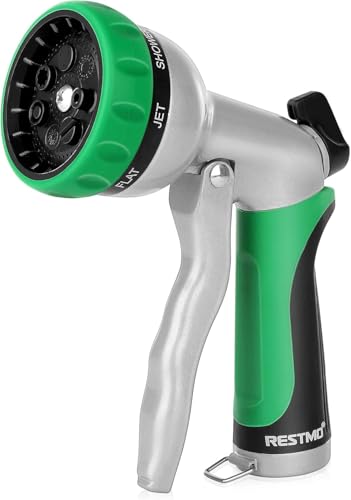
- Garden hose nozzle gentle spray
- Light dish soap or mild detergent
- Bucket with warm water
- Magnetic screen repair kit (optional for minor rips)


Before You Start
Prepare the work area by removing furniture or placing the screen in a clear space. Lightly vacuum or shake the screen to dislodge loose debris. Protect door seals and frames from excess moisture to prevent warping or rust. Test a small, inconspicuous area of the screen first if you’re unsure about the fabric’s cleaning tolerance. Plan for a total cleanup time of 15–30 minutes per screen, depending on size and buildup.
Step-By-Step: How To Clean Sliding Door Screens
- Detach the screen from the door frame if possible, or place a towel under the area to catch drips.
- Use a soft bristle brush for window screens to remove surface dust, cobwebs, and pet hair from both sides.
- Mix a mild cleaning solution in a bucket: a few drops of dish soap with warm water.
- Dip the brush or sliding door screen cleaning brush into the soapy water and gently scrub the screen fabric in short, even strokes.
- Rinse the screen with a garden hose nozzle gentle spray, keeping water pressure low to avoid pushing dirt through the mesh.
- For stubborn stains, extend reach with a telescoping screen cleaning wand and scrub from the opposite side to loosen grime.
- Wipe the frame with a microfiber cloth to remove any residual soap and moisture.
- Shake off excess water and allow the screen to air-dry completely before reassembling.
- Inspect for holes or tears; use a repair kit if needed, and ensure the mesh is fully dry before reinstalling.
- Reattach the screen and run a quick test by opening and closing the door to confirm smooth operation.
- Optionally repeat the process every few months or after severe storms, seasonal pollen, or heavy dust days.
Troubleshooting
| Symptom | Likely Cause | Fix | Prevention |
|---|---|---|---|
| Holes or tears in screen | Wear and tear from pets or rough handling | Repair with a kit or replace screen | Handle screens with care; trim pet nails; store away from direct sun |
| Streaks after cleaning | Soap residue or improper rinsing | Rinse thoroughly, then wipe with microfiber | Rinse from top to bottom, avoid leaving soap film |
| Mesh sagging or loose | Frame warping or improper reattachment | Reinstall with tension evenly along edges | Clean when dry; avoid bending frame excessively |
| Stubborn grime near corners | Built-up dust in crevices | Use telescoping wand for deep cleaning | Clean regularly to prevent deep buildup |
Common Mistakes
- Using high-pressure water that pushes dirt into the mesh
- Using harsh chemicals that weaken or discolor the screen
- Cleaning when the screen is wet and reassembling immediately
- Neglecting to dry the frame, which can cause corrosion or mold
- Forgetting to inspect for tears during routine cleaning
Tips For Best Results
- Schedule cleaning at a mild time of day to prevent fast drying that can trap soap streaks.
- Use microfiber cloths to lift dust without leaving lint on the mesh.
- Start from the top and work downward to avoid recontaminating cleaned areas.
- When possible, remove the screen and clean on a flat, clean surface to prevent bending the frame.
- Keep a spare microfiber screen cleaning cloth for hard-to-reach areas.
Call A Professional
Experts should be consulted if screens have extensive damage, large holes, or if the frame shows signs of corrosion or warping after cleaning. Stop and contact a professional if the screen cannot be safely removed or reattached, or if there is water damage behind the frame. For rental properties or custom frames, pro assistance can prevent voiding warranties.
FAQ
How often should I clean sliding door screens?
Most homes benefit from a thorough cleaning every 3–6 months, with more frequent cleaning in dusty or pollen-heavy seasons.
Can I use vinegar or bleach on screens?
Avoid harsh cleaners; stick to mild soap and water to prevent fabric damage and frame corrosion.
What if the screen has a tear?
Small tears can be repaired with a patch kit; larger damages may require screen replacement.
Is it okay to clean screens with a power washer?
Power washers can damage the mesh and frame. Use a soft brush and gentle spray instead.
Should I remove the screen from the door to clean it?
Removing the screen often yields the best results and reduces risk of splashing water into the door track.
What is the best way to dry a cleaned screen?
Let it air-dry completely in a shaded area before reinstalling to prevent moisture buildup.
Buying Guide
Choosing the right cleaning approach for sliding door screens involves considering screen material, frame type, and cleaning tools. The goal is efficient, safe cleaning that preserves mesh integrity and door operation.
Key Buying Factors
- <bSize and fit: Ensure replacement screens match door dimensions and frame depth.
- <bNoise level and ease of use when removing and reinstalling screens, especially for high-traffic doors.
- <bEnergy efficiency impacts only when screens contribute to shade or airflow; focus on keeping weatherstrips intact.
- <bControls and hardware: Look for simple latches and frames that resist rust and maintain tension over time.
- <bPlacement: Indoor vs. outdoor exposure affects cleaning frequency and material durability; outdoor screens may require more frequent cleaning.
How to Compare Tools
- <bSlIDing door screen cleaning brush versus soft bristle brush: Choose a brush with dense bristles and a comfortable grip.
- <bTelescoping screen cleaning wand for hard-to-reach areas helps extend your reach without ladders.
- <bMicrofiber screen cleaning cloths for lint-free drying and streak-free results.
- <bGarden hose nozzle gentle spray reduces risk of mesh damage while rinsing.