Lime scale builds up on taps, kettles, toilets, and coffee machines as mineral-rich water leaves deposits over time. Proper removal improves performance, prolongs lifespan, and keeps surfaces looking clean. This guide walks American homeowners through practical, safe methods to tackle lime scale using common descalers and gels designed for residential use.
Quick Answer
For most household lime scale, start with a targeted descaler designed for the affected surface—cups, kettles, toilets, or taps. Apply, let it work, scrub lightly, then rinse thoroughly. For heavy buildup, repeat, or use a stronger plunge from a specialized gel or tablet set. Always follow product instructions and wear gloves.
What You’ll Need
- kettle descaler powder 500g
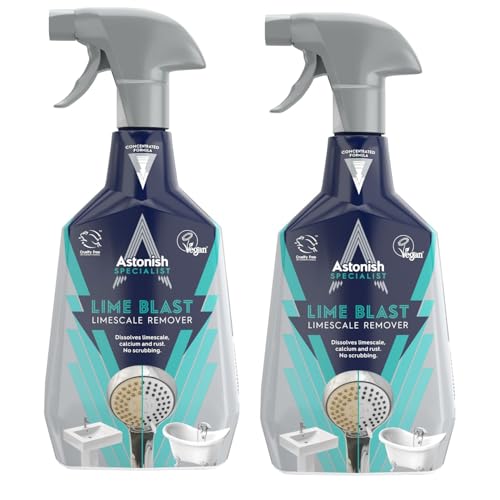
- bathroom limescale remover spray 750ml
- coffee machine descaler tablets 12-pack
- toilet descaler gel calcium remover 750ml
- plumbing limescale remover gel for taps 500ml


Before You Start
Inspect surfaces for wear or damaged finishes. Remove fragile items from the work area and ensure good ventilation. Read all product labels for safety warnings and dilution requirements. Test a small inconspicuous area first to prevent discoloration. Time estimates vary: light buildup may take 15–30 minutes, while heavy deposits can require several applications across a few hours. Wear gloves and eye protection when handling descalers.
Step-By-Step: How To Remove Lime Scale
- Identify the affected surface: kettle interior, shower head, toilet bowl rim, faucet aerator, or coffee machine reservoir.
- Prepare the solution: if using descaler powder, dissolve according to the package in warm water; for gels or sprays, apply directly as directed.
- Apply the product: coat the lime scale area completely. Use a sponge or soft brush for stubborn deposits.
- Let it dwell: allow the product to sit for the recommended time to break down minerals. Do not let it dry on vertical surfaces.
- Gently scrub away: use non-abrasive pads or brushes to lift deposits without scratching surfaces.
- Rinse thoroughly: rinse with plenty of clean water until no residues remain. Run hot water through kettles or coffee machines to verify no lingering taste or odor.
- Repeat for stubborn areas: reapply the product, dwell, scrub, and rinse as needed.
- Inspect for completeness: ensure glassy, shiny surfaces and clear water flow. If mineral films persist, consider a second cycle with a different product type (gel for taps or toilet).
- Discharge and dry: wipe dry with a clean cloth to prevent new deposits from re-forming in damp corners.
- Maintenance plan: schedule periodic light cleaning to prevent buildup, especially in hard-water areas.
- Store products safely: keep out of reach of children and pets and seal containers tightly after use.
- Dispose of empty containers according to local guidelines to minimize environmental impact.
Troubleshooting
| Symptom | Likely Cause | Fix | Prevention |
|---|---|---|---|
| Scale returns quickly after cleaning | Regular mineral deposits in hard water | Switch to a maintenance spray or gel and reapply monthly | Install a water softener or use filtered water for kettles and coffee machines |
| Discoloration after use | Surface sensitivity or over-diluted product | Rinse thoroughly and re-test on a small area with reduced contact time | Follow label directions precisely |
| Stubborn buildup in toilet bowls | Deposits under rim or on tainted surfaces | Apply toilet descaler gel and allow a longer dwell time; scrub with a toilet brush | Maintain monthly cleaning routine |
| Smell or taste after cleaning | Residual chemical on kettle or coffee equipment | Thorough rinsing and multiple water cycles before use | Water rinse until neutral taste |
Common Mistakes
- Using abrasive pads on delicate finishes, causing scratches.
- Applying descalers to surfaces not rated for chemical cleaners.
- Mixing different descalers or spraying near heat sources.
- Rushing rinsing, leaving chemical residues that can turn appliances off or off-taste.
Tips For Best Results
- Choose a product matched to the surface: a spray for showers, a gel for taps, and tablets for coffee machines or kettles.
- Always read dwell times and use hot water where advised to speed mineral breakdown.
- Work from top to bottom to prevent dripping onto cleaned areas.
- Use a soft brush for stubborn edges, avoiding metal scrapers that may scratch.
- Consider a routine preventive clean every few weeks in hard-water regions.
Call A Professional
Seek professional help if lime scale covers delicate enamel, corrodes metal surfaces, or if there is persistent mineral buildup behind fixtures. Stop work and contact a licensed plumber or appliance technician if you notice significant leaks, damaged seals, or disinfectant needs beyond home cleaning capabilities.
FAQ
What is lime scale and why does it form?
Lime scale is mineral buildup, primarily calcium and magnesium, left behind by hard water as it evaporates.
Can I use any descaler on all surfaces?
Products vary; always check the label and test on a small area before full application.
How often should I clean lime scale in a kettle?
Light cleaning every few weeks helps prevent heavy buildup; deeper cleans can be every few months depending on water hardness.
Is it safe to use descalers on coffee machines?
Yes, but use tab-based or machine-specific descalers and follow the manufacturer’s instructions to avoid damaging components.
Will lime scale cleaning affect water taste?
Residual chemicals can affect taste if not rinsed properly; run multiple cycles with fresh water after cleaning.
Buying Guide
When choosing lime scale products, consider surface compatibility, cleaning strength, and maintenance needs. For kettles and coffee machines, descaler tablets designed for appliances offer convenient dosing and predictable results. For bathroom fixtures, sprays and gels provide quick, targeted cleaning. If you have multiple hard-water surfaces, a combination approach with a universal limescale remover gel for taps, along with appliance-specific tablets, can simplify maintenance.
Key Buying Factors To Compare
- Size and packaging: Choose a size that matches the cleaning frequency of each area to avoid frequent purchases.
- Surface compatibility: Verify that the product lists kettles, taps, toilets, and appliances if you intend to treat several surfaces.
- Fer hygiene considerations: Look for low-odor formulas and easy rinse-off properties for kitchen and bathroom use.
- Ease of use: Tabs for machines, sprays for surfaces, and gels for tight corners offer different convenience levels.
- Energy and water impact: Choose products that minimize rinse water and avoid aggressive chemical reactions that require extra rinsing.
- Placement and storage: Store upright in a cool, dry location away from children and pets; keep products clearly labeled.
Having the right combination of descalers helps maintain home hygiene and equipment efficiency. With thoughtful selection and routine care, lime scale buildup becomes manageable rather than overwhelming. Would you like a quick, surface-by-surface checklist to match your household needs?