Fabric bugs, including clothes moths and carpet beetles, can quietly damage closets, linens, and upholstered furniture. This guide provides practical, experience-tested methods to identify, trap, and eliminate fabric pests in American homes using accessible tools and safe practices.
Quick Answer
Act quickly at the first sign of damage or larvae sightings. Use a combination of traps, cleaning, and targeted treatments. For ongoing control, regular vacuuming, storage in sealed containers, and monitoring with pheromone traps work best.
What You’ll Need
- Clothes moth pheromone trap kit
- Carpet beetle pheromone trap
- HEPA vacuum for fabric pests
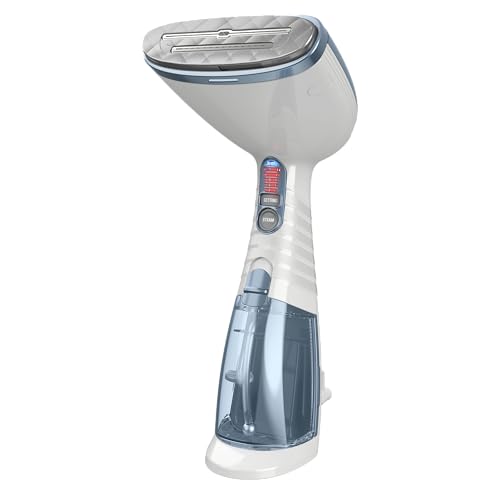
- Garment steamer for killing fabric pests
- Portable clothes moth trap with pheromone refill


Before You Start
Prepare a clean, well-lit area to inspect and treat infested fabrics. Remove any affected items from closets or drawers and place them in sealed plastic bags during treatment. Wear a mask and gloves when handling infested materials to reduce inhalation of dust and larvae. Time estimates vary by scope: a small closet can take 1–2 hours; a larger wardrobe or storage area may require a half-day with follow-up checks.
Step-By-Step: How To Get Rid Of Fabric Bugs
- Inspect thoroughly: Check all fabrics, particularly natural fibers like wool, cotton, silk, and feathers. Look for webbing, cocoons, larvae, and tiny moths in corners, seams, and storage boxes.
- Isolate affected items: Place suspected pieces in sealed bags to prevent spread during treatment.
- Deploy pheromone traps: Set up the clothes moth pheromone trap kit and place the portable clothes moth trap with pheromone refill near infested areas, following label directions for placement and duration.
- Deep clean with a HEPA vacuum: Use the HEPA vacuum for fabric pests on all suspect fabrics, shelves, drawers, and around storage boxes. Empty the bag or canister outside immediately after vacuuming.
- Treat with a garment steamer: For fabrics that tolerate heat, use the garment steamer for killing fabric pests to reach larvae in seams and folds. Allow fabrics to dry completely before returning to storage.
- rotate and refresh traps: Refill pheromone traps as needed and relocate to new hotspot areas to intercept mating moths and beetles.
- Vacuum again and launder: Wash or dry-clean washable items on high heat where possible. For non-washables, use steam or sunlight exposure to disrupt life cycles.
- Seal and store properly: After treatment, store fabrics in airtight containers or sealed bags with desiccants to reduce future infestations.
- Monitor periodically: Check traps every 1–2 weeks and re-treat any new hotspots promptly to stop re-infestation.
- Document progress: Keep a simple log of treated items and trap placements to track effectiveness over time.
- Repeat as needed: Fabric pests can be stubborn; expect a multi-week to multi-month process, especially in untreated storage spaces.
- Review household items: Inspect nearby textiles (rugs, curtains, upholstered furniture) for unnoticed signs to prevent spread to other rooms.
Troubleshooting
| Symptom | Likely Cause | Fix | Prevention |
|---|---|---|---|
| Active moths fluttering near traps | Continued mating activity; untreated nearby fabrics | Extend trap coverage; inspect adjacent storage areas | Regular inspection and ongoing trap use |
| No visible pests but damage persists | Hidden larvae within seams or folds | Use garment steamer on suspected fabrics; launder and vacuum thoroughly | Schedule seasonal deep clean and trap checks |
| Musty odor around storage | Accumulated dead pests or moisture | Ventilate area; re-vacuum and replace desiccants | Climate control and humidity management |
| Clothes becoming damaged after treatment | Heat or chemical exposure to delicate fabrics | Limit heat to safe fabrics; spot-test steamers | Identify fabric tolerance before treatment |
Common Mistakes
- Relying on a single method; fabric pests require a multi-pronged approach
- Ignoring storage areas like linen closets and under-bed boxes
- Using traps without proper placement or maintenance
- Overlooking non-fabric sources such as pet bedding or upholstered items
Regular repetition of inspections and treatments helps prevent re-infestation. Balancing cleaning, trapping, and fabric care yields the best long-term results.
Tips For Best Results
- Use pheromone traps as early as possible to curb population growth
- Vacuum with the wand in seams, hems, and corners where larvae hide
- Steam or dry-clean delicate fabrics that cannot withstand washing
- Store off-season garments in sealed containers with silica gel packs
- Label storage zones and rotate traps monthly to cover all spaces
Call A Professional
Consider a professional if the infestation is widespread, spans multiple rooms, or reappears after two treatment cycles. Stop signs include extensive damage to furniture, persistent larvae despite basic control, and signs of mold or moisture in storage areas. A pest-control pro can assess for secondary pests and advise on integrated containment strategies beyond consumer products.
FAQ
What fabrics are most at risk for fabric bugs?
Natural fibers such as wool, silk, cashmere, and stored cotton are particularly attractive to clothes moths and carpet beetles.
Do pheromone traps prevent holes in fabrics?
Traps help monitor and reduce mating, but they are most effective when combined with cleaning and storage measures.
Can I use a regular vacuum to replace the HEPA model?
A HEPA vacuum reduces fine dust and eggs more effectively, but any powerful vacuum with a clean bag can help; ensure you empty outside promptly.
How long does it typically take to see results?
Initial signs can appear within days, but full control often requires several weeks to months, depending on infestation severity.
Are fabric pests a health risk?
Generally, they do not pose direct health hazards, but their presence indicates conditions favorable to pests and dust buildup, which can affect indoor air quality.
Buying Guide
Choosing the right tools for fabric pest control involves assessing size of the space, the severity of infestation, and fabric types. Consider these factors to optimize results.
- Size and layout: Larger spaces benefit from multiple pheromone traps and targeted vacuuming; compact setups may suffice with portable traps and a quality handheld vacuum.
- Noise level and ease of use: Look for quiet traps and easy-to-change refills to maintain routine use without disruption.
- Energy efficiency: Choose efficient vacuums and low-wattage steamers to minimize energy consumption during frequent use.
- Controls and maintenance: Simple controls, clear labels, and visible maintenance indicators help sustain an ongoing program.
- Placement: Place traps near suspected hotspots (closets, under beds, near fabric storage) and away from direct sunlight or heat sources that may degrade pheromones.
- Compatibility with fabrics: Ensure steamers and cleaning methods are safe for delicate materials in your home.
- Storage considerations: Use airtight containers and desiccants for seasonal gear to minimize future risk.
By balancing trap deployment, thorough cleaning, and proper storage, households can reduce fabric pests effectively. If in doubt, start with a basic setup and gradually expand as you monitor results.