Lime scale buildup is a common household challenge in hard water areas. This guide explains practical, safe methods to remove the residue from bathrooms, kettles, toilets, pipes, and tubs, using common descalers and natural tools. Readers will learn recommended products, step-by-step procedures, and tips to prevent future buildup.
Quick Answer
Use a lime scale descaler or descaling gel for bathroom surfaces, kettles, and toilets. For heavy mineral deposits, combine a remover gel with a pumice stone or dedicated scraper. Regular maintenance with a descaler and a soft brush helps keep surfaces clear and prevents corrosion.
What You’ll Need
- calcium lime scale remover gel bathroom descaler
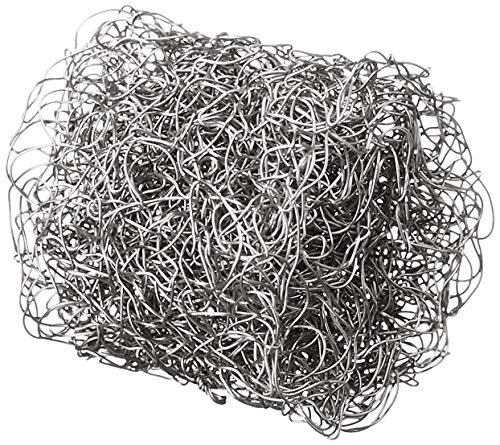
- kettle lime scale descaler tool
- toilet lime scale brush scraper kit
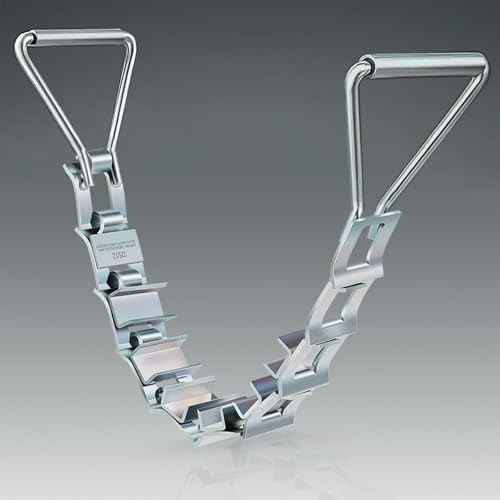
- pipe lime scale descaler plumber tool
- pumice stone lime scale remover bathroom tub

Before You Start
Preparation helps ensure safety and effectiveness. Clear the area, remove standing water, and ventilate the space. Test a small, inconspicuous patch first to avoid surface damage. Read product labels for material compatibility and recommended dwell times. Wear gloves and eye protection when handling descalers. Plan time for each area: typically 15–30 minutes per site, plus rinse time.
Step-By-Step: How To Remove Lime Scale Buildup
- Identify affected areas: faucets, shower tiles, toilet rims, kettle spouts, pipes, and tub surfaces.
- Apply calcium lime scale remover gel bathroom descaler to a microfiber cloth or directly to the mineral deposits in a small area.
- Let the gel dwell according to the product label, typically 5–15 minutes, to soften mineral buildup.
- Scrub with a non-abrasive sponge or soft-bristle brush to lift scale from flat surfaces and corners.
- For kettles, fill with a descaler solution and heat or simmer per instructions, then rinse thoroughly to avoid taste transfer.
- Use a pumice stone lime scale remover bathroom tub where mineral buildup is stubborn, gently moving in one direction to prevent scratching.
- Clean toilet rims and bowls with a toilet lime scale brush scraper kit, focusing on mineral lines and under rims.
- Rinse all treated surfaces with clean water and wipe dry to prevent new deposits from forming.
- Inspect for remaining patches; reapply descaler to persistent areas and repeat the process as needed.
- For pipes, apply a pipe lime scale descaler plumber tool to accessible sections following safety guidelines and flush after treatment.
- Carry out a final rinse of all areas with cold water to remove any residue, then wipe dry for a polished finish.
- Document areas treated and schedule regular maintenance to prevent recurrence.
Troubleshooting
| Symptom | Likely Cause | Fix | Prevention |
|---|---|---|---|
| Discoloration after descaling | Surface reaction with stone or metal | Rinse thoroughly and retry with milder product | Test in hidden area first |
| Scale remains in tight corners | Deposits in hard-to-reach spots | Apply gel with a brush or use a pipe descaler tool | Clean regularly to prevent buildup |
| Ringing or odor after kettle descaling | Residue or over-concentration | Rinse kettle multiple times with fresh water | Follow dwell times and rinse protocol |
| Surface dullness after cleaning | Abrasion from scrubbing | Switch to non-abrasive pads | Avoid harsh tools on delicate finishes |
Common Mistakes
- Overlapping treatments with incompatible products
- Using abrasive tools on polished surfaces
- Not following dwell times, leading to incomplete removal
- Neglecting to rinse thoroughly, leaving chemical residues
- Ignoring hard-to-reach spots, which refill with new buildup
Tips For Best Results
- Choose a descaler compatible with the material being treated (ceramic, metal, plastic).
- Work in small, manageable areas to monitor effectiveness and protect surfaces.
- For heavy scaling on kettles, consider a dedicated kettle descaler tool to avoid thermal stress.
- Regular maintenance reduces the frequency of heavy descaling sessions.
- Keep a separate brush for bathrooms and kitchens to prevent cross-contamination.
Call A Professional
Seek professional help if lime scale has penetrated metal surfaces, caused visible corrosion, or if plumbing pipes show persistent blockages. If the scale is widespread across an entire home’s plumbing, a licensed plumber should inspect for underlying water quality issues and potential pipe damage. Do not attempt aggressive chemical treatments in sealed plumbing systems without guidance.
FAQ
What is lime scale and why does it form?
Lime scale is mineral buildup from hard water, primarily calcium and magnesium, that deposits on surfaces and in pipes over time.
Can lime scale removal products damage my surfaces?
Most products are formulated to be safe on common bathroom surfaces when used as directed; always test a small area first.
How often should I descale kitchen kettles and toilets?
Hard-water areas may require monthly to quarterly maintenance for kettles and toilets, depending on usage and mineral content.
Is pumice stone safe for bathrooms?
Yes, on non-porous surfaces; avoid ceramic glaze with high gloss or delicate finishes to prevent scratching.
Do descalers work on stainless steel pipes?
Descalers can be effective on stainless steel, but follow product guidelines and consult a professional for extensive pipe buildup.
Will descaling affect seals or gaskets?
Some chemicals can degrade rubber or plastic seals over time; use products approved for plumbing components and rinse well.
Buying Guide
When choosing lime scale removal products, consider size of area, severity of buildup, and surface type. Key factors include:
- Size and scope: Light buildup on taps vs. heavy deposits in kettles or pipes may require different product formats (gel vs. powder, manual vs. tool-assisted).
- Noise level: Some descalers and tools operate quietly; select options suitable for bathrooms and kitchens without loud vibrations.
- Energy efficiency: For kettle descaling, choose low-energy methods; avoid prolonged heating if not required by the product.
- Controls and dwell time: Look for clear instructions, visible safety warnings, and adjustable dwell times for different surfaces.
- Placement and storage: Store descalers away from children and pets; keep tools in a dedicated cabinet or toolbox for easy access.
Why mix and match products when a coordinated approach works best? A combination of a calcium lime scale remover gel bathroom descaler for flat surfaces and a pumice stone for stubborn tub deposits often yields the best results. If awkward plumbing lines or extensive buildup exist, professional assessment is prudent.