Ink stains can be stubborn, but with the right approach and supplies, most fabrics can be restored. This guide outlines practical methods using common inks and a selection of targeted products to help American households achieve clean results with confidence.
Quick Answer
Act quickly when you notice an ink stain. Blot gently, avoid rubbing, and start with water-based methods if possible. For tougher stains, switch to solvent-based removers or dedicated stain kits following the product instructions. Always test any solution on an inconspicuous area first to prevent fabric damage.
What You’ll Need
- ink stain remover pen for fabric
- melamine sponge magic eraser for ink stains
- microfiber cleaning cloth for ink stain removal
- alcohol-based ink stain remover spray
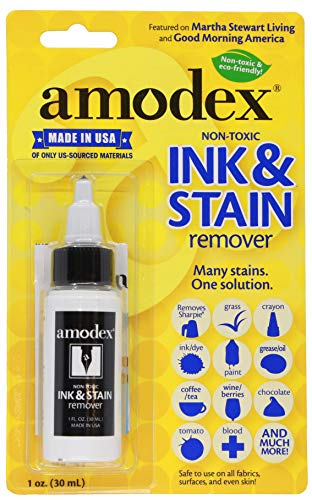
- fabric stain removal kit with pen brush


Before You Start
Identify the fabric type and check care labels before starting. Always test any cleaner on a hidden area first to confirm colorfastness. For delicate textiles, avoid harsh solvents and opt for milder methods. Keep cleaning solutions out of reach of children and pets, and work in a well-ventilated area. Time estimate: 15–45 minutes for most common stains, with repeat applications if needed. Crucial cautions: never apply heat to a wet ink stain, as it can set the pigment permanently.
Step-By-Step: How To Remove Ink Stains
- Blot excess ink with a clean, dry cloth without rubbing to prevent spreading.
- Rinse from the stain’s edge toward the center with cold water to dilute the ink.
- Apply ink stain remover pen for fabric or spray a small amount of alcohol-based ink stain remover spray to the affected area. Let it sit for 5–10 minutes.
- Gently blot with a microfiber cleaning cloth for ink stain removal to lift the stain; avoid scrubbing hard.
- For stubborn marks, use a fabric stain removal kit with pen brush following the kit instructions, focusing on the stained area.
- Rinse again with cold water and air dry. Check if the stain persists before applying heat.
- If any trace remains, repeat the cleaning steps or switch to the melamine sponge magic eraser for ink stains with light, circular motions on sturdy fabrics.
- For upholstery, blot with a damp cloth and consider a light wash on removable covers if safe per care label.
- Dry completely in a well-ventilated space to prevent mildew and odor formation.
- Repeat the process for additional layers of ink until the stain fades or disappears.
- Inspect under bright light. If the stain is still visible, consider professional cleaning guidance.
- Document the method used so future spills can be treated quickly and effectively.
Troubleshooting
| Symptom | Likely Cause | Fix | Prevention |
|---|---|---|---|
| Stain spreads after washing | Rushed treatment or heat exposure | Re-treat with cold water rinse and gentle cleaners | Address promptly; avoid hot water until stain is removed |
| Stain remains after multiple attempts | Stain set into fabric | Try a stronger solvent as per label or consider professional cleaning | Test small area first; follow care label instructions |
| Color bleeding or fabric damage | Harsh solvent or abrasive rubbing | Stop solvent use and switch to milder methods | Always test on hidden area |
| Odor after cleaning | Residual solvent or damp fabric | Air dry thoroughly; run a light wash if safe | Ventilate area during cleaning |
Common Mistakes
- Rubbing ink aggressively, which spreads the stain and damages fibers.
- Using hot water or heat before confirming stain removal.
- Skimping on testing cleaners on unseen fabric sections.
- Over-saturating delicate fabrics with solvents that may cause color loss.
Tips For Best Results
- Always work from the outside edge toward the center of the stain to prevent widening.
- Choose a cleaner compatible with the fabric type and colorfastness.
- For persistent inks like gel pens, multiple gentle applications often beat one aggressive treatment.
- Keep stain-removal products organized and labelled to avoid cross-contamination.
- When in doubt, conduct a spot test on a hidden seam or hem.
Call A Professional
Consider professional cleaning if the fabric is valuable, delicate, or labeled dry-clean only. Stop before aggressive solvent use if the material shows discoloration, shrinking, or texture changes. If the stain covers a large area or the item is upholstered furniture, seek professional assistance to minimize damage and color transfer.
FAQ
Can ink stains be removed from all fabrics?
Most cottons and synthetics respond well to stain removers, but delicate fabrics or silk may require specialized care.
Is alcohol-based remover safe on colored fabrics?
Test on a hidden area first; some dyes can react and fade or bleed.
How long should cleaners sit on ink stains?
Follow product guidelines; typically 5–15 minutes is enough for most solutions.
What if ink stain is already dried?
Rehydrate the area with a little cold water and reapply stain-removal products; patience and repetition may be necessary.
Buying Guide
When selecting ink stain removal tools and kits, consider size, compatibility with fabrics, and ease of use. Look for multi-ink compatibility, quick-drying formulas, and safe labeling for home use. A practical kit with multiple tools (pen, sponge, brush, cloth) offers flexibility for different fabrics and stain types. Consider how often ink stains occur in your household to choose a solution that remains effective after repeated use. Do you primarily treat clothing, upholstery, or both? A balanced set helps cover most situations.
Size and portability matter for quick spot treatment. A compact pen or spray is ideal for on-the-go stains, while larger kits suit home cleaning.
Noise Level and operation ease are relevant for spray bottles and electric cleaners used around kids and pets in busy homes. Choose non-messy, easy-to-apply formats with clear instructions.
Energy Efficiency is usually not a direct concern for stain removers, but choosing long-lasting, refillable options can reduce waste and consumption over time.
Controls and usability matter: look for simple spray tops or brush applicators with precise control to avoid over-application or fabric oversaturation.
Placement Consider where you’ll store the kit. A cabinet near laundry, or a bedside shelf for on-the-spot treatment, can keep tools accessible and organized.