Laminate floors are popular for their durability and low maintenance, but improper cleaning can leave a dull film or sticky residue. This guide explains practical, film-free cleaning methods that work with common tools and products designed for laminate surfaces in American homes.
By following a careful routine and choosing the right mop and cleaner, homeowners can restore shine while protecting the floor’s beveled edges and protective finish. The steps below emphasize residue-free techniques and safe products to keep laminate floors looking their best.
Quick Answer
Use a microfiber mop with a gentle, laminate-safe cleaner and avoid soaking the floor. Work in small sections, rinse or wipe away any excess liquid, and finish with a dry microfiber pass to prevent streaks. For best results, use products specifically labeled for laminate floors and avoid household cleaners that leave film.
What You’ll Need
The following tools and supplies are recommended to achieve a clean, film-free laminate floor finish.
- Microfiber mop for laminate floors no residue
- Laminate floor cleaner spray bottle 32 oz safe for laminate
- Flat mop head microfiber 12 inch for laminate floors
- Laminate floor mop with washable microfiber pads
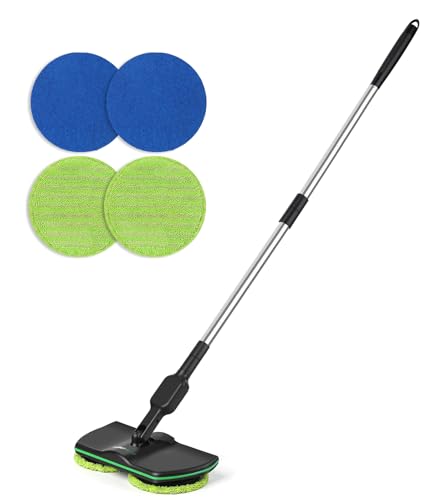
- Electric spin mop for laminate floors safe residue-free


Before You Start
Before cleaning, sweep or vacuum to remove dust and grit that can scratch the surface. Use a damp—not wet—mop approach to avoid water seeping into seams. Test any cleaner in an inconspicuous area first to ensure no dulling or residue appears. Time estimate: 20–40 minutes for a typical room. Never soak the floor or use steam on laminate surfaces, as excess moisture can cause warping.
Proper technique matters: use a clean microfiber pad or mop head and avoid abrasive scrubbers. Maintain a consistent, light pressure and keep the mop moving to prevent moisture buildup in seams.
Step-By-Step: How To Clean Laminate Floors Without Leaving A Film
- Prepare the floor by sweeping or vacuuming to remove loose debris and nails or grit that could cause scratches.
- Fill the cleaning bottle with the recommended laminate-safe cleaner or apply a ready-to-use laminate floor cleaner spray bottle as directed.
- Attach a microfiber mop for laminate floors no residue or use a flat mop head microfiber 12 inch for laminate floors to cover a wide surface area efficiently.
- Lightly mist the cleaner onto the floor or onto the mop itself. Avoid saturating the floor; a damp mop is sufficient.
- Work in small sections, moving in the direction of the wood grain or along planks to reduce streaks and ensure even coverage.
- Wipe off excess moisture promptly with a clean, dry microfiber pad to prevent film formation and water damage.
- Rinse the mop pad frequently to avoid re-depositing dirty solution onto the floor.
- Finish with a dry pass or a very light, final wipe using an electric spin mop for laminate floors safe residue-free if it is designed for laminate surfaces.
Troubleshooting
| Symptom | Likely Cause | Fix | Prevention |
|---|---|---|---|
| Cloudy or streaky finish | Excess cleaner or damp mop | Wipe with a dry microfiber pad; use less liquid next time | Use minimal spray and maintain a damp-mop technique |
| Sticky residue after cleaning | Residue from cleaner or soap-based products | Switch to a laminate-specific cleaner; avoid soap-based products | Rinse method with clean water on a separate pass, then dry |
| Warping or buckling after cleaning | Excess moisture absorbed into seams | Ensure mop is nearly dry; allow air-drying between passes | Do not spray cleaners directly onto the floor; apply to mop |
| Scratches appearing after cleaning | Dirty mop pad or abrasive pad | Use a clean microfiber pad; replace worn pads | Regularly wash pads and inspect for wear |
Common Mistakes
- Using too much water or soaking the floor.
- Using generic cleaners not labeled for laminate floors.
- Wiping with abrasive pads or dirty mop heads.
- Skipping the drying step and leaving the floor slightly damp.
Following the guidance helps minimize dulling and residue, preserving the laminate’s shine and protective layer.
Tips For Best Results
- Clean regularly with a microfiber mop to prevent dirt buildup that can cause streaks.
- Choose a cleaner formulated for laminate floors and avoid ammonia-based products.
- Rotate mop pads to keep coverage clean and consistent.
- Work in a well-lit area to spot and correct streaks early.
- Store cleaning tools in a cool, dry place to maintain pad integrity.
Call A Professional
Consider professional help if laminate floors show persistent swelling, cupping, or water-induced damage that does not resolve with standard cleaning. Signs that require a pro include noticeable warping, gaps between planks, or frequent, severe staining that cleaning cannot fix.
FAQ
Can I use a regular mop on laminate floors?
A microfiber or flat mop designed for laminate floors is recommended to avoid residue and streaks.
Is steam cleaning safe for laminate floors?
No. Steam can cause moisture damage and warp laminate over time.
What should I do if I notice a film after cleaning?
Switch to a laminate-specific cleaner, use a damp mop with minimal liquid, and finish with a dry pass.
How often should I deep-clean laminate floors?
Deep-clean as needed, typically every few weeks to monthly, depending on traffic and pets, while maintaining routine light cleaning in between.
Buying Guide
When choosing cleaning tools and products for laminate floors, consider size, noise, efficiency, and placement. A 12-inch flat microfiber mop offers wide coverage and even cleaning on larger rooms, while a washable microfiber pad system helps reduce waste and keeps pads effective. Look for a laminate floor cleaner spray bottle 32 oz safe for laminate that is pH-balanced and designed to minimize residue. For homes with pets or high traffic, an electric spin mop for laminate floors safe residue-free can speed up cleaning while maintaining a film-free finish, provided the pad is clean and replaced regularly. Consider storage options that keep cleaning tools dry and ready for quick sessions, and verify that the cleaner is specifically labeled for laminate floors to avoid dulling or damage. Finally, test any new product in a small area to confirm it does not leave film or cause discoloration.