Gnats can be a common nuisance in kitchens, bathrooms, and potted plants. This guide covers practical, American-safe methods to reduce and eliminate gnats using readily available products and proven routines. The approach combines traps, traps with attractants, cleansing routines, and prevention tips to keep indoor gnats away for good.
Quick Answer
Set up sticky traps or an apple cider vinegar kit to attract and trap adults quickly, use an electric indoor device for ongoing elimination, treat drains with a enzyme cleaner, and finish with a targeted spray if needed. Consistent sanitation and moisture control are essential to prevent regrowth.
What You’ll Need
Prepare a mix of commercial tools and common cleaners to address different gnat sources:
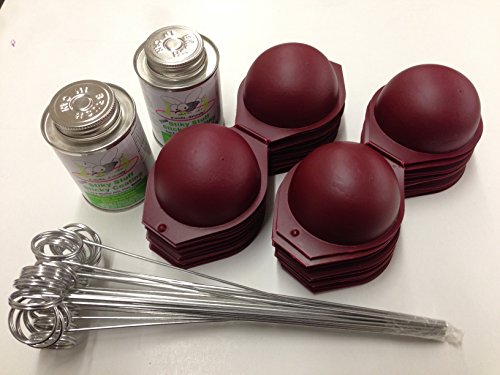
- Indoor gnat traps sticky cards 12-pack
- Apple cider vinegar gnat trap kit
- Electric gnat killer indoor device
- Fruit fly and gnats spray essential oil
- Drain gnat remover enzyme cleaner


Before You Start
Before beginning, assess moisture sources and food scraps that attract gnats. Place traps away from high-traffic areas to avoid disturbance. Safety notes: keep cleaners away from children and pets, and follow label directions for all products. Time estimates assume a standard household environment without extreme infestations: setup may take 15–30 minutes, with ongoing daily checks for 1–2 weeks.
Critical cautions: do not mix chemical sprays with incompatible cleaners, ensure good ventilation when using sprays, and never apply enzyme cleaners in areas where they could enter the drain system of a closed plumbing loop without following manufacturer instructions.
Step-By-Step: How To Get Rid Of Gnats
- Identify the main attractors by inspecting kitchen sinks, overripe fruit, and moist plants. Remove obvious food debris and rinse sinks thoroughly to limit breeding sites.
- Set up indoor gnat traps sticky cards near problem zones, especially around countertops, compost bins, and potting soil. Place traps at adult flight level for best catch rates.
- Prepare the apple cider vinegar gnat trap kit: mix a small amount of apple cider vinegar with a drop of dish soap in a cup or jar to break surface tension, then cover with plastic wrap and poke small holes to lure gnats.
- Install the electric gnat killer indoor device in a dark corner or near the gnat hot spots. Leave it on during peak activity periods (early morning and evening) for best results.
- Treat problem drains with a drain gnat remover enzyme cleaner. Run the cleaner as directed, targeting any standing water, slow drains, or garbage disposals where gnats breed.
- Use the fruit fly and gnats spray essential oil as a limited, targeted wipe-down solution in areas where gnats congregate. Avoid spraying near food surfaces; test on a small area first.
- Maintain cleanliness by washing dishes promptly, keeping fruit refrigerated or stored in closed containers, and taking out trash regularly to minimize new breeding sites.
- Monitor progress daily. Replace traps as they fill and refresh the apple cider solution every few days to preserve attractant strength until activity declines.
Troubleshooting
| Symptom | Likely Cause | Fix | Prevention |
|---|---|---|---|
| Gnats persist after traps | Breeding sites remain active | Boost drain cleaning and check potted plant soil drainage | Address moisture and organic buildup |
| Traps not catching | Low activity or trap placement | Move traps to air currents and common flight paths | Place near sinks, overripe fruit, and plant pots |
| Unpleasant odor from drains | Stagnant biofilm | Use enzyme cleaner and flush with hot water | Regular cleaning schedule |
| Spray seems ineffective | Limited contact with breeding sites | Apply to surfaces gnats frequent, avoid over-wetting | Combine with traps and sanitation |
Common Mistakes
- Relying on a single method; gnats often need multiple approaches simultaneously.
- Ignoring plant soil moisture; overwatering can create constant breeding grounds.
- Using strong sprays without proper ventilation or surface testing.
- Discarding traps too early; allow time for population decline to show.
Tips For Best Results
Consistency is key. Set traps in the early stages of an infestation and maintain a weekly cleaning routine. Rotate between different trap types to catch different life stages. For drains, a routine with enzyme cleaners helps prevent biofilms that sustain gnats. If you have houseplants, adjust watering schedules to keep soil just barely moist but not soggy. Consider placing a breathable tray under pots to catch excess moisture and reduce indoor humidity pockets that invite gnats.
Call A Professional
Consider contacting a pest professional if gnats persist beyond two weeks of treatment and sanitation, or if the infestation seems to spread to multiple rooms or involving large numbers of plants. Stop signs include a rapid population surge, gnats appearing in multiple plumbing lines, or signs of mold growth behind walls. A pro can assess hidden breeding sites and advise on integrated approaches that may involve long-term monitoring and sealing opportunities.
FAQ
What causes gnats to multiply indoors?
Gnats multiply where moisture and organic material are present, such as overwatered houseplants, decaying fruit, and slow drains. Reducing moisture and removing food sources helps prevent infestations.
Are apple cider vinegar traps effective for gnats?
Yes, many people find that apple cider vinegar traps attract and capture gnats effectively when used with a soap additive and proper placement near problem areas.
Can I use essential oil sprays alone?
Essential oil sprays can help reduce adult activity but are typically most effective when combined with traps and sanitation measures.
How long does it take to see a reduction in gnats?
Most households begin to notice a drop within 1–2 weeks of combined methods, with continued improvement as breeding sites are addressed.
Buying Guide
Choosing the right tools involves considering room size, infestation level, and maintenance preferences. For many homes, a combination of traps, an electric killer device, and drain cleaners provides a balanced approach. When evaluating options, consider:
- Trap coverage: A 12-pack of sticky cards is often sufficient for small kitchens or bathrooms; larger spaces may need additional units.
- Targeted attractants: Apple cider vinegar kits work well for fruit fly–like gnats and slow-drain problems.
- Continuous control: An electric gnat killer indoor device offers ongoing reduction without ongoing manual effort.
- Drain hygiene: Enzyme cleaners address breeding sites in plumbing and should be part of a routine elimination strategy.
- <bSafe use: Ensure products are safe for kitchens and households with pets or children by following labels and using ventilation where advised.
Placement matters more than many realize. Position traps and devices near known hotspots but away from food prep areas. Noise, power access, and ease of maintenance should guide setup choices. For multi-room homes, stagger device placement to cover connected spaces and avoid creating secondary breeding zones. Consider a routine combo plan: traps for rapid capture, enzyme cleaners for ongoing drain protection, and a spray or wipe-down routine for surface control.