Gnats can quickly become a nuisance in tight urban living spaces. Properly identifying the source, using a combination of traps, and maintaining clean surfaces all contribute to effective control. This guide provides practical steps and product-backed methods to reduce and prevent gnats in an American apartment.
Quick Answer
Goal: eliminate breeding sites, trap adults, and reduce moisture. Fast methods: deploy plug-in indoor fruit fly trap UV light gnat killer and electric bug zapper indoor fly trap for gnats, place sticky fly traps for fruit flies apartment where they fly, and set up a reusable fruit fly trap with apple cider vinegar attractant. Add a hanging fly trap for fruit flies apartment with bait for elevated ceilings or corners.
What You’ll Need
- Plug-in indoor fruit fly trap UV light gnat killer
- Electric bug zapper indoor fly trap for gnats
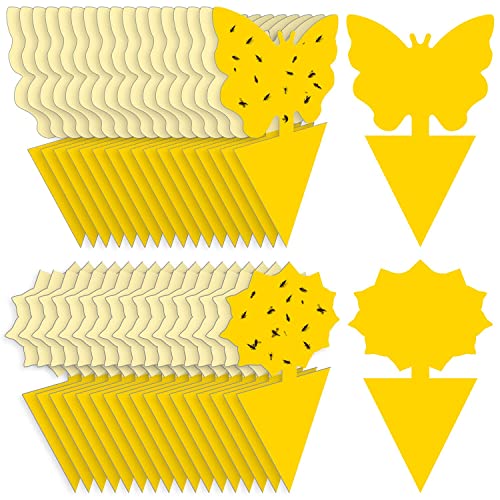
- Sticky fly traps for fruit flies apartment
- Reusable fruit fly trap with apple cider vinegar attractant
- Hanging fly trap for fruit flies apartment with bait


Before You Start
Before tackling gnats, identify common breeding sites: overripe fruit, spilled wine or juice, dirty drains, and potting soil with moisture. Clear food residues, rinse produce, and take out trash regularly. Safety notes: unplug electrical devices before cleaning, follow product instructions, and keep traps away from small children and pets. Estimate 1–3 days for noticeable reductions with consistent effort; full control may take up to two weeks in some cases.
Step-By-Step: How To Remove Apartment Gnats
- Clear and sanitize obvious attractants: remove ripe fruit, cover drinks, and wipe down countertops to reduce sugars and residues.
- Inspect drains and damp areas: pour boiling water or a drain cleaner compatible with your plumbing to interrupt breeding cycles.
- Set up a plug-in indoor fruit fly trap UV light gnat killer near kitchens and dining areas where gnats are most active.
- Position a sticky fly traps for fruit flies apartment along walls or under sinks to catch wandering adults.
- Place a reusable fruit fly trap with apple cider vinegar attractant in the kitchen to lure and trap gnats.
- Hang a hanging fly trap for fruit flies apartment with bait from the ceiling or cabinet handles to reach gnats in harder-to-reach spots.
- Use an electric bug zapper indoor fly trap for gnats in dimly lit corners to capture nocturnal adults.
- Monitor traps daily and replace attractants or cleaners as needed to maintain effectiveness.
- Combine trap use with routine cleaning: wash dishes promptly, store produce in sealed containers, and vacuum frequently to remove eggs and larvae.
- Repeat the cycle for 1–2 weeks, then reduce trap activity once gnats are under control to maintain a low population.
- Address lingering moisture: fix leaks, improve ventilation, and avoid overwatering houseplants to prevent re-infestation.
- Evaluate results and adjust trap placements if new hotspots appear, particularly behind cabinets or under sinks.
Troubleshooting
| Symptom | Likely Cause | Fix | Prevention |
|---|---|---|---|
| Gnats persist after a week | Breeding sites remain | Reassess drains, damp areas, and trash bins; deep clean and reseal produce storage | Maintain weekly cleanups and monitor moisture |
| Few gnats captured by traps | Traps not placed optimally | Reposition near entryways, sinks, and fruit bowls | Rotate trap locations every few days |
| Traps attract fruit flies but not gnats | Wrong attractant or trap type | Switch to apple cider vinegar-based trap and use sticky traps | Use a combination of trap types |
| Visible mold or plant soil moisture | Overwatering or poor drainage | Reduce watering, improve pot drainage, and repot if needed | Water plants only when topsoil is dry |
Common Mistakes
- Relying on a single trap type; gnats require a multi-method approach.
- Ignoring drains and moisture that sustain breeding adults.
- Leaving traps in the same spot for too long without refreshing attractants.
- Neglecting proper kitchen hygiene and overripe produce in cupboards.
Tips For Best Results
- Combine traps with strong cleaning routines for quicker results.
- Install traps at multiple elevations to catch gnats in flight paths.
- Use fans in kitchen areas to disrupt flight patterns and reduce trap hits.
- Rotate attractants and replace every 2–4 weeks to prevent habituation.
- Seal trash cans with tight lids and empty them regularly.
Call A Professional
If the gnat problem persists for more than two weeks despite using multiple traps and sanitation efforts, consider consulting a pest control professional. Seek help if you notice signs of structural moisture damage, mold growth, or infestations beyond a single apartment unit, especially in multi-unit buildings where shared plumbing can spread gnats more quickly.
FAQ
What attracts gnats to apartments?
Gnats are drawn to moisture, decaying organic matter, and exposed food. Regularly cleaning surfaces, sealing food, and managing damp areas reduce attractants.
Do I need to use all the traps at once?
No. A layered approach—plugs, sticky traps, attractant traps, and hanging traps—often yields faster results.
How long does it take to see a reduction?
Most households notice a drop within 3–10 days with consistent sanitation and trap use.
Can plants harbor gnats?
Yes. Overwatered potted plants can attract gnats; allow soil to dry between waterings and use sterile soil when repotting.
Are gnats dangerous?
Gnats are mostly a nuisance; they do not pose significant health risks but can spread bacteria through unsanitary contact.
Should I throw away my traps after use?
Many traps are designed for repeated use; clean and reuse them as directed, replacing attractants when needed.
Buying Guide
When choosing tools to fight apartment gnats, consider size, placement, and maintenance requirements. A plug-in indoor fruit fly trap UV light gnat killer provides continuous passive control near high-traffic zones, while a electric bug zapper indoor fly trap for gnats can target nocturnal flight. Sticky fly traps for fruit flies apartment offer a visible, floor-level catch near food prep areas, and a reusable fruit fly trap with apple cider vinegar attractant delivers a simple, eco-friendly solution. A hanging fly trap for fruit flies apartment with bait helps reach upper corners and pantry alcoves. Consider layered setups to maximize coverage, especially in kitchens, bathrooms, and living rooms. Evaluate noise levels, energy use, and whether a device blends with décor. For larger units, look for energy-efficient traps with multiple scent attractants and easy maintenance.
Factors to weigh include:
- Size and coverage: Larger apartments may benefit from multiple units or higher-capacity traps.
- Noise level: Quiet operation matters in bedrooms and living spaces.
- Energy efficiency: Low-power options reduce ongoing costs.
- Controls: Simple on/off, timers, and smart integrations add convenience.
- Placement: Floor, wall, or ceiling-mounted traps suit different layouts; ensure child and pet safety.
In practice, most effective setups combine traps at the sink and pantry, near garbage areas, and in corners of rooms with observed activity. Regular cleaning, proper food storage, and moisture control remain essential for long-term success. If you’re unsure which combination fits your apartment’s layout, start with a plug-in UV light trap and a reusable attractant trap, then add a hanging trap for hard-to-reach spots as needed.