Foggy windows can turn a routine drive into a safety concern. Condensation forms when warm, moist air inside the cabin meets cooler glass, creating a haze that distorts visibility. A reliable approach combines quick defogging actions with preventative steps to keep windows clear in varying weather. This guide outlines practical, consumer-friendly methods for American drivers.
By understanding the root causes and applying a layered solution, drivers can choose the right tools and techniques for their vehicle and climate. The steps below cover immediate clearing methods and long-term prevention to help maintain clear sightlines on every trip.
Quick Answer
Immediate fix: use a windshield anti-fog product or defogging wipes, run the HVAC system on fresh air, and direct airflow to the glass. Prevention: keep a dehumidifying device or anti-fog coating in your car and regularly clean the glass to reduce surface oils that attract moisture.
What You’ll Need
- car windshield anti-fog spray 12 oz
- defogging wipes for car windshield kit
- portable 12V car dehumidifier
- automotive windshield demister film anti-fog coating
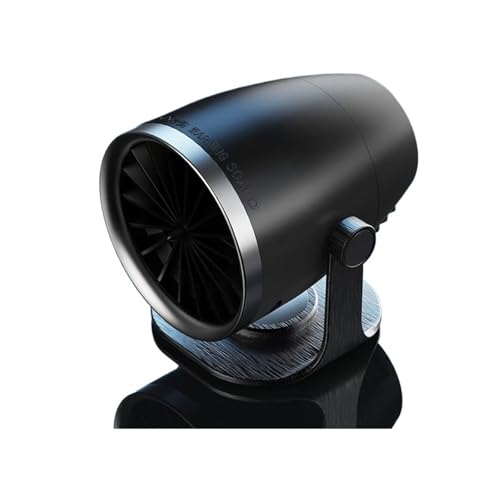
- car windshield heater defogger blower 12V


Before You Start
Check vehicle windows for cracks or damage before applying any coatings. Avoid applying products in direct sunlight or on hot glass. Make sure the windshield is clean and free from heavy grime, which can trap moisture. Time estimates vary: brief wipes or spray can clear fog in minutes, while installing a dehumidifier may take longer but offers ongoing benefits. Important safety note: avoid distractions while applying products and never operate defogging equipment while driving in hazardous conditions.
Step-By-Step: How To Clear Fog From Car Windows
- Start with the HVAC system. Turn on the defog mode and set to fresh air if possible, adjusting temperature to balance humidity.
- Wipe the inside of the windshield with a defogging wipe to remove oils that attract moisture.
- Apply a windshield anti-fog spray to the interior surface, following the product instructions for even coverage and buffing to a clear finish.
- For persistent fog, apply automotive windshield demister film anti-fog coating in a thin, uniform layer and allow to dry completely.
- Direct the airflow toward the glass by angling vents slightly downward and choosing a higher fan speed to maximize evaporation.
- If fog recurs, switch to a dehumidifying device. Plug in a portable 12V car dehumidifier and run it for several hours or during trips with frequent humidity changes.
- Consider a car windshield heater defogger blower 12V as a supplementary option for rapid clearance in cold, damp conditions.
- Regularly clean windows with a microfiber cloth to remove residue that can hold moisture on the surface.
- Monitor cabin humidity with a small hygrometer, if available, to track moisture levels and adjust usage accordingly.
- Keep interior temperatures stable during cold weather to minimize condensation formation on glass.
- Reapply anti-fog products every few weeks or as directed by the manufacturer for best results.
- Store the kit components in the vehicle for quick access on damp or humid days.
Troubleshooting
| Symptom | Likely Cause | Fix | Prevention |
|---|---|---|---|
| Fog returns quickly after clearing | High indoor humidity or oils on glass | Reapply anti-fog coating and use defogging wipes | Use dehumidifier during humid conditions |
| Fogging only on one side | Inconsistent venting or a leak | Adjust vents to direct air evenly and inspect seals | Check weatherstripping and repair leaks |
| Fogging persists despite sprays | Old product buildup or incompatible coating | Clean glass thoroughly and reapply a compatible anti-fog product | Rotate products if necessary and follow guidelines |
| Condensation on exterior surface | Warm interior air meeting cold exterior glass | Vent to the outside, lower humidity, or use external drying methods | Avoid breath-directing exhalations toward glass |
| Electrical heater not producing heat | Blower or fuse issue | Check fuse, wiring, and plug connections | Have a professional inspect the electrical system if unsure |
Common Mistakes
- Applying anti-fog products to dirty glass
- Using dish soap or household cleaners that leave residues
- Relying solely on interior warmth without reducing humidity
- Blocking vents or directing air away from the windshield
- Ignoring maintenance of seals and climate control components
Tips For Best Results
- Clean glass weekly with a dedicated glass cleaner to minimize residue buildup.
- Pair anti-fog treatments with a dehumidifier for ongoing moisture control.
- Test new products on a small area to ensure compatibility with your glass.
- Keep a small microfiber towel and wipes in the glove box for quick touch-ups.
- In cold weather, pre-heat the car before driving to reduce rapid condensation formation.
Call A Professional
Seek professional help if fogging persists despite using consumer products, or if you notice cracks or wiper-induced pitting on the glass. If the HVAC system shows irregular airflow, or if electrical components appear faulty, a licensed technician should inspect the vehicle.
FAQ
What is the quickest way to remove fog from car windows?
Turn on defog mode, direct air to the glass, and apply a windshield anti-fog product for immediate relief.
Can I use household cleaners to remove fog?
Use purpose-made glass cleaners and anti-fog products; avoid household cleaners that leave streaks or residues.
Will a portable dehumidifier work in any car?
Yes, most portable 12V dehumidifiers are designed for cars, but verify compatibility with your model and power outlet.
How often should I reapply anti-fog coating?
Follow the manufacturer’s guidance; typically every few weeks or after heavy use and cleaning.
Is fogging a sign of a weather issue or a vehicle problem?
Fogging is usually weather-driven or humidity-related, but persistent fog with poor airflow could indicate HVAC or seal problems.
Should I use anti-fog coatings on the inside and outside surfaces?
Most coatings are formulated for interior surfaces; follow product instructions for proper application.
When is it necessary to call a professional for fog issues?
If fogging continues after using products, or if there are structural glass or HVAC problems, consult a professional.
Buying Guide
When choosing tools to combat cabin fog, consider factors like performance, compatibility, and maintenance. Size matters for storage in the vehicle, and noise levels impact comfort during operation. Energy efficiency and control options influence how effectively you manage humidity over time. Placement of dehumidifiers and coats should support easy access and minimal interference with driving. Comparing products that incorporate anti-fog coatings, wipes, and dehumidification helps owners pick a layered solution that suits typical American driving climates.