Fiberglass itch is a common nuisance for DIYers and professionals working with insulation. Proper protection and careful cleanup can reduce irritation and speed up the process. This guide outlines practical steps to minimize contact with fibers, manage contamination, and finish a project safely in typical American home settings.
Frustration often comes from small irritants that linger on skin and clothing. By following a routine that prioritizes personal protective equipment, efficient cleaning, and careful disposal, you can work more comfortably and reduce the risk of flare-ups after a fiberglass project is complete.
Quick Answer
Wear a respirator, safety goggles, and disposable coveralls when handling fiberglass insulation to minimize airborne fibers. Use a dedicated shop vacuum with a fiberglass dust attachment for cleanup, and scrub exposed skin with mild soap and water after finishing. Inspect work clothes and tools for stray fibers before re-entry into living spaces.
What You’ll Need
- N95 respirator mask for fiberglass dust
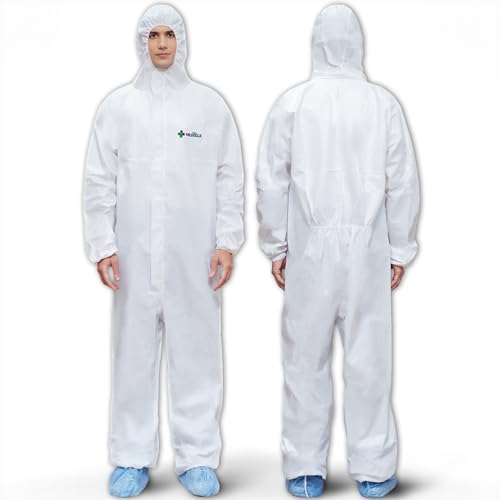
- Disposable coveralls insulation removal fiberglass
- Fiberglass insulation removal scraper tool
- Shop vac fiberglass dust vacuum attachment
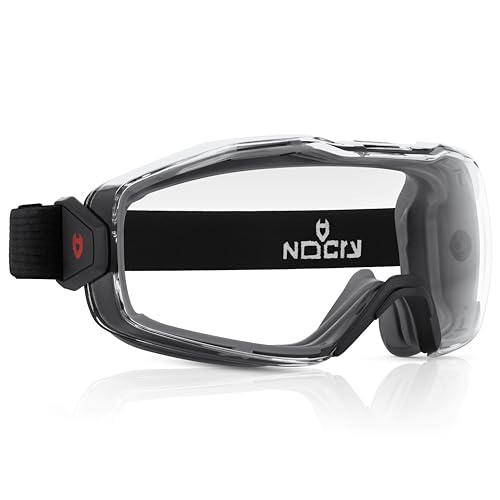
- Safety goggles fiberglass dust protection

Before You Start
Assess the area to be worked on and ventilate if possible. Plan for cleanup at the end of each work session to prevent fiber migration. Keep children and pets away from the work zone, and seal off the space to minimize dust circulation. Time estimates vary by project size; small projects may take a few hours, larger jobs can extend to a day or more.
Step-By-Step: How To Get Rid Of Fiberglass Itch
- Put on the N95 respirator mask for fiberglass dust and ensure a snug seal. Protect eyes with Safety goggles fiberglass dust protection.
- Don the Disposable coveralls insulation removal fiberglass and gloves to prevent skin contact with fibers.
- Inspect the work area for loose fibers on walls, ducts, and hard surfaces before starting.
- Begin removing insulation with the fiberglass insulation removal scraper tool, using steady, controlled motions to minimize dust.
- Keep a dedicated waste bag for insulation debris and seal it frequently to reduce fiber escape.
- Use the Shop vac fiberglass dust vacuum attachment to capture dust and small fibers from floors and crevices, moving methodically from top to bottom.
- Wipe surfaces with a damp cloth or tack pad after vacuuming to collect remaining fibers without grinding them into textures.
- Remove outer layers of clothing at the work site if possible, then place them directly into a sealed bag for washing or disposal.
- Shower and change into clean clothes after the job, paying attention to hair, ears, and under fingernails.
- Ventilate the space again and inspect for missed fibers; repeat cleaning if needed to ensure a thorough finish.
- Store tools and PPE in a designated area away from living spaces until next use to prevent cross-contamination.
Troubleshooting
| Symptom | Likely Cause | Fix | Prevention |
|---|---|---|---|
| Itchy skin after cleanup | Residual fibers on skin or clothing | Shower, wash clothes, and re-clean surfaces | Wear PPE at all times; bag and launder gear separately |
| Persistent dust in air | Insulation breakage during removal | Pause work and seal area; re-clean with vacuum | Ventilate and control breakage; use slower removal |
| Eye irritation | Fibers contacting eyes | Rinse eyes with clean water; replace damaged goggles | Keep goggles on; avoid rubbing eyes |
| Clogs in shop vac | Heavy debris | Empty and clean canister; replace bag if needed | Use proper collection technique and filters |
Common Mistakes
- Not wearing a respirator or eye protection during removal
- Rushing the cleanup and spreading fibers with household tools
- Failing to seal waste and disposing of it with regular trash
- Forgetting to shower or change clothes after finishing
- Using non-specialized attachments on the shop vac for fiberglass dust
Tips For Best Results
- Work in a well-ventilated area or use local exhaust ventilation to capture fibers at the source.
- Choose a high-quality N95 mask designed for fiberglass particles; replace the filter as recommended by the manufacturer.
- Clean from top to bottom to prevent re-suspension of fibers on finished surfaces.
- Label and isolate waste bags to prevent contamination of other spaces.
- Inspect and clean tools after each use to avoid fiber transfer to future projects.
Call A Professional
Consider contacting a professional if the insulation removal involves complex demolition, asbestos suspicion, or hard-to-reach spaces. Stop work if you encounter dusty conditions that cannot be controlled, or if you experience breathing difficulties, persistent coughing, or chest tightness. A licensed contractor can assess risk, ensure proper containment, and perform safe cleanup with specialized equipment.
FAQ
What is the best respirator for fiberglass dust?
A properly fitted N95 respirator designed for fiberglass dust provides a balance of filtration and comfort for typical projects.
Can I reuse disposable coveralls after fiberglass work?
Generally, disposable coveralls are intended for single use. If they become heavily contaminated, replace them to avoid skin contact with fibers.
How do I remove fiberglass fibers from skin?
Wash with mild soap and cool water; avoid hot water and harsh scrubs that can irritate the skin.
Is it safe to clean up with a standard household vacuum?
Use a shop vac with a fiberglass dust attachment to prevent fiber recirculation and protect your main vacuum.
What surfaces should be avoided during cleanup?
Avoid brushing or dry sweeping as it can release fibers into the air; opt for damp wiping and vacuuming instead.
Do I need a professional for small projects?
For small, straightforward projects, a careful DIY approach is usually sufficient. Seek pros if there are signs of extensive containment issues or suspected asbestos.
Buying Guide
Choosing the right gear for fiberglass work improves safety and comfort while reducing itch. Consider size and fit for protective clothing, noise levels and ergonomics of tools, energy efficiency for powered cleanup, and user-friendly controls for quick adaptation. Placement matters: keep PPE within easy reach at the job site, and store cleaning attachments in a dedicated cabinet to minimize cross-contamination.
Size and fit matter for protective gear. A snug respirator with replaceable filters and properly sized disposable coveralls prevent skin exposure. Noise considerations apply to power tools and shop vacs; look for models with lower decibel ratings and comfortable handles for longer sessions. Energy efficiency in vacuums reduces load on household circuits and helps maintain a safer workspace. Controls should be straightforward: easy to switch attachments, clear on/off buttons, and intact filters.
When comparing products, prioritize compatibility with fiberglass cleanup needs. A dedicated shop vac fiberglass dust vacuum attachment ensures effective dust capture, while fiberglass insulation removal scraper tool minimizes fiber release during removal. Protective eyewear and a reliable N95 respirator mask for fiberglass dust complement the kit for comprehensive protection. Finally, durable disposable coveralls insulation removal fiberglass reduce skin contact and simplify disposal.
Placement considerations include keeping the work area contained, avoiding shared air spaces, and using plastic sheeting to seal off adjacent rooms if needed. A simple, methodical approach to layout reduces fiber spread and speeds up cleanup. For most residential projects, a compact, high-efficiency shop vac with appropriate filtration and a snug-fitting respirator will meet typical needs while ensuring safer, more comfortable operation.