Maintaining a clean home requires a systematic approach that saves time and delivers consistent results. This guide walks through a professional-grade cleaning routine, using common tools and a few specialized items to elevate everyday chores. Readers will find a clear sequence, practical tips, and safety considerations suitable for busy American households.
Quick Answer
Follow a structured routine: start with dusting and garbage removal, then tackle bathrooms, the kitchen, and living areas in order of soilability. Use a microfiber mop and extendable duster for fast reach, a handheld steam cleaner for grout and upholstery, and a stiff nylon grout brush for tough tile grime. Keep a strict surface-prep plan, work top-to-bottom, and allow steam and moisture to dry before finishing with vacuuming and polishing.
What You’ll Need
The following tools are recommended to replicate professional results at home:
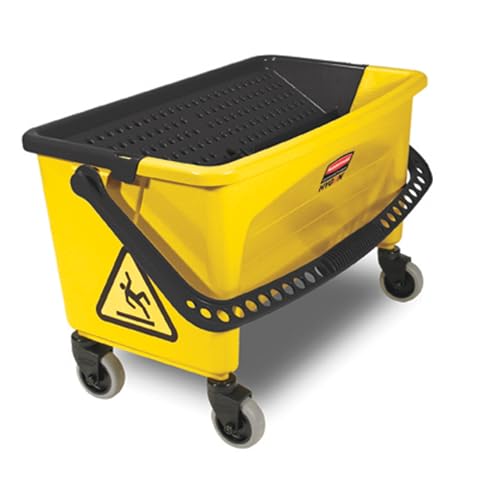
- Professional microfiber mop with bucket system for efficient mopping and water control
- Commercial microfiber cloths 12×12 inches for dusting and surface wiping
- Extendable reach duster with microfiber sleeves to reach ceilings, fans, and corners
- Handheld steam cleaner for grout tiles upholstery to sanitize and refresh fabrics and grout
- Grout brush scrub set with stiff nylon bristles for deep tile cleaning


Before You Start
Prepare the area by removing clutter and securing small items. Ventilate spaces with doors or windows when using steam or strong cleaners. Test cleaners on inconspicuous areas to avoid finish damage. Create a cleaning schedule that fits your home’s layout and your time constraints. Time estimates vary by home size but plan roughly 2–6 hours for a thorough full-house session. Avoid mixing incompatible cleaners to prevent fumes or residue.
Step-By-Step: How To Clean A House Like A Pro
- Clear surfaces and dust high to low, using the extendable reach duster for ceilings, shelves, and light fixtures.
- Wipe down hard surfaces with commercial microfiber cloths, moving from topmost surfaces to lower ones to catch falling dust.
- Clean bathrooms first: spray and scrub sinks, countertops, faucets, and toilets; use the grout brush to tackle tile joints.
- Deep-clean grout and tiles with the handheld steam cleaner where moisture is appropriate, especially in showers and backsplashes.
- Move to the kitchen: wipe countertops, appliance exteriors, and cabinet faces; disinfect high-touch areas with microfiber cloths.
- Use the microfiber mop with the bucket system to wash floors in a systematic pattern, switching water as needed to avoid spreading dirt.
- Target high-traffic zones last and vacuum floors thoroughly, including under furniture and in corners.
- Refresh fabrics and upholstery by lightly steaming or wiping with microfiber cloths; address stains promptly with appropriate cleaners.
- Apply final touches: straighten cushions, replace towels, and wipe mirrors or glass surfaces for a streak-free finish.
- Perform a quick safety check: ensure floors are dry before foot traffic, and store cleaning tools neatly after use.
- Recheck rooms to confirm no surfaces were overlooked, and adjust the plan for any repeat-cleaning needs.
Troubleshooting
| Symptom | Likely Cause | Fix | Prevention |
|---|---|---|---|
| Streaks on glass or mirrors | Residue from cleaner or water spots | Wipe with a microfiber cloth and use a small amount of water only | Use a dedicated glass cloth; avoid ammonia-heavy formulas |
| Persistent soap scum in showers | Hard water minerals and soap buildup | Apply a dedicated grout and tile cleaner; scrub with grout brush | Clean weekly to prevent buildup |
| Floor feels slippery after mopping | Excess cleaning solution or wet mop residual | Rinse mop water frequently; wring well and use clean water for final pass | Use a microfibre mop system and change water often |
| Dust returns quickly | Poor air filtration or overlooked spots | Vacuum with a HEPA filter; dust from vents and behind furniture | Regular maintenance schedule and vent cleaning |
Common Mistakes
- Using dirty cloths across multiple rooms, which redistributes dirt
- Skipping the top-to-bottom cleaning approach, leading to re-dirty work
- Over-wetting carpets or porous surfaces, increasing drying time
- Not testing cleaners on sensitive finishes, risking discoloration
Avoid these pitfalls by organizing supplies, working in a deliberate order, and using the right tools for each surface.
Tips For Best Results
- Keep a consistent cleaning rotation (e.g., daily quick clean, weekly deep clean) to maintain order.
- Rinse microfiber cloths frequently and swap water to prevent spreading soil.
- Pre-treat stains on fabrics with a fabric-safe cleaner before steam or wash cycles.
- Label cleaning zones to reduce cross-contamination between rooms.
- Ventilate spaces during and after cleaning to speed up drying and comfort.
Call A Professional
Professional help may be needed if there are persistent moldy or rotten odors, severe water damage, or structural cleaning demands beyond routine maintenance. Seek expert services for major carpet cleaning, upholstery restoration, or grout repair that involves structural changes or chemical exposure concerns.
FAQ
How often should I deep-clean every room?
Plan a full-depth clean every 4–8 weeks, depending on foot traffic, pets, and allergies.
What is the best order for a home cleaning session?
Top-to-bottom, left-to-right, and room-by-room, starting with dusting and ceilings, then wiping surfaces, and finishing with floors.
Can I reuse microfiber cloths for multiple rooms?
Yes, if they are clean and free of cross-contamination; separate cloths by room or task to improve results.
Do I need a steam cleaner for a home cleaning routine?
A handheld steam cleaner is optional but effective for grout, upholstery, and sealed fabrics when used properly.
What maintenance should I perform on cleaning tools?
Rinse, wring, and air-dry tools after each use; wash microfiber cloths regularly and replace worn brushes and mops as needed.
Buying Guide
When selecting tools for a professional-grade home clean, consider size, noise, energy use, controls, and placement. A professional microfiber mop with bucket system offers efficient water management and quick wringing, ideal for larger homes. Commercial microfiber cloths 12×12 inches provide durable, consistent performance for general cleaning and surface protection. An extendable reach duster with microfiber sleeves helps minimize ladder use and keeps dust off ceilings. For deep cleaning, a handheld steam cleaner for grout tiles upholstery can sanitize without harsh chemicals, while a grout brush scrub set with stiff nylon bristles tackles stubborn tile grime. Consider these factors:
- Size and layout: Larger homes benefit from bucket-system mops and extendable tools to cover more area efficiently.
- Noise level: Choose quieter equipment if space is shared with family members or pets.
- Energy efficiency: Manually operated tools like mops and brushes generally use no power, while steam devices require electricity; look for energy-efficient models and safety features.
- Controls: Simple on/off operation and adjustable handles reduce strain and improve precision.
- Placement: Store tools in a dedicated cleaning caddy or closet to streamline access and organization.
- Maintenance: Reusable cloths and mops lower ongoing costs and waste; plan for regular washing and replacement of worn components.
By matching tools to tasks and following a consistent routine, households can achieve professional-like cleanliness with efficiency and confidence.