Creases in dress shoes and boots are common, especially after extended wear. With the right approach, creases can be minimized or restored to a smoother appearance. This guide covers practical methods, from simple prevention to targeted tools, so American readers can refresh their footwear efficiently.
Quick Answer
To reduce creases quickly, insert wooden shoe trees when the shoes are off the feet, apply a leather conditioner, and use a crease remover kit for targeted treatment. For deeper creases, pair a leather conditioner with a crease guard and consider gentle stretching tools to reshape the shoe.
What You’ll Need
- Wooden shoe trees cedar for dress shoes
- Leather shoe crease remover kit
- Shoe stretcher with adjustable width for dress shoes
- Boot shaper plastic boot stretcher
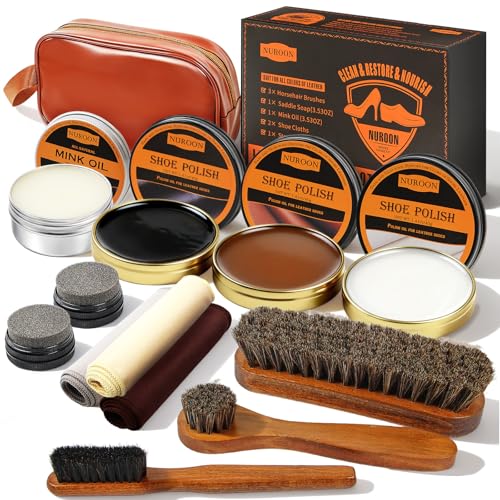
- Leather conditioner with crease guard kit


Before You Start
Assess the material and finish of the shoes. Leather shoes benefit most from conditioning and gentle shaping, while suede or nubuck may require different care. Avoid harsh solvents or heat sources, which can dry or crack leather. Plan for a two-step session: surface prep and gradual reshaping. Time estimate: 30–60 minutes for initial care; up to several days for optimal drying and conditioning.
Step-By-Step: How To Get Rid Of Creases In Shoes
- Remove the laces and loosen any hardware to allow full access to the interior.
- Insert wooden shoe trees cedar for dress shoes while the shoes are at rest to maintain form and absorb moisture.
- Gently wipe the exterior with a clean, dry cloth to remove dust.
- Apply a thin layer of leather conditioner with crease guard kit to the creased areas, working in circular motions.
- Let the conditioner absorb for 10–15 minutes, then buff with a soft cloth to even out the surface.
- If creases remain, use a leather crease remover kit following the product’s instructions for targeted treatment.
- For stubborn creases, insert a shoe stretcher with adjustable width for dress shoes into the shoe and set it to a comfortable stretch; leave for a few hours or overnight as directed by the product.
- Repeat conditioning after the stretching session to re-nourish the leather and help it rebound.
- Remove the stretcher and allow the shoes to rest on cedar shoe trees for several hours to retain shape.
- Inspect for uniform texture; if needed, lightly repeat conditioning and buffing to even out any shiny patches.
- Store shoes with cedar shoe trees and in a cool, dry place to prevent new creases from forming.
- Optionally, place boot shaper plastic boot stretcher inside boots to prevent future creasing in taller footwear.
Troubleshooting
| Symptom | Likely Cause | Fix | Prevention |
|---|---|---|---|
| Creases reappear soon after wearing | Leather loss of elasticity or improper conditioning | Reapply conditioner and use cedar shoe trees consistently | Regular maintenance and gradual stretching when new |
| Shiny patches after conditioning | Over-application or insufficient buffing | Buff more thoroughly with a clean cloth | Apply in thin layers and wipe off excess |
| Stiff feel after using a stretcher | Over-stretching or incompatible leather | Reduce stretch time and re-evaluate width setting | Use gradual adjustments and monitor comfort |
| Creases on toes or along the vamp | Heel slip or poor fit | Consider multiple steps: loosening laces, heel grips, or size check | Ensure proper sizing and support across the forefoot |
Common Mistakes
- Overheating leather with heat tools or radiators — avoid heat at all costs.
- Using harsh chemical cleaners that dry leather out — stick to conditioner-friendly products.
- Skipping conditioning after stretching — leather needs moisture to rebound.
- Relying on a single method for all creases — combine conditioning with controlled reshaping.
Tips For Best Results
- Reserve cedar wooden shoe trees for off-hours to maintain shape when not wearing the shoes.
- Choose a compatible leather conditioner that includes a crease guard for long-term results.
- When using stretchers, start with a narrow adjustment and increase gradually over 24–48 hours.
- For boots, boot shaper plastic boot stretcher helps maintain leg and shaft shape while preventing creases in the toe area.
- Test any product on a small inconspicuous area before full use to ensure colorfastness.
Call A Professional
Consult a cobbler if creases are deep, the leather shows cracking, or there is significant structural wear. Stop signs include persistent creases after multiple treatments, discoloration, or leather that does not soften with conditioner. A pro can assess whether the issue is cosmetic or related to sole or heel integrity.
FAQ
Can cedar shoe trees prevent creases?
Yes, cedar trees help maintain shape and absorb moisture, reducing crease formation when shoes are not worn.
Is a crease remover kit necessary for all shoes?
Not always, but it can significantly help for stubborn creases on leather dress shoes.
How often should I condition leather shoes?
Condition every 4–6 weeks with regular wear, or after cleaning, to keep leather supple.
Will stretching damage my shoes?
When done gradually with the right tools, stretching can reshape footwear without harming the leather.
Buying Guide
When choosing products to prevent and treat creases, consider size, material compatibility, and ease of use. A comprehensive kit should include a leather creasing solution, conditioner, and a stretch option for tight patches. Look for cedar wooden shoe trees that fit your shoe size and style, and ensure boots have a compatible plastic boot stretcher to address taller shaft creases. Noise, energy use, and electronics are not typically a concern for these manual tools, but ensure materials are durable and designed for frequent home maintenance. Consider how you store footwear and whether a combined care routine fits your schedule. Do you prefer a one-time treatment or ongoing maintenance? A well-rounded approach with conditioning, moisture control, and gentle reshaping tends to deliver the best long-term results.