Car wash scratches can range from light swirl marks to deeper surface imperfections. Proper tools and careful technique help restore the finish without compromising the clear coat. This guide walks American drivers through a practical, step-by-step approach using common automotive products to minimize or remove light to moderate scratches.
Quick Answer
For shallow marks, start with a microfiber pad and a dedicated car polish and rubbing compound kit, then finish with a scratch remover wipe or pen. Deeper scratches may require a more involved repair or professional help. Always test products on a small area before broad application.
What You’ll Need
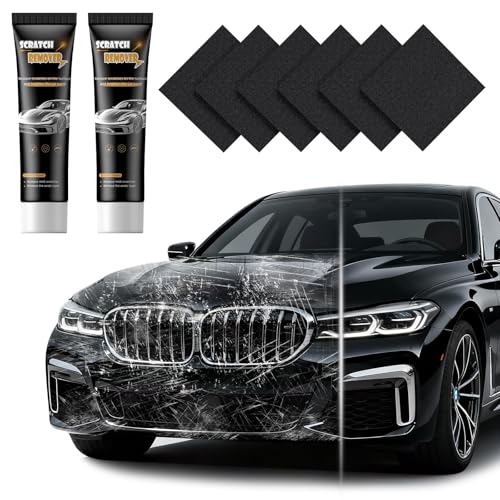
- Car scratch remover kit with compound and polisher
- Automotive scratch repair pen set
- Car polish and rubbing compound kit for scratches
- Microfiber buffing pads kit for car scratches
- Clear coat safe scratch remover wipes for cars


Before You Start
Inspect the scratch depth by seeing if you can feel a groove with your fingernail. If it catches, deeper repair may be required. Work in a shaded, dust-free area to avoid rapid drying. Use a clean, soft microfiber cloth to avoid introducing new scratches. Protect surrounding areas and wear gloves if you have sensitive skin. Time estimates vary, but plan 60–180 minutes for a complete small panel restoration, including cure times for polishes.
Important cautions: do not work on peeling clear coat or exposed primer, avoid aggressive rubbing, and always follow product-specific instructions for curing times and application methods.
Step-By-Step: How To Remove Car Wash Scratches
- Prepare the surface by washing the area with a gentle car shampoo and a soft cloth to remove dirt and debris.
- Dry thoroughly with a clean microfiber towel to prevent water spots during polishing.
- Apply a small amount of car polish and rubbing compound kit for scratches to a buffing pad or cloth.
- Buff the scratched area in a slow, circular motion, applying medium pressure for about 20–30 seconds, then wipe away residue with a clean cloth.
- Repeat the polishing step if the scratch remains visible, gradually increasing buffer time a little at a time while monitoring the finish.
- Use the automotive scratch repair pen set on the touched-up area if the pen matches your vehicle color and the scratch is localized.
- Apply the car scratch remover kit with compound and polisher as a final glaze to even the surface and restore shine.
- Finish with clear coat safe scratch remover wipes to blend and protect the repaired area, then let the surface cure as directed.
Troubleshooting
| Symptom | Likely Cause | Fix | Prevention |
|---|---|---|---|
| Scratch remains after polishing | Deep scratch or insufficient compound action | Reapply with slightly more pressure or switch to a stronger rubbing compound kit | Use a painter’s tape to protect edges; work in short, controlled passes |
| Hazy or white residue | Over-application or residue not wiped | Wipe clean with a microfiber cloth, then re-wipe with a light pass | Remove excess product promptly |
| Scratches reappear after washing | Protective layer not fully restored | Reapply final wax or sealant after repair | Maintain with regular polishing and waxing |
| Clear coat damage visible | Underlying clear coat damaged | Consider a professional repair or repaint for best results | Avoid harsh brushes and aggressive washing tools |
Common Mistakes
- Using heavy abrasive compounds on delicate finishes
- Polishing in direct sunlight or on hot surfaces
- Ignoring test patches on inconspicuous areas
- Neglecting to remove all residue before moving to the next step
Tips For Best Results
- Work in a shaded area to maintain consistent temperature and drying time
- Use multiple, light passes rather than a single heavy pass
- Keep the buffing pad flat against the surface to avoid creating new swirls
- Pair polishing with a compatible wax or sealant for long-lasting protection
Call A Professional
Contact a professional if you notice deep scratches that expose primer or metal, if color-matching becomes difficult, or if multiple panels require repair. Seek immediate help for paint damage that could compromise the vehicle’s integrity or resale value.
FAQ
Can I use household products to remove car scratches?
Household products are not recommended for automotive finishes. Use purpose-made car scratch removal kits and polishes designed for clear coats.
Will waxing hide scratches?
Wax can help conceal minor imperfections temporarily, but it does not repair them. Proper polishing is required for visible improvement.
How long does a scratch repair last?
Durability depends on the product, climate, and maintenance. Regular waxing and gentle washing extend protection.
Are there risks repairing near trim or chrome?
Yes. Protect trim with tape and test on an inconspicuous area first to avoid staining or residue transfer.
What if the scratch reappears after a few washes?
This may indicate the repair layer did not properly bond. Reassess the area and consider a re-application or professional inspection.
Buying Guide
Choosing the right kit depends on scratch severity, vehicle finish, and maintenance goals. Consider the following factors to compare options effectively.
- Size and scope: Are you treating a single panel or multiple areas? For vast surfaces, a comprehensive car scratch remover kit with a polisher is helpful.
- Noise level: Buffing can generate noise; quieter buffers are preferable for indoor use or apartment living.
- Energy efficiency: Manual buffing requires no electricity, while electric polishers consume power—choose based on frequency of use and convenience.
- Controls and ease of use: Look for simple interfaces, adjustable speeds, and clear instructions on kits and pens.
- Placement and storage: Store kits in a dry, cool place; keep brushes and pads clean and protected from dust.
When evaluating products, compare the compatibility of the car scratch remover kit with a compound and polisher to your vehicle’s paint system. If color matching is critical, prioritize an automotive scratch repair pen set with color options that align with your vehicle. For quick touch-ups, consider clear coat safe scratch remover wipes that are convenient for spot repairs. A microfiber buffing pads kit helps achieve a smooth, even finish without introducing new scratches. Does your car frequently face wash-induced scratches? A combined approach with a polish, rubbing compound, and protective wax offers balanced long-term results.