Keeping scissors clean is essential for precision, longevity, and hygiene. Using alcohol properly sanitizes blades, prevents rust, and reduces the transfer of bacteria between uses. This guide provides practical steps and safe practices for American households and workshops.
Whether you’re grooming tools in a home office, craft space, or kitchen, following a simple routine will extend the life of your scissors and maintain performance. The steps below focus on safe handling, effective wiping, and when to seek professional help for restoration.
Quick Answer
Use isopropyl alcohol to sanitize blades, then dry thoroughly. Wipe with alcohol-based wipes or a microfiber cloth, repeat as needed, and store in a dry area. Avoid soaking and never rush air-drying near flames.
What You’ll Need
- Isopropyl alcohol 70% spray bottle for disinfecting scissors
- Isopropyl alcohol wipes for scissors cleaning
- Alcohol prep pads for disinfecting scissors
- Microfiber cleaning cloth for disinfecting scissors with alcohol
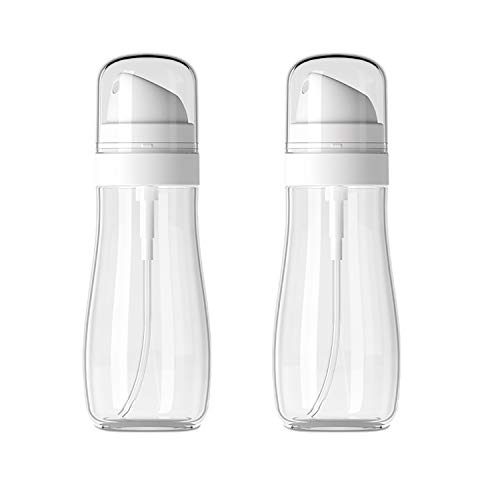
- Small spray bottle for alcohol sanitizer to clean scissors


Before You Start
Place the scissors on a clean, dry surface. Ensure the blade edge is closed and the tool is stable to prevent slips. Work in a well-ventilated area and away from heat sources. Keep alcohol away from children and flames. Expect a 5–10 minute prep window to allow the blades to dry completely after cleaning.
Step-By-Step: How To Clean Scissors With Alcohol
- Wipe down the exterior surfaces with an isopropyl alcohol wipe to remove loose debris.
- Apply a light mist of isopropyl alcohol 70% to the blade using a small spray bottle.
- Wipe along the blade edge from pivot to tip with a microfiber cloth to lift oils and residues.
- Gently rub the pivot area with an alcohol pad to disinfect hard-to-reach grooves.
- Wipe the screw and handle surfaces with a clean alcohol wipe to prevent corrosion.
- Dry the blades with a dry microfiber cloth to remove any remaining moisture.
- Inspect the edge for any residue; repeat cleaning on stubborn spots if needed.
- Store the cleaned scissors in a dry, ventilated area with blades closed to prevent dulling.
Troubleshooting
| Symptom | Likely Cause | Fix | Prevention |
|---|---|---|---|
| Blade still feels sticky | Residue from adhesives or oils | Rewipe with isopropyl alcohol and a fresh microfiber cloth | Clean after each heavy use; avoid contact with sticky substances |
| Rust spots | Moisture lingering on metal | Dry thoroughly; apply a light coat of lubricant if recommended for the material | Store in a dry area; avoid prolonged moisture exposure |
| Loose pivot | Wear or over-tightening | Check and adjust pivot screw; seek professional repair if wobble persists | Regular lubrication and gentle handling |
| Edge damage after cleaning | Over-aggressive rubbing | Use gentler strokes and a finer cloth; stop if edge appears dull | Use proper tools appropriate for blade material |
Common Mistakes
- Using too much liquid, which can seep into joints
- Wiping against the blade direction with heavy pressure
- Ignoring drying time, leading to rust or corrosion
- Cleaning while the scissors are hot or near flames
Tips For Best Results
- Pair alcohol cleaning with a quick oiling of pivot screws to reduce wear
- Choose a dedicated microfiber cloth for blades to avoid lint or fibers
- Test a small area first if blades are coated or decorative
- Label storage space to keep tools separate by use or material
Call A Professional
Consider consulting a professional if you notice persistent rust, pitting, bent blades, or a failed pivot that does not tighten. Do not attempt extensive disassembly or repair beyond basic cleaning, as improper reassembly can compromise safety and performance.
FAQ
Can I use any alcohol for cleaning scissors?
Isopropyl alcohol 70% is recommended for disinfecting blades and reducing moisture without excessive drying time.
Is it safe to spray alcohol directly on scissors?
Yes, in moderation and away from heat sources, followed by thorough drying.
How often should I clean scissors with alcohol?
After heavy use or when blades appear dull, sticky, or contaminated; routine cleaning after extended projects is common.
Will cleaning with alcohol damage the blade?
When used as directed and dried properly, alcohol should not damage most blades. Always follow manufacturer guidance for specialty materials.
Buying Guide
When selecting cleaning supplies for scissors, consider factors like size, material compatibility, and storage. Key buying factors include:
- Size and grip: Ensure cleaning tools and cloths fit comfortably in your hand and reach blade pivots.
- Alcohol strength: 70% is common for disinfection; higher concentrations dry faster but may be harsher on coatings.
- Type of wipes and pads: Alcohol wipes and prep pads for targeted cleaning, plus microfiber cloths for lint-free drying.
- Storage and safety: A closed, dry container with away-from-kids placement reduces accidental exposure.
- Spray feasibility: A small spray bottle offers quick application without over-saturating joints.
- Multi-tool compatibility: If using on specialty blades (e.g., non-stainless), verify compatibility with alcohol cleaners.
Interested in minimizing labor? Look for ready-to-use alcohol wipes or sprays with clear labeling. How you arrange your cleaning kit can save time and reduce risk of damage to delicate scissors.