Brassy tones can creep into blonde hair, giving it an orange or yellow cast that looks dull. With the right toning products and a simple routine, neutralizing brassiness can be quick and effective. This guide walks American readers through practical steps to restore cool, champagne, or platinum hues.
Quick Answer
Use a purple or blue-violet toning system to cancel warm tones, follow with a color-depositing conditioner for maintenance, and schedule regular toning sessions to keep brassiness at bay. Start with a targeted toner, then lock in the shade with a conditioner designed for brassy hair.
What You’ll Need
- purple toning shampoo for brassy blonde 8 oz
- ash blonde toner kit demi-permanent for brassy hair
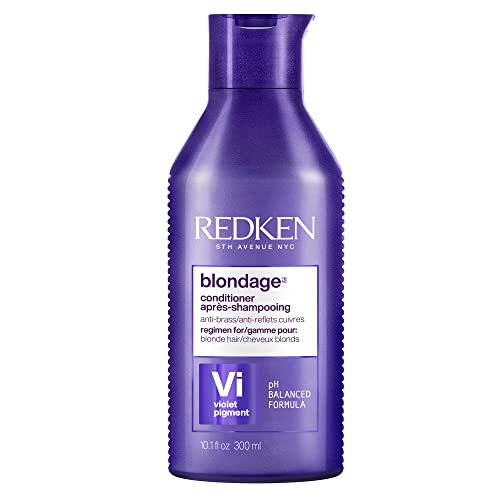
- purple color-depositing conditioner for brassy hair 16 oz
- blue-violet hair toner for brassy blonde 1 kit
- professional brassy hair toner kit for blonde hair


Before You Start
Assess your current shade: lighter blondes require gentler toners; darker blondes may need stronger formulas. Perform a patch test 48 hours before full application to avoid irritation. Protect skin around the hairline and wear gloves. If you have sensitive or recently chemically treated hair, proceed with caution and follow product instructions closely. Plan for a conditioning treatment afterward, especially if lifting or toning has been intense.
Critical cautions: do not mix toner products unless specifically instructed, and avoid overlapping toners with different base tones. Over-toning can lead to an undesired ashy or violet result. Time and product strength vary by brand, so monitor closely during processing.
Step-By-Step: How To Get Rid Of Brassy Blonde
- Wash hair with a gentle shampoo and towel-dry until damp, not dripping.
- Choose a primary toning method: a purple toning shampoo for maintenance or a demi-permanent ash blonde toner for a deeper correction.
- Apply the chosen toner or pigment evenly from roots to ends, using a comb to distribute.
- Leave on for the recommended time, typically 3–15 minutes depending on strength and desired tone.
- Rinse thoroughly with cool water to close the cuticle and lock in the tone.
- Apply a purple color-depositing conditioner to maintain the cool shade; leave as directed, usually 3–5 minutes.
- Rinse, then apply a nourishing conditioner or a sulfate-free leave-in treatment to protect moisture.
- Limit heat styling and use a color-safe heat protectant if styling is necessary.
- Schedule regular toning sessions every 1–3 weeks, adjusting frequency to maintain the level of brass removal desired.
- Alternate with a standard conditioner to prevent over-toning and maintain hair health.
- For stubborn brass, consider a blue-violet toner kit to target deeper warm tones and repeat as needed after a conditioning phase.
- Document results and timing to tailor future sessions to your hair’s response.
Troubleshooting
| Symptom | Likely Cause | Fix | Prevention |
|---|---|---|---|
| Hair looks purple or gray | Over-toning or too strong product | Rinse with clarifying shampoo and re-condition | Test on small strand first; follow time guidelines |
| Brass returns quickly after toning | Infrequent toning or porous hair | Increase toning frequency; use color-depositing conditioner | Use bonding or moisture-rich products to reduce porosity |
| Uneven color after treatment | Uneven application | Reapply focusing on lighter/warmer areas | Section hair and apply evenly |
| Dry, straw-like texture | Bleached or over-processed hair | Deep conditioning mask; reduce heat styling | Plan gentler sessions and weekly masks |
Common Mistakes
- Over-reliance on a single product and neglecting moisture
- Choosing the wrong base level (purple vs blue-violet) for your undertone
- Skipping a patch test or processing too long
- Using toners too frequently, leading to dull or gray hair
Tips For Best Results
- Alternate between toning products and regular, color-safe conditioners to maintain balance.
- Limit washing to 2–3 times per week when possible to preserve toning molecules.
- Use a UV protection spray to prevent color fade from sun exposure.
- For very porous hair, incorporate a bond-building treatment between toning sessions.
- Keep a hair color journal to track which products and timing deliver your preferred shade.
Call A Professional
Seek a pro if you notice extreme color shifts, persistent brass that resists at-home toning, or if the hair shows damage signs like excessive breakage or scalp irritation. Additionally, seek help when prior chemical services were uneven or if you are unsure about the correct shade to achieve your desired blonde tone.
FAQ
What causes brassy blonde hair?
Brassiness results from underlying warm tones in hair after bleaching or lightening, which can become visible as yellow or orange hues.
How often should I tone my blonde hair?
Most people tone every 1–3 weeks, depending on hair porosity and how quickly brass tones reappear.
Can I mix toners at home?
Mixing is not advised unless specified by the product; use the recommended formulations to avoid unintended results.
Is purple shampoo enough for brassy hair?
Purple shampoo helps maintain cool tones between deeper toning sessions but may not correct strong brass on its own.
How do I know which product is best for my hair?
Consider porosity, existing color level, and sensitivity; start with a gentler option and test on a small strand.
Buying Guide
When selecting products to combat brassy blonde, consider several factors to suit American hair types and routines:
- Size and packaging: 8 oz or 1 kit options are common; choose based on frequency of use and travel needs.
- Color tone: Purple tones counter yellow brass; blue-violet tones counter orange brass. A combined system can address multiple brass levels.
- Formulation: Demi-permanent toners offer adjustable deposit and conditioning; purple color-depositing conditioners provide ongoing maintenance.
- Porosity compatibility: Highly porous hair benefits from strengthened bond-building formulas and rich conditioning.
- Processing time: Shorter times are gentler; longer times provide deeper correction but require monitoring.
- Maintenance plan: Regular toning cycles and moisture treatments ensure lasting results.
- Placement considerations: Printed instructions vary by product; follow suggested usage around roots and mid-lengths to avoid over-toning at the scalp.
For best results, readers can balance a primary toning product with a color-depositing conditioner, and plan routines around hair health. If the shade drift persists, trial a blue-violet toner kit to neutralize stubborn warm tones. Always read individual product instructions for safety and expected outcomes.