Sliding glass doors bring bright light and a sense of openness to a room, but the glass can show smudges and streaks if cleaning isn’t done with the right approach. This guide explains a practical method using common tools and a step-by-step routine to achieve streak-free glass on sliding doors in American homes.
By following these steps, homeowners can reduce spots, glare, and film on doors, improving both appearance and visibility. The process emphasizes gentle cleaning, proper drying, and the strategic use of microfibers and squeegees to prevent residue.
Quick Answer
Goal: remove dirt, oils, and water marks without leaving streaks. Use a two-pass method: wash with a mild cleaner, then dry with a microfiber pad or squeegee for a crystal-clear finish. Consistency matters—clean when doors are cool and out of direct sunlight.
What You’ll Need
- streak-free window squeegee kit for sliding glass doors
- extendable window cleaning pole with squeegee for glass doors
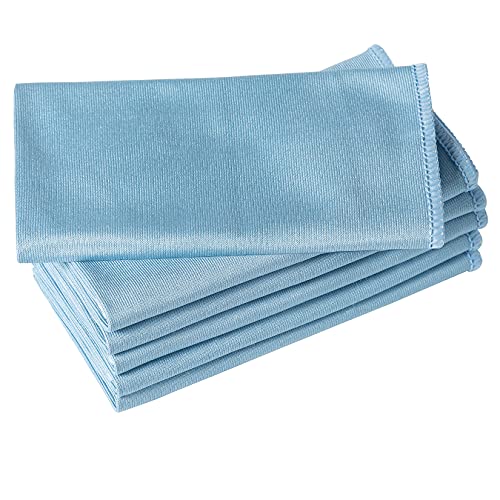
- microfiber cloth set for glass cleaning streak-free windows and doors
- sliding glass door cleaning kit with squeegee and microfiber pad
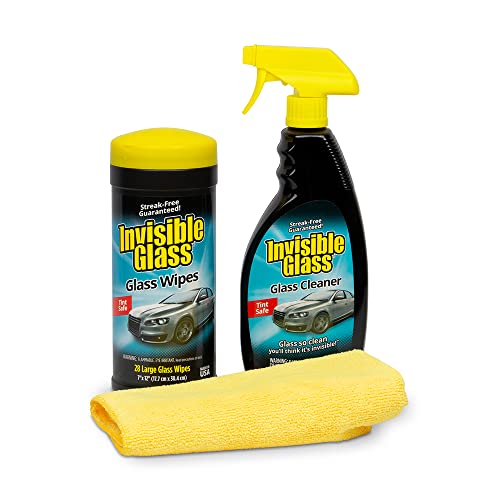
- glass cleaning spray and microfiber cloth duo for streak-free doors

Before You Start
Prepare the area by removing heavy objec ts from the door track to avoid debris transfer. Use a soft brush or vacuum to clear dust from tracks and frames. For safety, wear gloves if you have sensitive skin, and ensure the door is unlocked during cleaning. Time estimate: 15–30 minutes for a standard door, longer for heavily soiled glass. Avoid using abrasive cleaners or rough tools that can scratch glass.
Step-By-Step: How To Clean Sliding Glass Doors Without Streaks
- Dust and pre-rinse: Wipe away loose dust with a microfiber cloth, then lightly rinse to remove surface grime.
- Apply cleaner: Spray a mild, ammonia-free glass cleaner or a vinegar-water solution onto the glass or onto a microfiber cloth. Avoid spraying directly onto the tracks to prevent pooling.
- Wipe in sections: Use a cross-hatch or circular motion to lift oils and fingerprints evenly across the entire panel.
- First dry pass: Use a microfiber pad or the dry edge of a microfiber cloth to remove most of the moisture and residues in straight vertical or horizontal strokes.
- Rinse as needed: If you see new streaks forming, wipe with a clean, damp microfiber cloth to remove mineral build-up from cleaning solutions.
- Final dry pass with squeegee: Use a quality squeegee mounted on the extendable pole or a handheld squeegee. Start at the top and pull downward in a single smooth stroke. Wipe the blade edge after each pass.
- Edge cleanup: Pay attention to the bottom edge and corners where water tends to collect; use a microfiber cloth to dry these areas.
- Window seal care: With a clean cloth, wipe the door seals gently to prevent moisture from dragging dust into the glass later.
- Polish touch-ups: Use a dry microfiber cloth to buff any remaining streaks in a back-and-forth motion until the glass gleams.
- Track maintenance: Inspect the track for residue. If necessary, wipe with a damp cloth and dry thoroughly to keep doors sliding smoothly.
- Final check: View the glass from different angles and lighting to confirm streak-free results; touch up any problem spots with a small amount of cleaner and a microfiber pad.
Troubleshooting
| Symptom | Likely Cause | Fix | Prevention |
|---|---|---|---|
| Streaks across the glass | Residue from cleaner or improper drying | Switch to a lint-free microfiber cloth; use a clean squeegee blade; dry in straight passes | Clean the squeegee blade after every pass |
| Cloudy appearance after cleaning | Tap water minerals or soap residue | Rinse glass with distilled water or wipe with a damp microfiber cloth using plain water | Dry promptly after rinsing |
| Streaks only near edges | Water pooling along seals or tracks | Dry edges thoroughly with cloth; ensure tracks are free of debris | Wipe edges after each cleaning |
| Soft scratches visible | Abrasive cleaners or rough towels used | Switch to non-abrasive microfiber; avoid paper towels | Test cleaner on a small area first |
Common Mistakes
- Using harsh cleaners that leave a film or etch glass over time.
- Wiping in circles rather than straight lines when using a squeegee.
- Cleaning in direct sunlight which causes rapid drying and streaks.
- Neglecting to dry the edges and tracks, leading to water spots on a repeat clean.
Tips For Best Results
- Choose a cool, shaded time of day to clean sliding glass doors to reduce streaks caused by rapid drying.
- Keep a dedicated microfiber cloth and squeegee on hand to avoid reintroducing dirt from other surfaces.
- Rinse the squeegee blade with water after each vertical stroke to prevent streaks from leftover cleaner.
- Use a two-towel method: one damp for washing, one dry for drying and buffing.
- If you have hard water, consider using distilled water for the final rinse to reduce mineral deposits.
Call A Professional
Contact a professional if the glass is heavily etched, has deep scratches, or if persistent staining resists standard cleaning methods. Seek help for doors that do not slide smoothly, as mechanical issues can worsen with improper maintenance. If you notice mold growth around frames or tracks, a pro may be needed for safe cleaning and repair.
FAQ
What is the best tool for streak-free sliding glass doors?
The combination of a streak-free squeegee kit and a microfiber cloth set provides the most consistent results on glass doors.
Can I use vinegar on tinted glass?
Yes, in a diluted form, but test a hidden area first to ensure no adverse effect on the tint.
How often should sliding glass doors be cleaned?
Clean depending on use and location; a monthly sweep can be adequate for low-traffic doors, with more frequent cleaning in high-traffic or sunny spaces.
Is it necessary to clean the tracks?
Yes. Debris in the tracks can transfer to glass during cleaning and affect door operation.
What should I do if streaks persist after cleaning?
Reassess the cleaner, ensure drying is complete, and consider a mineral-free rinse with a microfiber pad designed for glass surfaces.
Buying Guide
Choosing the right tools for cleaning sliding glass doors depends on several factors. Consider the size of the door, how often you clean, and whether you prefer a pivoting squeegee or a fixed blade. Noise level and energy efficiency are less of a concern for cleaning tools, but ease of use matters for frequent use. Look for a kit that includes a sturdy squeegee blade, an extendable pole for hard-to-reach areas, and a microfiber cloth set designed for streak-free windows and doors. A dedicated glass cleaning spray can complement microfibers, but ensure it’s ammonia-free to prevent residue. Placement of the squeegee—whether on a pole or handheld—should match your typical cleaning posture to avoid strain. For homes with multiple glass doors, consider a kit that allows interchange with a replacement blade and pad so the same system works across different doors.
When comparing options, ask these questions: Do you need an extendable pole for high doors or narrow frames? Is the microfiber kit comprehensive enough to cover both glass and tracks? Are the included cleaning solutions gentle on coatings but effective against fingerprints and smudges? By evaluating these factors, homeowners can choose a system that yields consistently streak-free results with less effort.