Bleach stains can be a common wardrobe frustration, from accidental spills to sun-bleached patches. While some stains are permanent, there are practical methods and products that can restore appearance or conceal damage. This guide explains reliable steps and tools suitable for most household fabrics, with safe options for different materials and colors.
The following sections provide a hands-on, step-by-step approach to treating bleach stains using commonly available products. Read through all steps before starting, and test any method on an inconspicuous area first to avoid further damage.
Quick Answer
Act quickly by blotting the area, then use a color-safe dye pen or fabric touch-up dye pen to color-match the surrounding fabric. If the stain is extensive or color cannot be matched, apply an oxygen-based stain remover powder kit or a dedicated stain removal kit designed for bleach stains, following product instructions.
What You’ll Need
- Fabric dye pen for bleach stain repair
- Color-safe stain remover pen for bleach damage
- Stain removal kit for bleach stains on fabric
- Fabric touch-up dye pen to cover bleach marks
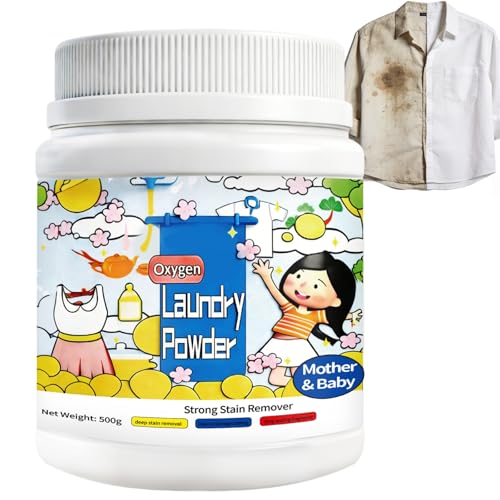
- Oxygen-based stain remover powder kit for fabrics

Before You Start
Inspect fabric type and care label to determine suitable treatment. Perform a spot test on an inconspicuous seam or hem with any dye or stain remover product. Protect surrounding areas with a clean cloth or plastic wrap. Work in a well-ventilated area and follow all product instructions. Time estimates vary: most spot treatments take 5–30 minutes for application, plus drying time, while dye-based repairs may require 24 hours for full color setting. Critical cautions: avoid heat on vulnerable fabrics during dye or stain removal; some materials may not respond to color restoration.
Step-By-Step: How To Repair Bleach Stains On Fabric
- Assess the stain: determine color difference, fabric type, and whether patching or dyeing is appropriate.
- Blot away moisture: gently dab with a clean cloth to remove any remaining liquid without spreading the stain.
- Test color-match: on an inconspicuous area, apply a small amount of dye pen or color-safe dye to gauge how closely it matches the fabric.
- Apply fabric dye pen for bleach stain repair: carefully color the affected area, following the grain of the fabric and applying multiple light layers as needed.
- Blend and set: use a fine brush or sponge to blend edges into surrounding fabric; allow the dye to dry per product directions.
- Use a color-safe stain remover pen for bleach damage: if color needs brighter correction or fading is visible, apply as directed to even out tone.
- Wash gently: launder the item according to care label using a mild detergent to remove excess product and set the color.
- Check results: air-dry the fabric and inspect; repeat dyeing or touch-up as necessary, ensuring even color.
- For larger or stubborn stains: try an oxygen-based stain remover powder kit for fabrics, following the package directions to lift or minimize discoloration.
- Finish with a final rinse and dry: ensure no residue remains and the fabric is completely dry before wear or storage.
Troubleshooting
| Symptom | Likely Cause | Fix | Prevention |
|---|---|---|---|
| Color mismatch after repair | Inadequate blending or dye shade | Reapply dye pen in thin layers; blend edges carefully | Test shade on a hidden area first |
| Bleach stain remains visible | Stubborn discoloration or fabric damage | Try oxygen-based stain remover powder kit; re-dye as needed | Act quickly; avoid using strong cleaners on delicate fabrics |
| Color transfer to other fabrics | Excess dye or improper setting | Rinse immediately and wash separately | Follow dye product directions precisely |
| Fabric texture affected (stiffness, roughness) | Overuse of dye or remover products | Rinse thoroughly and launder with fabric conditioner if safe | Use the minimal effective amount |
Common Mistakes
- Trying to cover a bleach stain with a patch or patch dye without blending
- Choosing a dye shade that’s too dark or too light for the fabric
- Overapplying chemical stain removers, causing fabric damage
- Skipping a test patch on an unseen area
Correcting a bleach stain often requires patience and careful layering of products. Rushing the process can worsen color imbalance or fabric damage.
Tips For Best Results
- Work in natural light to judge color accuracy.
- Follow product instructions for drying times and heat exposure.
- Use multiple thin layers rather than a single heavy application when dyeing.
- Keep a small, color-matched dye pen on hand for quick spot fixes in the future.
Call A Professional
Consider professional help if the fabric is expensive, irreplaceable, or the stain covers a large area. Stop-and-go dye projects may produce uneven results on silk, wool, or leather. If the fabric label prohibits dyeing or chemical treatments, seek a dry cleaner or textile restoration specialist.
FAQ
Can bleach stains be fully removed from fabric?
Many bleach stains are permanent and cannot be fully restored to the original color, especially on dark fabrics.
Will dye pens work on all fabrics?
Dye pens work best on natural fibers like cotton or linen; synthetic fabrics may require different approaches.
Are stain removers safe for colors?
Color-safe stain removers are designed to minimize color loss, but always test on a hidden area first.
How long should I wait after applying dye before washing?
Follow the product directions; typically 12–24 hours are needed for dye to set, then wash according to care labels.
Buying Guide
The buying guide helps compare products that address bleach-related fabric issues. Consider key factors like color compatibility, fabric type, and stain severity. Which product do you need most—color matching dye pens for quick fixes or more robust stain removal kits for tough discoloration? Smaller, casual repairs often benefit from a dye pen combined with a color-safe stain remover pen. For larger areas or repeated issues, an oxygen-based stain remover powder kit can provide stronger lifting power. Always align products with fabric care labels and test on hidden areas before full application.
Key Buying Factors
- Size and coverage: pen tools are convenient for spot repairs; powder kits cover larger areas.
- Color matching: choosing the right shade is crucial for blending with the fabric color.
- Fabric compatibility: natural fibers often respond better to dyeing than synthetics.
- Stain type compatibility: some products target dye-like stains, others lift mineral bleaches.
- Ease of use: consider whether you prefer quick touch-ups or more thorough restoration.
- Drying and setting: ensure proper setting time to prevent color bleed or transfer.
- Placement and storage: keep products in a cool, dry place away from children.
Having the right tools simplifies the process of managing bleach stains. With the combination of color-mixing dye pens, stain removers, and oxygen-based powders, most household fabrics can regain a refreshed appearance without professional intervention.