Bacterial blooms in freshwater aquariums can cloud water and disrupt the balance of a lightly cycled tank. This guide outlines practical, step-by-step methods using common aquarium care products to safely reduce bacterial blooms and maintain clear, healthy water for fish and plants.
By following a structured approach that includes proper testing, conditioning, and filtration, hobbyists can minimize bloom incidents and prevent recurrences. The focus is on using readily available tools such as test kits, water conditioners, UV sterilization, and biological media to restore water quality without stressing aquatic life.
Quick Answer
Address bacterial blooms quickly by testing water for ammonia, nitrite, and nitrate, then perform water changes with a quality water conditioner, and boost filtration with biological media. For persistent blooms, consider an inline UV sterilizer and verify flow through the filter to ensure good circulation.
What You’ll Need
- Freshwater aquarium water test kit master
- Ammonia nitrite nitrate test strips for aquarium
- Aquarium water conditioner dechlorinator
- Aquarium UV sterilizer inline 9W
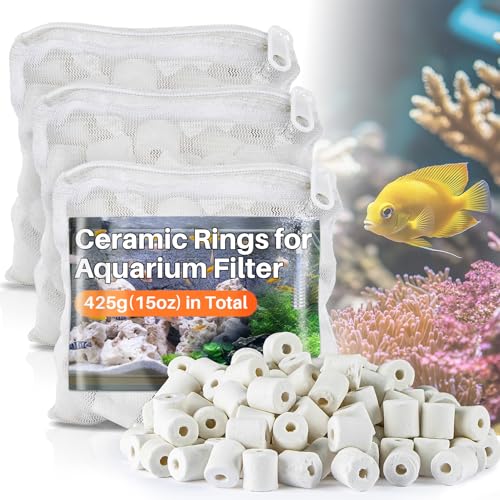
- Biological filter media ceramic rings for aquariums


Before You Start
Assess the tank size, population, and filter capacity. Begin with partial water changes and test results to establish baseline conditions. Safety first—avoid overstocking and overfeeding, which worsen bacterial blooms. Plan for a water change window of 15–30 minutes and ensure new water is dechlorinated and at the correct temperature.
Step-By-Step: How To Get Rid Of A Bacterial Bloom
- Run an immediate water test with the freshwater test kit master and the ammonia nitrite nitrate test strips to confirm elevated nutrients.
- Perform a partial water change of 25–50% using dechlorinated, temperature-matched water to dilute the bloom-causing compounds.
- Add aquarium water conditioner dechlorinator to the new water and directly to the tank as needed per label directions.
- Turn on or upgrade the biological filtration by ensuring ceramic rings are properly installed in the filter to foster beneficial bacteria growth.
- Install or activate the aquarium UV sterilizer inline 9W if the bloom persists, improving microbial control in the water column.
- Gently skim or siphon the upper water layer to remove surface scum or debris that can harbor bacteria and reduce oxygen exchange.
- Check aquarium temperature and aeration; increase surface agitation if needed to improve gas exchange and discourage anaerobic microenvironments.
- Feed sparingly and stagger feeding to avoid excess nutrients that feed bacterial growth.
- Resample the water after 24–48 hours and monitor ammonia, nitrite, and nitrate levels to confirm improvement.
- Inspect the filter media for clogging; rinse media in old tank water (not tap water) to preserve beneficial bacteria if cleaning is necessary.
- Continue regular maintenance and gradual adjustments to reduce the likelihood of recurrence, including scheduled water changes and testing.
Troubleshooting
| Symptom | Likely Cause | Fix | Prevention |
|---|---|---|---|
| Cloudy water returns after a water change | New bloom forming due to excess nutrients | Perform another partial water change, recheck feeding habits | Regular maintenance, avoid overfeeding |
| High ammonia detected | Insufficient beneficial bacteria or overstocking | Add conditioner, consider bio-media expansion | Don’t overstock; maintain bio-load balance |
| Low oxygen levels | Poor water circulation or overgrowth | Increase aeration; verify filter flow | Ensure adequate surface agitation |
| Bloom recurs after UV off | Microbial instability | Keep UV on a regular schedule during vulnerable periods | Steady filtration and water chemistry |
Common Mistakes
- Ignore test results and assume all blooms are the same type of problem
- Rely solely on chemical additives without addressing underlying causes
- Over-cleaning filter media, removing beneficial bacteria
- Overfeeding or adding new fish during a bloom event
Tips For Best Results
- Keep a routine of regular water testing to detect changes early
- Use the UV sterilizer inline 9W during bloom-prone periods for proactive control
- Maintain stable temperature and consistent lighting to minimize stress on aquarium inhabitants
- Schedule gradual water changes instead of large sudden shifts
Call A Professional
Consider expert help if:
- Water parameters remain out of range after several changes
- There is persistent fish distress or unusual behavior
- You’re unsure how to safely handle chemical treatments or UV equipment
FAQ
What is a bacterial bloom in an aquarium?
A sudden increase in free-floating bacteria causing cloudy water, often tied to excess nutrients or a recent aging of the tank.
Will a UV sterilizer solve a bacterial bloom?
Yes, a UV sterilizer can reduce free-floating bacteria and improve water clarity, especially when paired with good filtration.
How often should I test water during a bloom?
Test daily or every 24–48 hours until parameters stabilize.
Can I restart the tank after a bloom?
Yes, but proceed with cautious steps: test water, perform changes, and monitor fish closely during reintroduction of stability.
Buying Guide
When selecting equipment to manage bacterial blooms, consider several buying factors to ensure long-term success.
- Tank size and bio-load: Match filtration capacity and media to fish numbers and plant growth to prevent recurring blooms.
- Water test kit accuracy: Choose a master kit with clear instructions and reliable reagents for ammonia, nitrite, and nitrate.
- Dechlorinator and water conditioner: Look for products that neutralize chlorine and chloramines and support beneficial bacteria.
- Filtration media: Ceramic rings provide porous surfaces for bacteria; ensure compatibility with your filter model.
- UV sterilizer: Inline systems should fit your plumbed setup and deliver appropriate UV-C exposure for your tank size.
- Placement and noise: Consider tubing routing, proximity to living spaces, and noise levels when choosing a UV inline unit and filter.
- Energy usage: Check wattage and operating costs, especially for 24/7 sterilization in larger tanks.
- Ease of maintenance: Look for accessible media compartments and straightforward cleaning routines.
By aligning these factors with your tank’s needs and routine, you can minimize bacterial blooms and maintain clear, healthy water for aquatic life.