Cushions add comfort and style to living spaces, but they can accumulate dirt, spills, and odors over time. This practical guide walks American households through a clear, step-by-step process to clean cushions effectively using common tools and a few specialized products.
Whether your cushions are fabric, microfiber, or a blended upholstery, the methods below balance thorough cleaning with fabric care. Following these steps can help extend the life of cushions while keeping them looking fresh and inviting.
Quick Answer
Use a vacuum to remove surface debris, treat stains with a fabric cushion stain remover spray, and clean with an appropriate upholstery cleaning machine for sofa cushions or a steam cleaner for upholstery fabrics. Dry thoroughly before use to prevent mold and odors.
What You’ll Need
- Steam cleaner for upholstery fabrics
- Upholstery cleaning machine for sofa cushions
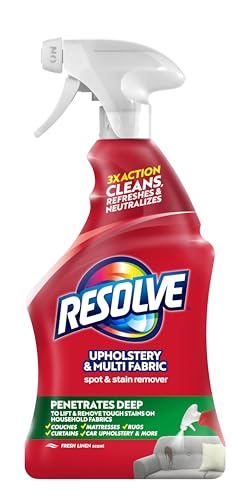
- Fabric cushion stain remover spray
- Cushion cleaning brush upholstery kit
- Vacuum attachment upholstery tool for sofa cushions


Before You Start
Check fabric care labels on cushions for any restrictions or cleaning codes (W, S, WS, or X). Always test a small hidden area first to ensure colorfastness. Work in a well-ventilated area and allow adequate drying time—often 2–6 hours, or longer for dense cushions. Avoid saturating cushions to prevent fiber distortion and mildew.
Step-By-Step: How To Clean Cushion Fabrics
- Remove cushion covers if detachable and launder according to care labels; air dry completely before reassembly.
- Vacuum the cushions using a upholstery tool to lift loose dirt and debris from seams and edges.
- Apply fabric cushion stain remover spray to any visible stains, following label instructions and allowing it to penetrate.
- Use the cushion cleaning brush upholstery kit to work the stain remover into fibers with gentle circular motions.
- For embedded soil, use a steam cleaner for upholstery fabrics or an upholstery cleaning machine for sofa cushions, following device directions and fabric compatibility.
- Rinse or extract as advised by the machine manufacturer to remove loosened dirt and cleaning agents.
- Place cushions in a well-ventilated area or outdoors if possible, flipping occasionally to promote even drying.
- Once fully dry, reinsert covers and fluff cushions to restore shape and loft.
Troubleshooting
| Symptom | Likely Cause | Fix | Prevention |
|---|---|---|---|
| Odd odor persists after cleaning | Moisture trapped inside | Increase airflow, use a fan, and extend drying time | Ensure cushions are thoroughly dried before use |
| Stain reappears after drying | Residual stain or improper treatment | Re-treat with stain remover following label and test area again | Address stains promptly with correct product |
| Fabric looks matted post-cleaning | Over-wetting or aggressive brushing | Gently re-brush fibers once dry to restore texture | Avoid harsh scrubbing |
| Color bleeding after wash | Non-colorfast dye | Stop cleaning and consult care instructions or a professional | Test on hidden area first |
Common Mistakes
- Over-wetting cushions, especially with non-washable fabrics
- Using household cleaners not designed for upholstery
- Not testing a hidden area before full cleaning
- Skipping thorough drying, leading to mildew
Tips For Best Results
– Always follow fabric care labels and device instructions. – Work in small sections to control moisture and avoid over-wetting. – Use a combination of vacuuming, stain treatment, and gentle agitation for best results. – If in doubt, consider a professional cleaning for delicate fabrics or heavily soiled cushions.
Call A Professional
Stop and seek professional help if cushions are antique, have delicate or fragile fabrics, or if stains are oil-based and stubborn. Seek immediate assistance for persistent odors, mold growth, or water damage, as these issues may require specialized equipment and expertise.
FAQ
Can I clean cushions without removing covers?
Yes, many cushions can be cleaned with intact covers using spot treatment and gentle cleaners, but always follow fabric care labels.
What temperatures are safe for cleaning cushions?
Use moderate temperatures and avoid high heat that could shrink fabrics. Follow product guidelines and care labels.
How long should cushions dry after cleaning?
Drying times vary by fabric and environment, but plan for at least several hours to full day for thorough drying.
Is a steam cleaner safe for all fabrics?
No. Check the fabric care code and device compatibility before proceeding with steam cleaning.
Should I wash cushion covers separately?
Yes, if covers are removable and machine washable, wash them separately according to care labels.
Is it okay to use a general spray cleaner on cushions?
Only if labeled safe for upholstery fabrics; otherwise, use a dedicated fabric cushion stain remover spray.
What if cushions are heavily soiled with pet stains?
Pet-related stains may require enzymatic cleaners or professional cleaning for best results.
Buying Guide
When choosing cushion-cleaning gear and products, consider size, noise level, energy efficiency, controls, and placement. A compact steam cleaner for upholstery fabrics may fit smaller spaces, while a larger upholstery cleaning machine handles dense cushions more quickly. Noise level matters for living rooms and bedrooms. Look for energy-efficient models and simple controls for ease of use. Placement within the home should allow for ample drying space and good ventilation. Compare options based on fabric compatibility, stain-removal strength, and accessory kits to ensure versatility across different cushion types.