Yellowing in cross stitch pieces is a common aging sign, often caused by exposure to light, sweat, and environmental pollutants. With careful steps, most yellowed areas can be lightened while preserving the integrity of the fabric and threads. This guide provides practical methods suitable for American homes and compatible with common embroidery fabrics.
Following a gentle approach is essential. The procedures below rely on common household supplies and specialized tools designed for delicate embroidery care. Readers should test any method on an inconspicuous corner of the fabric first and proceed slowly to avoid color loss or fiber damage.
Quick Answer
For minor yellowing, start with a mild, pH-neutral detergent and a gentle rinse, then air dry away from direct sun. For tougher stains, use non-chlorine fabric bleach in a well-ventilated area and rinse thoroughly. Always test a small area first and avoid chlorine bleach on natural fibers or colored floss.
What You’ll Need
- Oxygen bleach for delicate fabrics cross stitch embroidery
- pH neutral gentle laundry detergent for embroidery linens
- Non-chlorine fabric bleach for white cross stitch
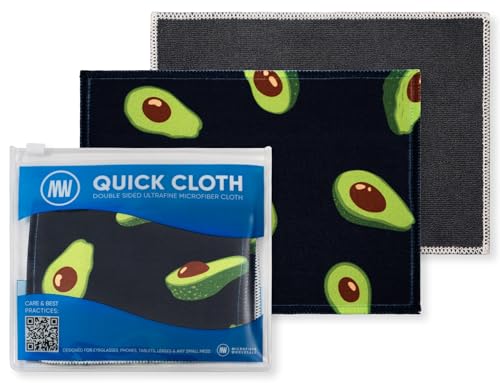
- Microfiber cleaning cloth for delicate embroidery fabric care
- Stain remover pen for embroidery fabric cross stitch

Before You Start
Prepare a clean, sink-sized workspace with lukewarm water. Confirm the fabric type (linen, Aida, or cotton) and floss material (cotton, silk, or polyester). Heat and harsh chemicals can damage fragile fibers, so avoid hot water and chlorine bleach unless specifically advised for white, bleach-safe fabrics. Never scrub aggressively; instead, dab and rinse gently. Plan for several short soaking or rinsing cycles rather than one long session, to monitor progress and prevent fiber stress.
Time estimate: 45–120 minutes for initial cleaning, plus drying time. If the piece is very delicate or valuable, consider professional conservation support.
Step-By-Step: How To Clean Yellowed Cross Stitch
- Inspect the fabric under good light to identify yellowed areas and any stains that may require targeting.
- Gently brush away loose dust with a soft brush or microfiber cloth to prevent rubbing dirt into fibers.
- Fill a clean basin with lukewarm water and add a small amount of pH neutral gentle laundry detergent for embroidery linens. Swirl to mix.
- Submerge the cross stitch piece and let it soak briefly, about 10–15 minutes. Do not soak colored floss in chlorine-containing solutions.
- For fabric with light yellowing, use a non-chlorine fabric bleach for white cross stitch according to product directions, ensuring you only apply to white or bleached fabrics as intended.
- Rinse thoroughly with clean, lukewarm water until no detergent residue remains. If yellowing persists, consider a second gentle rinse.
- For stubborn spots, apply a small amount of oxygen bleach for delicate fabrics cross stitch embroidery to the affected area and let it sit briefly, then rinse again.
- Pat dry with a clean towel and press with a low-heat iron on the reverse side if the fabric allows. Use a pressing cloth to protect threads and avoid direct heat on floss.
- Air-dry flat on a clean surface away from direct sunlight to prevent further color fading or distortion of stitches.
- Evaluate after drying. If remaining yellowing is noticeable, repeat the gentle cleaning cycle or consult a professional conservator.
- Store finished pieces in a cool, dark place, ideally in acid-free storage with breathable materials so moisture does not accumulate.
Troubleshooting
| Symptom | Likely Cause | Fix | Prevention |
|---|---|---|---|
| Streaks or uneven whitening | Uneven application or uneven soaking | Re-submerge and agitate gently, then rinse thoroughly | Test in a small area first; use even soaking |
| Fuzzy or frayed threads | Over-soaking or harsh brushing | Limit soaking time; avoid rubbing; use soft motions | Handle fabric gently; use minimal mechanical action |
| Color migration to white areas | Bleach exposure to colored floss | Cease bleaching on non-white areas; rinse immediately | Apply chemicals only to appropriate areas |
| Fabric stiffening after wash | Detergent residue or over-drying | Extra rinse cycles; gentle air-drying | Rinse well; avoid high heat during drying |
Common Mistakes
- Using chlorine bleach on white or colored fabrics unless specified for white fabrics.
- Prolonged soaking that loosens fibers or muddles floss color.
- Ignoring field tests on a hidden corner before full application.
- Rubbing aggressively, which can fray threads or distort stitches.
Tips For Best Results
- Always test any cleaner on a hidden area first to gauge colorfastness and fiber response.
- Use oxygen bleach for delicate fabrics cross stitch embroidery in short, monitored intervals to gently lift yellowing without harsh chemicals.
- Keep water lukewarm rather than hot, which helps preserve integrity while improving stain removal.
- Work with cool air and lay flat to dry; avoid direct sun to prevent yellowing from UV exposure.
- Consider washing the surrounding linens separately to prevent cross-contamination of colors.
Call A Professional
Seek expert help if the piece is antique, highly valuable, or contains dyes that might be sensitive to cleaning agents. Stop cleaning if the fabric shows fading, fraying, or color bleeding that worsens with treatment. When in doubt, a textile conservator or a professional embroidery restorer can provide tailored advice and safe restoration options.
FAQ
Can I use regular laundry detergent on yellowed cross stitch?
Yes, a pH neutral gentle laundry detergent for embroidery linens is preferred to avoid fiber damage and color loss.
Is chlorine bleach safe for white cross stitch?
Only if the fabric is confirmed to be bleach-safe white; otherwise, use non-chlorine bleach or oxygen-based options.
How long should I soak cross stitch to remove yellowing?
Short soaks, typically 10–15 minutes, are usually enough for mild yellowing, with additional cycles if needed.
What if the yellowing returns after washing?
Re-evaluate storage conditions, minimize UV exposure, and consider a second, careful cleansing cycle or professional advice.
Can I iron cross stitch after cleaning?
Yes, on the reverse side with a pressing cloth and low heat, to avoid direct contact with floss.
What should I store finished pieces in?
Cool, dark, and breathable storage with acid-free materials to prevent future yellowing and moisture damage.
Buying Guide
Choosing the right cleaning approach for yellowed cross stitch involves considering size, fabric type, and floss. Look for a kit that includes a gentle, pH-neutral detergent, a non-chlorine bleach option for white areas, and a safe oxygen-based cleaner for delicate fabrics. Pay attention to packaging instructions and recommended fabric types to ensure compatibility with embroidery linens and floss. Noise level is not a factor here, but ease of use and clear testing guidelines are essential.
Key buying factors include size and coverage—smaller pieces may require minimal quantities of cleaner and shorter soak times, while larger projects may benefit from a larger basin and multiple gentle rinses. Consider energy efficiency if you plan to machine-wash or use a washing setup, though most cross stitch care is hand-based. Controls should be simple to operate, with explicit instructions for different fabrics and floss types. For storage, choose breathable containers and acid-free backing that protect the project from light and humidity. Finally, assess the ability to customize cleaning intensity for delicate fibers versus sturdy cotton or linen. Would you benefit from a bundled set that clearly labels each product’s ideal use in cross stitch care?