Bad odors can persist from everyday activities, pets, spoiled food, or moisture. This guide provides practical, science-based steps to neutralize smells safely using common household products and proven cleaning methods. The goal is to improve air quality, reduce lingering scents, and prevent reoccurrence in carpets, upholstery, kitchens, and storage areas.
Quick Answer
Identify the source and address it first. Ventilate the space, then use a combination of enzymatic cleaners for organic smells, charcoal absorbers for ongoing odor control, and baking soda for ongoing freshness. For persistent smells, use a dedicated odor spray in addition to cleaning affected fabrics.
What You’ll Need
The items listed below are commonly effective for a broad range of odors. The following tools and products emphasize enzyme-based cleaning and odor absorption to restore freshness.
- Enzyme odor remover spray 32 oz for carpets and upholstery
- Activated charcoal odor absorber bag 2-pack 1 lb each
- Pet urine odor eliminator enzymatic cleaner 1 gallon
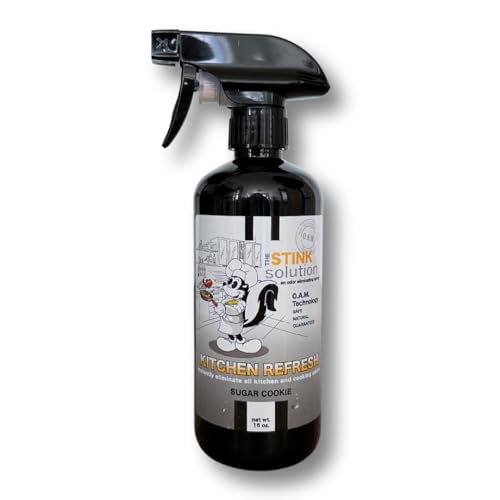
- Odor neutralizing spray for kitchen trash can 16 oz
- Baking soda deodorizer powder 5 lb for refrigerator and pantry


Before You Start
Before tackling odors, prepare the area and protect surfaces. Test cleaners on discreet fabric areas to ensure no discoloration. Ventilate by opening windows or using a fan. For time estimates, plan 2–6 hours for initial cleaning and deodorizing, with overnight airing for deeper odors. If anyone in the home has sensitivities or allergies, reduce exposure and wear a mask when applying powders or aerosols.
Step-By-Step: How To Get Rid Of Bad Smells
- Identify odor sources: check carpets, upholstery, pet areas, trash bins, refrigerators, and pantry spaces for visible spills or moisture.
- Ventilate thoroughly: open windows, run fans, and use air purifiers if available to move stale air out and bring fresh air in.
- Deep clean fabrics: spray enzyme odor remover spray on carpets and upholstery. Let it sit per label instructions, then blot or scrub with a soft brush. Enzymes break down organic compounds that cause odors.
- Treat pet-related smells: apply pet urine odor eliminator enzymatic cleaner to areas with urine, including carpets, carpets edges, and padding. Allow ample dwell time for enzymes to work before rinsing lightly or blotting up.
- Neutralize kitchen odors: spray a light mist of odor neutralizing spray for kitchen trash can inside bins and lids after emptying. Leave the lid open for a while to air out.
- Absorb lingering moisture and odors: place activated charcoal odor absorber bags in odor-prone areas, such as under sinks, in closets, and near trash cans. Replace every few months or as recommended by the product.
- Deodorize with baking soda: sprinkle baking soda deodorizer powder in refrigerators, freezers, and pantry shelves. Let sit for several hours or overnight, then vacuum or wipe clean to remove residue.
- Rinse and dry: after enzymatic treatments, lightly rinse surfaces if directed, then thoroughly dry to prevent mold growth, which itself can cause odors.
- Re-check and refresh: after the initial treatment, re-check areas within 24–72 hours. Re-apply cleaners to spots that still smell, and refresh with baking soda or charcoal if needed.
- Maintain air quality: consider routine cleaning and spot treatments to prevent odor buildup, and keep moisture under control to avoid musty smells.
- Disposal and storage: seal trash properly and use odor absorbers near bins; store pantry items in sealed containers to prevent off-odors from leaking.
- When to repeat: strong or persistent odors may require multiple treatments over several days. If a persistent problem remains, escalate cleaning strategies or seek professional help.
Troubleshooting
| Symptom | Likely Cause | Fix | Prevention |
|---|---|---|---|
| Smell lingers after cleaning | Organic residue remaining in fibers | Reapply enzymatic cleaner and increase dwell time | Address spills promptly; regular fabric cleaning |
| Musty odor in closet or basement | Moisture buildup | Use dehumidifier and charcoal absorbers; dry thoroughly | Improve ventilation; fix leaks |
| Trash can odor persists | Residual odors inside container | Clean with odor-neutralizing spray; use baking soda in can | Line with bags; rinse regularly |
| Food odors after pantry cleaning | Spilled foods or spoiled items | Completely wipe shelves; use baking soda for absorption | Store foods in sealed containers; rotate stock |
Common Mistakes
- Overusing strong-smelling sprays without ventilation, which can mask odors rather than remove them.
- Relying on a single product for all odor types; different odors require different approaches.
- Ignoring moisture sources that fuel odors, leading to recurring smells.
- Neglecting to test cleaners on delicate fabrics or surfaces.
Tips For Best Results
- Use enzyme-based cleaners for organic smells such as urine, food, and organic spills to break down odor-causing compounds.
- Absorb odors with activated charcoal where possible to reduce airborne molecules over time.
- Pair cleaners with regular cleaning routines: sweep, vacuum, and wipe down surfaces before deodorizing.
- For refrigerators and pantry areas, keep baking soda available to maintain a neutral aroma between cleanings.
- Schedule periodic deep cleanings in households with pets or high moisture to prevent odor buildup.
Call A Professional
Consider contacting a professional if any of the following apply: persistent pet odor after enzymatic treatment, widespread mold or mildew smells, or odors that recur despite repeated cleaning. Seek immediate help if there are signs of water intrusion or structural moisture, as these issues require specialized remediation.
FAQ
What is the most effective way to remove pet urine odors?
Use a pet urine odor eliminator enzymatic cleaner and apply it to the affected area, allowing sufficient dwell time for enzymes to break down organic compounds.
Can baking soda help with odors in the fridge?
Yes, baking soda sachets or a powder spread can absorb smells; replace every 1–3 months for best results.
Do charcoal odor absorbers remove odors permanently?
Charcoal absorbers reduce odors by trapping molecules but should be replenished or replaced over time for ongoing effectiveness.
Should I air out spaces after using sprays?
Yes, ventilating after applying cleaners improves safety and helps odors dissipate more quickly.
Are enzymatic cleaners safe for upholstery?
Most enzymatic cleaners are designed for fabrics, but always test on a hidden fiber area first and follow manufacturer directions.
How often should I repeat odor treatments?
Repeat as needed based on odor persistence; for strong odors, consider a second treatment within 24–72 hours.
Buying Guide
When selecting products to tackle odors, consider several factors to ensure effective deodorizing without damaging surfaces or fabrics.
Size and coverage: Larger bottles or gallon containers are cost-effective for frequent use, especially in homes with pets or multiple rooms. Choose products with clear coverage guidelines for carpets, upholstery, and hard surfaces.
Noise level and ease of use: Sprays and enzymatic cleaners should be easy to apply without heavy mixing. Quick-dry formulations reduce downtime and downtime-related odors.
Energy efficiency: Not directly applicable to odor products, but using spray-and-wipe methods minimizes energy use by reducing cleaning time and equipment usage.
Controls and safety: Look for child- and pet-safe formulations, clear labeling, and ingredient disclosure. Avoid products with harsh solvents if sensitivity is a concern.
Placement and storage: Store in a cool, dry place away from food; ensure heavy items are secured to prevent spills. Place odor absorbers in problem spots like near bins, under sinks, and in closets.
Multiple-use vs. specialty: For households with pets, a combination of enzymatic cleaners, odor sprays, and activated charcoal absorbers provides broad coverage. Specialty products may be necessary for persistent issues.
Brand considerations: Choose reputable brands with clear usage instructions and safety data. User reviews can offer practical insights into real-world effectiveness.