Wrestling mats require regular cleaning to maintain hygiene, prevent odors, and extend their lifespan. This guide provides practical, step-by-step instructions tailored to gym settings and home practice spaces, using proven cleaning products and tools designed for athletic mats.
Quick Answer
Clean wrestling mats with a two-step routine: remove visible debris, then disinfect and deodorize. Use a dedicated mat cleaner spray or an antibacterial disinfectant, followed by a thorough rinse or wipe-down to prevent residue. Dry mats completely before reuse to avoid slippery surfaces.
What You’ll Need
- wrestling mat cleaner spray antibacterial disinfectant 32 oz
- gym mat cleaner and sanitizer spray 64 oz
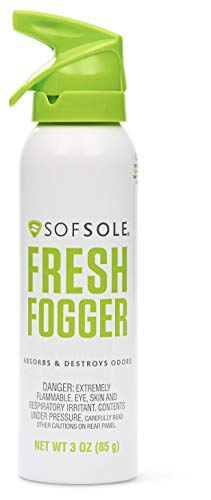
- athletic mat deodorizer spray wrestling gym
- industrial microfiber mop head for gym mats cleaning kit
- scrubbing brush set for wrestling mats non-slip grip


Before You Start
Prepare the area by removing nearby equipment and ensuring good ventilation. Test any cleaner on a small, inconspicuous mat spot to verify colorfastness. Allow extra time for drying, especially in humid environments. Keep cleaners away from children and pets, and never mix cleaning chemicals, which can create dangerous fumes. Plan for a total cleaning session of 20–40 minutes per mat, depending on size and condition.
Step-By-Step: How To Clean Wrestling Mats
- Clear the mat surface of all gear and debris, sweeping or using a broom to remove dust and hair.
- Prepare a cleaning solution by following label directions for your chosen mat cleaner or disinfectant.
- Moisten the industrial microfiber mop head with the cleaning solution, avoiding over-wetting to prevent pooling at seams.
- Spray a light mist of cleaner directly onto the mat, focusing on high-traffic zones and visible stains.
- Use the scrubbing brush set for stubborn spots, applying gentle, circular motions to lift soil without damaging the mat surface.
- Wipe the surface with a clean, damp microfiber cloth or mop head to remove residue and loosened dirt.
- Rinse or wipe again with a fresh damp cloth to ensure no cleaner remains on the mat, paying attention to seams and corners.
- Allow the mat to air-dry completely before rolling or using again; use fans if necessary to speed up drying.
- Apply an athletic mat deodorizer spray to neutralize odors and refresh the surface between deeper cleanings.
- Store cleaning tools in a dry area, keeping chemicals sealed and away from direct sunlight.
- Repeat the routine on a regular schedule (e.g., weekly in heavy-use facilities) and after any suspected contamination event.
- Evaluate any persistent stains or odors; consider a deeper cleaning or professional services if needed.
Troubleshooting
| Symptom | Likely Cause | Fix | Prevention |
|---|---|---|---|
| Lingering odor after cleaning | Inadequate deodorizing or residue buildup | Re-clean with mat cleaner and apply athletic deodorizer | Use deodorizer after every cleaning |
| Sticky surface post-cleaning | Excess cleaner left on mat | Rinse thoroughly with clean water and wipe dry | Follow label directions precisely |
| Discoloration or fading | Harsh cleaners or over-wetting | Switch to milder formula and reduce moisture | Spot-test first; use minimal solution on colors |
| Mat remains damp for hours | Poor ventilation or excessive moisture | Increase airflow and shorten cleaning solution dwell time | Clean during dry, warm conditions |
Common Mistakes
- Using household cleaners not designed for mats, which can leave harmful residues.
- Over-wetting the mat, causing water to seep into seams and backing.
- Skipping the drying step, leading to slippery surfaces and mold risk.
- Neglecting corners and edges where grime accumulates.
Tip: Always follow product labels for contact time, dilution, and safety precautions to maximize effectiveness and protect mats.
Tips For Best Results
- Establish a routine: deep clean monthly and light wipe-down after every training session.
- Use color-coded cleaning tools to prevent cross-contamination between different gym areas.
- Keep a small, dedicated spray bottle for quick touch-ups on the mat surface.
- Rotate mats periodically to evenly distribute wear and ensure consistent cleanliness.
- Store cleaners in a cool, ventilated area away from direct sunlight to preserve effectiveness.
Call A Professional
Consider professional services if the mat shows persistent staining, heavy mildew, or structural damage to the surface. Stop usage and contact a pro when you notice bubbling, cracking, or persistent foul odors that do not improve with routine cleaning.
FAQ
What is the best spray for cleaning wrestling mats?
Choose a mat-specific cleaner or antibacterial disinfectant designed for athletic surfaces, following the label for proper dilution and contact time.
How often should wrestling mats be disinfected?
Disinfect after heavy use days or when mats are visibly soiled; perform a routine cleaning at least once per week for high-traffic spaces.
Can I use a steam cleaner on wrestling mats?
Steam can damage certain mat materials; refer to manufacturer guidelines before using steam, and prefer approved chemical cleaners if steam is not recommended.
Are microfiber mop heads necessary?
Microfiber tools are highly effective at picking up fine particles and residues without excessive moisture, making them ideal for athletic mats.
Should I deodorize mats after cleaning?
Yes. A dedicated athletic deodorizer helps maintain a fresh gym environment between deep cleanings.
Buying Guide
When selecting cleaning products for wrestling mats, consider size, surface material, and usage frequency. Key buying factors include:
- Size and coverage: Choose cleaners and spray bottles sized for your total mat area. Large facilities benefit from 64 oz sprays for efficiency, while smaller spaces can use 32 oz bottles.
- Noise level and ease of use: Spray bottles with comfortable triggers and lightweight mops reduce fatigue during routine cleanings.
- Energy and environmental impact: Look for biodegradable or low-VOC formulas to minimize environmental impact and indoor air concerns.
- Controls and contact time: Read labels for dwell time and effectiveness across bacteria and odors. Simpler products save time, but ensure efficacy.
- Placement and storage: Store products in a cool, ventilated area away from direct sunlight; keep out of reach of children and pets.
- Compatibility: Verify compatibility with your mat’s material and colorfastness; perform colorfast tests before full application.
- Multi-use cleaners: Some products serve as both cleaners and sanitizers; this can streamline routines without compromising safety.
Is it worth investing in a complete cleaning kit for gym mats? In most facilities, yes, a cohesive kit reduces setup time and ensures consistent results. If your space hosts frequent classes or tournaments, a robust cleaning regimen with the right tools helps maintain hygiene, extend mat life, and foster a safe practice environment.