Wood railings add classic charm to porches and decks, but outdoor exposure means dirt, mildew, and weathering can dull their appearance. This guide provides practical steps, safe products, and pro tips to restore and maintain exterior wood railings without damaging the surrounding surfaces.
Quick Answer
For a fast refresh, spray a wood railing cleaner on the surface, scrub with a stiff bristle brush, rinse thoroughly, and apply a wood brightener if weathered. For tougher grime, use a deck cleaner concentrate safe for wooden railings and a pressure washer with a wood-safe nozzle on a low setting. Always protect nearby plants and reuse a soft cloth for final wipe-down.
What You’ll Need
The following tools and products are commonly used to clean exterior wood railings. Use the keywords below to guide your shopping.
- Wood railing cleaner spray for exterior wood
- Stiff bristle brush for outdoor wood railing cleaning
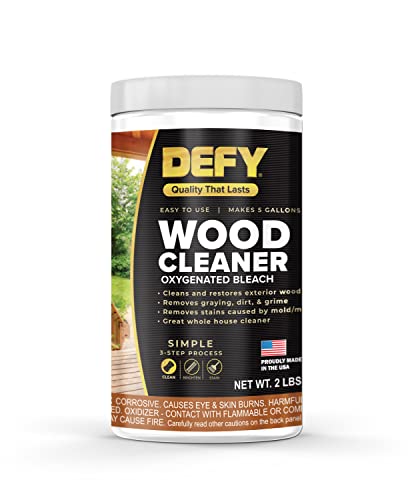
- Wood deck cleaner concentrate safe for wooden railings
- Wood brightener and cleaner kit for exterior railings
- Pressure washer with wood-safe nozzle for railing cleaning

Before You Start
Prepare the workspace by clearing the area and covering nearby plants or furniture. Test any product on a small, inconspicuous area to ensure it won’t discolor the wood. Wear safety gloves and eye protection, and ensure good ventilation if using any cleaner indoors. Plan for a window of time that allows thorough cleaning and drying, typically a few hours to a full day depending on weather. Critical cautions: avoid using harsh solvents near painted or stained surfaces that could strip finish; never mix cleaners with bleach or ammonia; use cold water rinse to prevent thermal shock to the wood.
Step-By-Step: How To Clean Wood Railing
- Inspect the railing for loose boards, splits, or nails and repair as needed before cleaning to prevent further damage.
- Choose a cleaning approach based on grime: light dirt with a spray cleaner, or heavy grime with a deck cleaner concentrate.
- Apply wood railing cleaner spray for exterior wood evenly across the railing, following label directions for dwell time.
- Scrub with a stiff bristle brush for outdoor wood railing cleaning, focusing on grooves, joints, and moldy areas.
- Rinse with a garden hose or a pressure washer with wood-safe nozzle for railing cleaning set to a low pressure to avoid gouging the wood.
- If discoloration persists, apply a wood deck cleaner concentrate safe for wooden railings and repeat brushing and rinsing as needed.
- Once clean, apply a wood brightener and cleaner kit for exterior railings to restore color and prepare the surface for sealant or stain.
- Allow the railing to dry completely, typically 24–48 hours depending on humidity and temperature.
- Inspect for any remaining stains and apply a touch-up cleaner or gentle scrub as necessary, then rinse again.
- If finishing, apply the chosen sealant or stain following manufacturer directions after thorough drying.
- Maintain by repeating this cleaning cycle every 1–2 years or as needed, especially in damp climates.
Troubleshooting
| Symptom | Likely Cause | Fix | Prevention |
|---|---|---|---|
| Discoloration remains after cleaning | Weathered or stained wood | Use wood brightener kit and repeat cleaning | Regular maintenance and sealant application |
| Fuzzy surface after cleaning | Mold or mildew layers | Apply a mold/mildew cleaner and scrub thoroughly | Keep railing dry; improve drainage |
| Wood fibers raised after rinse | High-pressure rinse or insufficient neutralization | Use lower pressure and re-rinse with clean water | Test pressure on a small area first |
| Finish peeling after cleaning | Cleaner not compatible with finish | Consult product compatibility and reapply appropriate finish | Follow finish manufacturer guidelines from the start |
Common Mistakes
- Using a high-pressure washer at close range, which can gouge or splinter wood
- Skipping a test patch on hidden areas before full application
- Over-wetting porous wood, causing long dry times or warping
- Mixing cleaners with bleach or ammonia, which is dangerous
- Neglecting to dry the railing before sealing or staining
Tips For Best Results
- Work on a sunny, dry day to ensure proper drying between steps
- Use a stiff bristle brush to avoid dulling the wood grain while cleaning
- Follow product labels for dwell time and dilution to maximize effectiveness
- Test any brightening product on a small section to confirm color restoration
- Consider sealing or staining after cleaning to protect against moisture and UV damage
Call A Professional
Contact a pro if the railing shows extensive structural damage, soft or spongy boards, or large cracks that require carpentry. Seek expert help if there is persistent mold growth despite cleaning, or if you plan a major refinishing project that involves sanding and staining across large sections.
FAQ
What is the best cleaner for exterior wood railings?
Choose a cleaner designed for exterior wood, such as a wood railing cleaner spray for exterior wood, or a wood deck cleaner concentrate safe for wooden railings, depending on stain severity.
Can I use a pressure washer on painted or stained railings?
Only if the finish is suitable for pressure washing; otherwise, use gentler cleaning methods to avoid peeling or damage.
How often should I clean outdoor wood railings?
In temperate climates, every 1–2 years is typical; in damp or coastal areas, more frequent cleaning may be beneficial.
Do I need to brighten wood after cleaning?
Brightening helps restore color and prepare for sealing. A wood brightener and cleaner kit for exterior railings aids this step.
Is it necessary to seal after cleaning?
Sealing is recommended to protect against moisture and UV damage after the wood dries.
Buying Guide
When choosing products for cleaning exterior wood railings, consider size of the railing, climate, and finish goals. For cleaners, balance effective cleaning with wood safety. Noise and energy usage are less relevant for cleaning tools, but if using a pressure washer, select a model with a wood-safe nozzle and adjustable PSI to prevent damage. Evaluate products by ease of use, dwell times, and whether a brightener or kit is included for color restoration. For placement, ensure cleaners won’t affect nearby plants or painted surfaces, and plan drainage away from the home.