Stained floor tiles can dull a room’s appearance, but with the right tools and a simple process, many stains come out without damaging the surface. This guide focuses on ceramic and porcelain floors and uses practical, American-friendly methods to restore their brightness.
From daily maintenance to deep cleaning, the steps below cover common stains such as spills, mineral deposits, and grime buildup. The approach combines manual scrubbing, steam-assisted cleaning, and targeted stain treatments for best results.
Quick Answer
Best overall approach: start with a gentle cleaning solution and a ceramic tile grout cleaning brush set, then progress to a rotating grout cleaning tool power scrubber or steam mop with grout brush attachment for tougher stains. For stubborn spots, use a tile stain remover kit and repeat as needed.
What You’ll Need
- electric grout cleaner brush cordless tile
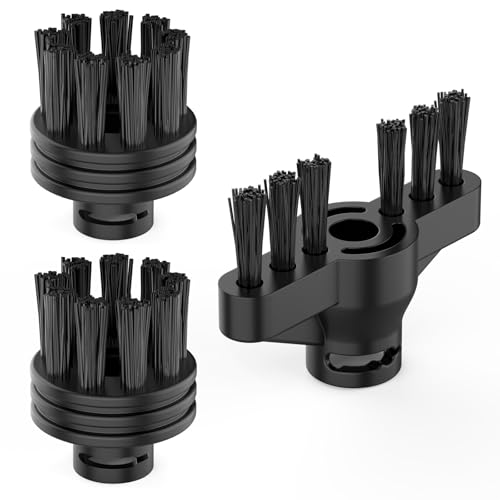
- steam mop with grout brush attachment
- tile stain remover kit for ceramic porcelain floors
- ceramic tile grout cleaning brush set
- rotating grout cleaning tool power scrubber


Before You Start
Assess tile type and finish before selecting cleaning agents. Use a small, inconspicuous area to test cleaners to prevent surface damage. Work in ventilation-friendly areas and wear gloves to protect skin. Allow time for grout to dry between cleaning passes, especially after applying stain removers. Typical prep time: 10–20 minutes; cleaning time varies by area.
Critical cautions: avoid acidic cleaners on marble or calc-susceptible grout; never mix chlorine bleach with ammonia; read manufacturer instructions on steam mops and scrubbers to prevent scalding or surface dulling.
Step-By-Step: How To Clean Stained Floor Tiles
- Clear the area and vacuum or sweep loose dirt from the tile surface and grout lines.
- Prepare a mild cleaning solution using warm water and a neutral pH tile cleaner. Apply to a small area and let sit for a few minutes to loosen grime.
- Use a ceramic tile grout cleaning brush set to scrub grout lines gently in a back-and-forth motion, focusing on stained sections.
- If stains persist, maneuver a rotating grout cleaning tool power scrubber to the grout with steady, even pressure. Avoid aggressive scrubbing to prevent grout damage.
- For tough stains, apply a tile stain remover kit for ceramic porcelain floors according to the instructions. Rinse and wipe clean with a damp microfiber cloth.
- Steam cleaning: run the steam mop with a grout brush attachment along the grout lines to lift embedded grime. Allow floors to dry completely before walking on them.
- Rinse the entire surface with clean water to remove cleaner residues. Dry with a microfiber towel to prevent water spots and streaks.
- Inspect for remaining stains. Repeat targeted treatments only on affected areas to avoid over-wetting.
- Seal grout if recommended for your tile type, following the sealant’s directions and allowing proper curing time.
- Schedule regular maintenance: sweep or vacuum daily, wipe spills promptly, and perform a deeper clean monthly.
Troubleshooting
| Symptom | Likely Cause | Fix | Prevention |
|---|---|---|---|
| Stains reappear after cleaning | Grout is deeply ingrained or porous | Apply tile stain remover kit again; consider sealing grout | Seal grout after cleaning; perform periodic sealing |
| Discoloration after using cleaners | Harsh chemical reaction with grout or glaze | Switch to a neutral pH cleaner; test in a corner first | Follow label directions; avoid mixing cleaners |
| Scratches on tile surface | Excessive scrubbing or abrasive products | Switch to non-abrasive pads; reduce pressure | Use soft brushes and microfiber cloths |
| Sticky residue after cleaning | Soap or cleaner residue | Rinse with clean water; wipe dry | Rinse thoroughly after cleaning sessions |
| Grout not drying evenly | Excess moisture during cleaning | Wipe excess moisture and increase ventilation | Open windows and run a fan during cleaning |
Common Mistakes
- Using acidic cleaners on grout or certain tile finishes, which can etch and erode grout joints.
- Over-wetting floors, especially porous grout, which can lead to warping or mold growth.
- Scrubbing aggressively with hard-bristle brushes that damage grout lines.
- Neglecting to rinse and dry after applying stain removers or cleaners.
- Skipping a test patch on a small area before full-area cleaning.
Tips For Best Results
- Work in sections to prevent cleaner drying before you can rinse it away.
- Combine mechanical scrubbing with chemical cleaners for stubborn stains, but follow safety guidelines.
- Choose tools that match tile and grout type; for narrow grout lines, compact brushes can be more effective.
- Keep a consistent maintenance rhythm: quick daily wipe-downs reduce deep-clean needs.
- When using steam, keep heads angled slightly away from the grout to avoid moisture buildup in walls or cabinets.
Call A Professional
If stains persist after multiple cleaning cycles or if grout damage is visible (cracking, crumbling), consider a professional service. Stop signs include persistent discoloration despite repeated treatments, significant grout deterioration, or suspected mold growth behind tile. A pro can assess grout sealing, determine the best stain-removal approach, and address water intrusion issues.
FAQ
Can I use bleach to clean stained tile grout?
Bleach can be effective on white or light grouts but may damage colored grout and some tile finishes. Always test first and dilute properly.
What is the best method for deep-cleaning ceramic tile grout?
Mechanical scrubbing with a dedicated grout brush or rotating scrubber combined with a compatible grout cleaner yields strong results.
Are steam mops safe for all tile floors?
Steam mops are generally safe for ceramic and porcelain tiles but may not be suitable for more delicate surfaces or unglazed tiles. Follow manufacturer guidelines.
How often should grout be sealed after cleaning?
Sealing grout typically occurs after a thorough cleaning and drying period, often every 1–2 years depending on usage and wear.
Buying Guide
When choosing tools for cleaning stained floor tiles, consider size, power, and compatibility with tile types.
- <bSize and reach: A compact electric grout cleaner brush or a cordless tile cleaner helps reach tight grout lines between tiles without bending over for long sessions.
- <bPower and torque: A rotating grout cleaning tool power scrubber offers more aggressive cleaning for heavy grime and mineral deposits.
- <bWater usage and ease of rinsing: Steam mops with grout brush attachments can reduce chemical needs but require careful ventilation and drying time.
- <bCleaner compatibility: Use neutral pH cleaners for daily maintenance and a stain remover kit for stubborn spots on ceramic or porcelain floors.
- <bNoise and energy efficiency: Look for cordless and low-noise models that fit homes with open floor plans and energy-conscious users.
- <bPlacement and ergonomics: Choose tools with comfortable handles and adjustable heads to clean floor edges and corners effectively.
By comparing options such as an electric grout cleaner brush cordless tile, a steam mop with grout brush attachment, and a rotating grout cleaning tool power scrubber, homeowners can tailor a cleaning routine to their floor material and stain severity. What combination best fits house layout, cleaning frequency, and user comfort? The right mix keeps tiles bright and grout resilient for years to come.