White watch bands can look pristine, but dirt, oils, and scuffs show quickly. This guide outlines a practical, at-home method using common tools and a measured approach to protect the band’s color and finish. The steps below emphasize safe cleaning for silicone and leather bands alike, with product-specific tips and safety notes to minimize wear.
Quick Answer
For most white watch bands, use a gentle cleaning routine with a soft brush, microfiber cloth, and a mild cleaning solution. Avoid harsh chemicals on leather, and limit moisture on metal clasps. Rinse and dry thoroughly after each cleaning to prevent residue and stickiness. If the band is heavily soiled or shows cracking, consider specialized cleaners or professional service.
What You’ll Need
- Ultrasonic cleaner for watches silicone band
- Soft bristle brush for watch band cleaning
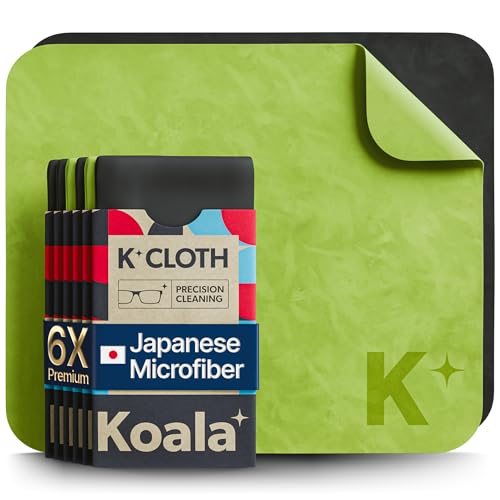
- Microfiber cleaning cloth for watches
- Watch band cleaning kit silicone leather included brush wipes
- Isopropyl alcohol wipes for watch band cleaning


Before You Start
Inspect the band for damage, such as cracks or worn color. For leather bands, excessive moisture can hasten wear, so limit saturation. If the band has a metal clasp, protect the watch case to prevent water contact with internal parts. Plan a cleaning session of about 15–30 minutes, depending on dirt level. Avoid solvents not listed here, and never use bleach or abrasives on any finish.
Step-By-Step: How To Clean A White Watch Band
- Remove the band from the watch to prevent moisture from entering the case and to make cleaning easier.
- Brush away loose dirt with the soft bristle brush for watch band cleaning, focusing on crevices and stiches.
- For silicone bands, mix a small amount of mild soap with warm water and dip the brush into the solution.
- Gently scrub the band with the brush, paying attention to both outer and inner surfaces.
- Rinse briefly with clean water to remove soap residue, ensuring water does not enter any openings in leather bands.
- Pat dry with a microfiber cleaning cloth, then air-dry fully before reattaching the band.
- If needed, use isopropyl alcohol wipes to tackle stubborn stains on silicone, wiping in a gentle, circular motion and allowing the band to dry.
- For leather bands, apply a tiny amount of leather-specific cleaner if recommended by the manufacturer, testing on a hidden area first.
- Reinspect the band for any remaining spots. Repeat only as needed to avoid over-wetting leather.
- Reattach the band and inspect fit and comfort after cleaning to ensure no moisture remains under the lugs.
- Store the watch in a dry, well-ventilated area until completely dry to prevent odor and mold formation.
- Consider a routine cleaning schedule: light weekly wipe-downs and deeper cleans every 1–2 months, depending on wear.
Troubleshooting
| Symptom | Likely Cause | Fix | Prevention |
|---|---|---|---|
| Stubborn stains remain after cleaning | Deep-set oils or dye transfer | Spot-clean with isopropyl wipes; repeat if needed | Clean regularly to prevent buildup |
| White band looks dull or discolored | Residue or oxidation | Thorough rinse and microfiber buffing | Rinse after every cleaning |
| Leather band feels sticky after water exposure | Over-wetting | Air-dry completely; avoid soaking | Minimize moisture and use leather-safe products |
| Color transfer from clothing | Friction with dye | Wash with gentle soap and dry in shade | Wear with colorfast fabrics |
Common Mistakes
- Using harsh chemicals or bleach on white bands
- Soaking leather bands in water or cleaners
- Using abrasive brushes that scratch surfaces
- Not drying the band completely before reattaching
These missteps can compromise finish, color, and band longevity. A gentle approach and proper drying are key to preserving a pristine appearance.
Tips For Best Results
- Do a quick wipe-down after workouts or exposure to sweat to keep white bands bright.
- Test cleaners on a small, inconspicuous area first, especially on leather.
- Use a dedicated microfiber cloth for drying to minimize lint transfer.
- Store bands away from direct sunlight to prevent yellowing or fading.
Call A Professional
Consider professional cleaning if the band has deep stains, persistent odor, or visible wear that could affect structural integrity. Seek expert help if the watch case or seals were exposed to moisture during cleaning, or if leather bands show deep cracking or moisture damage.
FAQ
Can I clean a silicone watch band with soap and water?
Yes, a mild soap with warm water is safe for silicone bands and helps lift oils.
Is it safe to use alcohol on leather watch bands?
Only if the manufacturer approves; otherwise avoid alcohol on leather as it can dry and crack.
How often should I clean my white watch band?
Light weekly wipe-downs are recommended; deeper cleaning every 1–2 months depending on usage.
Will cleaning damage the band’s color?
When done gently with appropriate products, color retention remains strong; harsh chemicals can lead to fading.
Buying Guide
When selecting cleaning tools and kits for a white watch band, consider size, material compatibility, and ease of use. A compact kit with a soft brush, microfiber cloth, and alcohol wipes covers most needs, especially for silicone and leather blends. Look for tools labeled safe for watch bands to prevent scratches or dye transfer. If the band uses a leather finish, choose products that are specifically designed for leather care. For frequent cleaning, an ultrasonic option can expedite a thorough refresh, but ensure it’s safe for your band’s material and the watch’s seals.