Couch pillows add comfort and style, but they can trap dirt, oils, and odors over time. A practical cleaning routine keeps them looking crisp and extends their life. This guide walks American homeowners through safe, effective methods to refresh pillow covers and inner cushions while protecting fabric and fillings.
Quick Answer
First, check care labels and test a hidden area with a mild cleaner. For light soil, use a vacuum with an upholstery attachment, followed by a fabric cleaner spray. For deeper stains, a steam cleaner or brush set can lift grime. Finish with a lint roller and air-dry in a ventilated space.
What You’ll Need
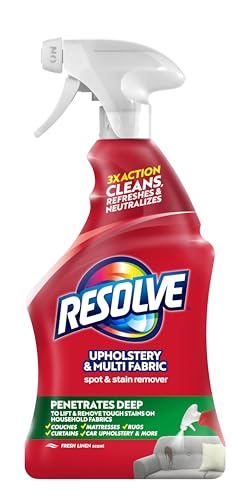
- Upholstery fabric cleaner spray for couch cushions
- Steam cleaner for upholstery furniture
- Upholstery cleaning brush set for couch cushions
- Lint roller for fabric couch cushions
- Vacuum attachment upholstery tool for sofa

Before You Start
Inspect pillow covers for colorfastness and care instructions. Remove pillow covers if possible, and launder according to fabric type. For non-removable covers, spot-clean cautiously. Test any cleaner in a discreet area to ensure there is no discoloration or fabric damage. Allow adequate drying time and consider sun exposure only if the fabric tolerates it. Plan for a total cleaning window of 1–3 hours, depending on the number of pillows and weather conditions.
Step-By-Step: How To Clean Couch Pillows
- Remove pillow covers if they are removable and washable. Check care labels for washing temperatures and cycle settings.
- Use a vacuum attachment upholstery tool for sofa to remove loose dust, pet hair, and crumbs from the pillow surface and seams.
- For light soil, lightly spray upholstery fabric cleaner spray for couch cushions on a clean cloth or sponge and blot the fabric. Avoid oversaturation.
- Gently scrub with an upholstery cleaning brush set for couch cushions, focusing on stained areas and seams. Work in the direction of the nap to prevent fiber damage.
- If stains persist, apply a small amount of cleaner directly and let it sit for the time recommended by the product label before blotting again with a clean cloth.
- For non-removable covers or persistent odors, consider a steam cleaner for upholstery furniture to lift soil and refresh fibers without soaking.
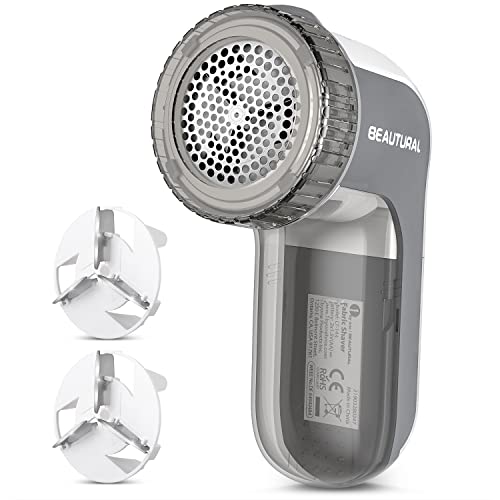
- Use the lint roller for fabric couch cushions to remove any remaining lint, pet hair, or dander after cleaning and drying.
- Allow pillow covers to air-dry completely. If possible, relocate pillows to a sunny, dry area with good airflow to speed up drying while avoiding direct heat that could shrink fabric.
- Reassemble and fluff pillows. Replace inserts if they have lost shape or become firm and flat over time.
- Perform a light vacuum once more after everything is dry to restore surface texture.
- Regular maintenance: vacuum weekly or biweekly and spot-clean stains promptly to prevent set-in marks.
Troubleshooting
| Symptom | Likely Cause | Fix | Prevention |
|---|---|---|---|
| Stubborn stain remains after cleaning | Stain penetration or color transfer | Reapply cleaner, repeat brushing, and consider a professional upholstery cleaner | Treat stains immediately; blot, don’t rub |
| Fading color after cleaning | Overuse of cleaner or heat exposure | Use less cleaner and air-dry away from direct sun or heat | Test patch before full application |
| Pillows still damp after drying | Insufficient airflow | Increase ventilation, use a fan, or move to a drier area | Avoid over-wetting and ensure even drying |
| Fabric feels stiff after cleaning | Residue from cleaners | Blot with a clean damp cloth to remove residue, then air-dry | Rinse lightly or choose a low-residue cleaner |
Common Mistakes
- Using bleach or high-pye cleaners on colored fabrics, which can cause fading.
- Soaking cushions without proper drying, leading to mildew or odors.
- Ignoring care labels, especially on delicate fabrics like velvet or linen blends.
- rubbing too aggressively, which can fray fibers and distort texture.
Tips For Best Results
- Always perform a patch test on a hidden area before full cleaning.
- Vacuum regularly to reduce buildup that can complicate stain removal.
- Use a fabric-specific cleaner rather than household cleaners for better results and fabric safety.
- When in doubt, opt for a professional cleaning service, especially for high-end or delicate fabrics.
Call A Professional
Seek professional help if a pillow cover is heavily stained, if color bleeding occurs, or if the fabric is delicate, such as silk or satin blends. Immediate professional intervention is advised for mold or persistent musty odors. If you notice seam damage, fraying, or padding deterioration, a pro can assess repair or replacement options to prevent further damage.
FAQ
Can I wash couch pillow covers in a regular washing machine?
Many pillow covers are machine washable, but always check care labels for temperature, cycle, and drying instructions. Use a gentle cycle and mild detergent.
Is steam cleaning safe for all couch fabrics?
Steam can be effective but may not suit delicate fabrics or those with water-sensitive finishes. Always test in a hidden area and follow equipment and fabric guidelines.
How often should I clean couch pillows?
A routine monthly surface clean and quarterly deep clean is common, with spot cleaning as needed to keep pillows looking fresh.
What about odor removal from pillows?
Ventilation and odor-neutralizing sprays designed for upholstery help. Baking soda can be sprinkled on covers, left briefly, and vacuumed off for minor odors.
Buying Guide
Choosing the right cleaning approach for couch pillows depends on several factors. Size matters for both pillow covers and inserts, as larger cushions may require more thorough cleaning methods or professional service. Consider the noise level and energy use of a steam cleaner or other cleaning tools if you plan frequent use, as quieter devices make at-home cleaning more practical. Energy efficiency and water usage should be balanced when selecting steam cleaners or multi-function machines. Controls should be simple to operate, with clear time and steam settings. Placement matters too—cleaning is easier when pillows can be removed from sofas and laid flat in a well-ventilated area. Compare products by their compatibility with upholstery fabrics, warranty coverage, and included accessories such as brush heads and vacuum attachments to minimize the need for extra tools.
If you’re choosing gear for ongoing care, think about how often you clean and which fabric types are in your home. Do you have pets or children with frequent spills? A versatile upholstery fabric cleaner spray for couch cushions paired with a quality upholstery cleaning brush set for couch cushions can cover most tasks. A reliable vacuum attachment upholstery tool for sofa helps maintain daily cleanliness, while a lint roller for fabric couch cushions is perfect for quick touch-ups. For deeper refreshment, a steam cleaner for upholstery furniture can rejuvenate fibers without soaking them, provided fabrics tolerate it. Finally, keep a stain-removal plan that aligns with the most common spills in your household to protect your investment over time.