White towels can stay plush and bright with a few proven cleaning steps. Properly treating fiber, avoiding color transfer, and selecting the right whitening boosters help maintain a clean, fresh look wash after wash. The following guide focuses on practical methods American households can use to keep white towels sparkling.
Quick Answer
For best results, pre-treat stains with an enzyme stain remover spray, run a hot wash with a non-chlorine bleach or hydrogen peroxide-based booster, and rinse thoroughly. Use washing soda as a booster for extra whitening, and dry towels completely to prevent musty odors.
What You’ll Need To Clean White Towels
Having the right supplies on hand makes whitening towels easier and more effective. Gather the following tools and products before you start.
- Oxygen bleach powder for white towels laundry booster 2 lb
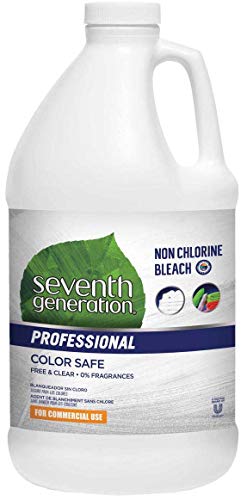
- Non-chlorine bleach liquid for white towels color-safe whitening 64 oz
- Enzyme stain remover spray for white towels coffee wine
- Laundry whitening booster for whites with hydrogen peroxide 1 gallon
- Washing soda booster for white towel whitening bulk


Before You Start
Prepare the washing area and towels by sorting whites from colors and checking care labels. Use hot water settings when fabrics tolerate it, as heat enhances whitening, but avoid settings that could shrink delicate towels. Safety cautions: wear gloves if you have sensitive skin, test colorfastness on a small area when using new products, and never mix bleach with ammonia or vinegar in the same load. Plan about 1.5 to 2 hours from prep to finish for a thorough whitening cycle including pre-treatment and multiple rinses.
Step-By-Step: How To Clean White Towels
- Sort towels by color and fabric type to avoid dye transfer or fiber damage.
- Inspect towels for stains; pre-treat visible spots with an enzyme stain remover spray, focusing on coffee or wine marks before washing.
- Run a cold rinse with a small amount of the enzyme stain remover to loosen soils, then wash on the hottest safe cycle for white cotton towels.
- Use an oxygen bleach powder or a hydrogen peroxide-based booster to boost whitening without chlorine bleach; choose the option that aligns with your care labels.
- Add washing soda booster to the washer to soften minerals and enhance stain removal. This helps with mineral buildup from hard water.
- Follow with a second rinse cycle to ensure all whitening boosters and residues are fully removed, preventing fabric yellowing over time.
- Dry towels completely on a high heat setting if the care labels permit; avoid over-drying to preserve fluffy fibers.
- For persistent stains, repeat the pre-treat and wash cycle, using the appropriate boosters as needed.
- Alternate boosters occasionally to prevent residue buildup and maintain fiber integrity over many washes.
- Store clean towels in a dry, well-ventilated area to prevent musty odors and mildew growth.
- If odors persist, run a maintenance wash with hot water and a small amount of booster, then air-dry completely.
- Periodically refresh towels with a full whitening cycle to keep fibers bright and absorbent.
Troubleshooting
| Symptom | Likely Cause | Fix | Prevention |
|---|---|---|---|
| Yellowing after multiple washes | Residue buildup or old stains | Run a booster wash with hydrogen peroxide and oxygen bleach; rewash | Use boosters in moderation and rinse thoroughly |
| Fading color in edges | Incorrect cycle or overexposure to heat | Use the appropriate cycle and lower heat on delicate edges | Follow care labels exactly |
| Musty odor | Incomplete drying or damp storage | Dry completely; store in a dry area | Ensure towels are fully dry before storage |
| Stains persist after washing | Stubborn stains, insufficient pre-treatment | Re-treat with enzyme spray and run a booster wash | Pre-treat stains promptly |
Common Mistakes To Avoid
- Using regular detergent alone on heavily stained towels
- Mixing bleach products with ammonia or vinegar
- Overloading the washer, which prevents effective cleaning and rinsing
- Using hot water on fabrics not rated for high temperatures
- Ignoring care labels, especially regarding drying temperatures
Tips For Best Results
- Alternate whitening boosters to prevent chemical buildup and maintain fabric integrity.
- Pre-treat stains as soon as possible for the best chance of removal.
- Use a dedicated rinse cycle after whitening to ensure no residue remains on towels.
- Consider running a maintenance wash once a month with a minimal amount of booster to prevent odor and buildup in the washer drum.
- Control water hardness with appropriate boosters if you notice mineral-related dullness.
Call A Professional
If towels show persistent dye residue after repeated whitening cycles or if fabrics develop unusual textures or holes, consult a professional cleaner or the towel manufacturer for care advice. Seek professional help if you notice color transfer between towels or persistent odors that resist standard washing methods.
FAQ
Can I use regular laundry detergent with whitening boosters on white towels?
Yes, but pair boosters with laundry detergent and follow care labels. Boosters help remove tough stains and maintain brightness.
Is hydrogen peroxide a safe alternative to chlorine bleach for whites?
Hydrogen peroxide-based boosters are generally safer for color-safe whites and fibers, reducing the risk of yellowing associated with chlorine bleach.
How often should I run a whitening cycle?
For heavily used towels, a whitening cycle every 4–6 weeks helps maintain brightness and prevent buildup.
What should I do if towels develop a sour odor after washing?
Ensure towels are completely dry after washing, and consider running a maintenance wash with a mild booster and hot water to remove residual moisture and odor.
Buying Guide
When choosing whitening products for white towels, consider several factors to maximize brightness and fiber longevity. The right combination of boosters, water temperature, and washing frequency matters for American households seeking efficient results.
Key buying factors
- Size and packaging: Choose boosters and cleaners that fit your load size; bulk options can be cost-effective for busy households.
- Whitening strength: Look for non-chlorine and hydrogen peroxide boosters if you prefer safer alternatives for whites.
- Versatility: Products that work on tough stains like coffee or wine are especially useful for towels used in kitchens and bathrooms.
- Compatibility: Verify compatibility with your washing machine (standard top-load, front-load) and fabric care labels.
- Ease of use: Clear directions and measured dosing reduce guesswork and improve results.
- Odor control: Some boosters also help with mildew prevention when towels sit between uses.
- Maintenance needs: Regular sachets or bulk liquids can simplify routine whitening without frequent shopping trips.
Placement considerations
- Store boosters in a cool, dry place away from children and pets.
- Keep detergents and whiteners separated to avoid accidental mixing.
- Label all containers clearly to prevent misuse and ensure correct dosing.
Keeping white towels bright involves a combination of proper washing practices and the right whitening boosters. With the right routine and products, households can enjoy consistently clean, fluffy towels that feel fresh and look pristine after every wash.