Cleaning a shower curtain helps reduce mildew, soap scum, and odors, keeping bathrooms fresh and hygienic. This guide outlines a practical, machine-based method that works for most plastic curtains and common liners, with safe detergents and helpful tools to make the job easier.
Quick Answer
Place the curtain in a mesh laundry bag, add a gentle detergent, and run a warm, gentle cycle. For stubborn stains, pre-soak or run an extra rinse. Always dry thoroughly to prevent mildew growth.
What You’ll Need
- Mesh laundry bag for washing shower curtains
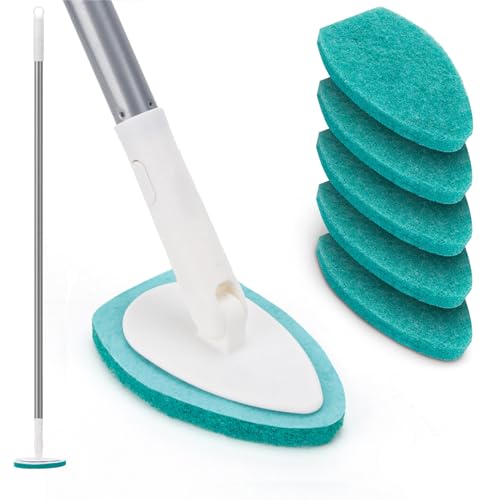
- Long-handle shower curtain cleaning brush
- Microfiber shower curtain scrubbing mitt
- Washing machine safe detergent for bathroom curtains
- PVC shower curtain liner cleaning kit


Before You Start
Check the curtain type—most PVC and vinyl liners tolerate machine washing, while cloth curtains may require gentler care or hand washing. Remove rings, hooks, and any metal hardware that could rust or damage the drum. Run a quick test cycle with a small item if you’re unsure about colors running. Use warm water rather than hot to minimize warping. Important: never wash a curtain with fabric towels in the same load if they may bleed color; this can transfer dye onto the curtain. Plan for an extra rinse if your water has high mineral content that can leave a residue.
Step-By-Step: How To Clean A Shower Curtain In The Washing Machine
- Remove the curtain from the rod and detach any hardware. If the curtain is heavily soiled, use the long-handle brush to loosen soap scum along the bottom edge before washing.
- Place the curtain and liner in a mesh laundry bag to prevent it from tangling or tearing during the wash cycle.
- Load door-side first into the washing machine to ensure even agitation and protect the curtain’s surface.
- Add a washing machine safe detergent for bathroom curtains. Use a small amount for a light load or medium soiling; avoid using bleach on colored curtains unless the label permits it.
- Set the cycle to warm water on a gentle or delicate setting. Add an extra rinse if your machine doesn’t automatically do so, to remove detergent residue and prevent streaks.
- Run the cycle and pause mid-way if you notice excessive suds; add a splash of warm water to help the cycle complete smoothly.
- When finished, remove the bag and hang the curtain to air-dry fully. If possible, place near a window or in a well-ventilated area to speed up drying and prevent mildew growth.
- For persistent mildew stains or scuffs, use the microfiber shower curtain scrubbing mitt or the long-handle brush while the curtain is damp, focusing on problem areas. Rinse and air-dry again after scrubbing.
- Inspect the liner once dry. If the liner shows stains or odors, repeat the wash with a gentle cycle and consider the PVC liner cleaning kit for targeted treatment.
- Reinstall the curtain and liner once completely dry. A properly dried curtain dries faster on the rod, reducing mildew risk between cleanings.
- Keep a routine by washing the curtain every month or when you notice buildup, using the mesh bag and gentle cycle to extend the curtain’s life.
Troubleshooting
| Symptom | Likely Cause | Fix | Prevention |
|---|---|---|---|
| Streaks or water spots after wash | Detergent residue | Run an extra rinse, use less detergent | Use recommended amount, choose a rinse-heavy cycle |
| Mildew smell remains | Insufficient drying | Air-dry completely; use a fan or dehumidifier | Dry promptly after each shower |
| Color bleed onto curtain | Washed with non-compatible fabrics | Wash curtain separately or with color-safe items | Follow label guidance on colorfastness |
| Scratches or fabric wear | Rough agitation or large items in load | Use mesh bag; keep cycle gentle | Avoid overloading the washer |
Common Mistakes
- Using hot water on plastic curtains, which can warp or degrade materials
- Washing curtains with heavy fabrics or towels that shed lint
- Skipping the mesh bag, leading to tangling or tearing
- Ignoring manufacturer care labels, which might restrict machine washing
Tips For Best Results
- Pre-treat mildew-prone areas with a soft brush and mild cleaner before washing for better results.
- Rotate curtain materials: if you have both cloth and PVC liners, wash them separately to extend life.
- Use a dedicated, washing-machine-safe detergent designed for bathroom textiles to minimize residue.
- After drying, check for lingering odors and re-wash with a slight amount of detergent if needed.
- Keep the curtain dry between showers by gently spreading it after use to improve airflow.
Call A Professional
Consider contacting a professional if the curtain is heavily stained beyond home treatment, if mold has penetrated the backing material, or if the curtain is older and shows signs of deterioration such as cracking or visible thinning. Seek a plumber or home cleaning service when mold appears to cover large areas or recurs frequently, which may indicate bathroom moisture issues that require remediation.
FAQ
Can all shower curtains be machine washed?
Most plastic and vinyl liners tolerate machine washing, but cloth curtains may require hand washing or special care per the label.
Should I use bleach when cleaning shower curtains?
Bleach can discolor or weaken some plastics. Use only if the label permits and the curtain is white or colorfast.
How often should I wash a shower curtain?
Most households benefit from monthly washing, or sooner if mildew or soap scum builds up quickly.
Is it safe to wash the curtain with a cleaning brush or mitt in the machine?
Yes, using a mesh bag helps protect the curtain while allowing effective cleaning with brushes or mitts.
What if the curtain won’t come clean after washing?
Try a second gentle wash cycle with a small amount of detergent and use a PVC liner cleaning kit for targeted treatment.
Can I air-dry curtains directly on the rod?
Air-drying on the rod is fine if space allows and the curtain dries quickly; otherwise lay flat or hang in a sunny spot.
Buying Guide
When choosing a shower curtain cleaning approach, consider size, material, noise level of your washer, and placement in the bathroom. For frequent cleaners, a mesh laundry bag and a microfiber scrubbing mitt help simplify routine maintenance. Look for a washing-machine safe detergent formulated for bathroom textiles to protect color and material. If you’re using a PVC liner, a dedicated liner cleaning kit can tackle mold and scum efficiently. For households with longer showers or longer curtains, ensure the cleaning method accommodates larger items without overloading the machine. Finally, plan a simple, repeatable routine that fits your bathroom layout and washing machine capacity to keep curtains fresh and mildew-free. Would you like tips tailored to your curtain material and washer type?