White oak floors add timeless warmth to American homes, but keeping them pristine requires a careful cleaning routine. This guide outlines practical, step-by-step methods tailored to white oak, preventing dulling, staining, and water damage while maintaining finish and luster.
Readers will learn how to choose the right cleaners, tools, and techniques to protect hardwood floors without harming the wood’s natural texture and color.
Quick Answer
For daily care, use a pH neutral cleaner designed for wood floors, paired with a microfiber mop to lift dirt without scratching. For spot cleaning or tougher grime, apply a wood floor cleaning spray to oak flooring and use a soft bristle floor scrub brush for stubborn areas. Avoid excess water and never flood the floor. If evaluating deeper cleaning, consider an electric steam mop only if the manufacturer approves it for your finish.
What You’ll Need
- pH neutral wood floor cleaner for white oak
- microfiber mop for hardwood floors oak
- wood floor cleaning spray for oak flooring
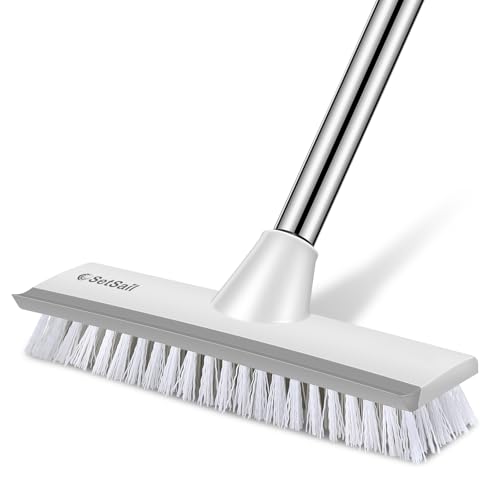
- soft bristle floor scrub brush hardwood floors
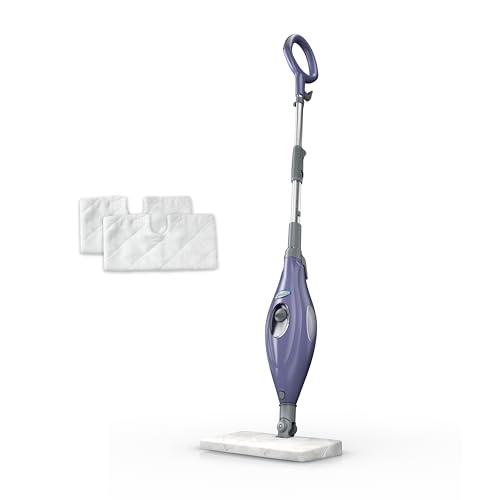
- electric steam mop for hardwood floors

Before You Start
Clear rooms of furniture and rugs to access all floor surfaces. Vacuum or sweep to remove loose grit that can abrade the finish. Perform a spot test in an inconspicuous area to confirm the cleaner does not discolor or dull the wood. Never use amonia-based cleaners, wax, or steam on unfinished or sealed surfaces not rated for moisture. Plan for a light cleaning session that minimizes moisture exposure, especially around gaps and edges. Time estimate: 20–40 minutes for a typical room, depending on square footage.
Step-By-Step: Cleaning White Oak Floors
- Prepare the floor by removing all loose debris with a dry microfiber pad or broom.
- Spray a small amount of wood floor cleaning spray for oak flooring onto a section or onto a damp microfiber mop, following product directions.
- Wipe in the direction of the wood grain to lift dirt without pushing moisture into seams.
- For stubborn spots, apply a small amount of pH neutral wood floor cleaner for white oak directly to a soft bristle floor scrub brush and gently scrub the area.
- Rinse the mop frequently and ring out well to avoid puddles; never leave standing water on the floor.
- Go over the entire surface with a clean damp microfiber pad to remove any remaining cleaner residue.
- Allow the floor to air dry completely before returning furniture or rugs to the room.
- If using an electric steam mop for hardwood floors, verify the device is approved for your floor’s finish and use the lowest steam setting with light passes.
- Reassess high-traffic zones; repeat cleaning as necessary, typically every 1–2 weeks in normal use.
- Maintain routine with a light, regular wipe-down using the microfiber mop and occasional spot cleaning to prevent buildup.
- Store cleaning tools dry and away from direct sunlight to prevent warping or discoloration of the wood.
Troubleshooting
| Symptom | Likely Cause | Fix | Prevention |
|---|---|---|---|
| Cloudy or streaky finish | Residue from cleaners or improper drying | Wipe with a clean damp microfiber pad and dry completely | Use pH-neutral cleaners and avoid over-wetting |
| Water rings or discoloration | Excess moisture or prolonged exposure | Dry floor immediately; avoid puddles | Use handheld dampening approach, not soaking wet mops |
| Scratches or dull areas | Grit trapped in mop or abrasive tools | Switch to a fresh microfiber pad; use a soft bristle brush gently | Regularly sweep and use protective felt pads on furniture |
| Finish peeling after cleaning | Incompatible cleaner or poor test | Cease use of offending product; consult manufacturer guidelines | Always perform spot tests before broader use |
Common Mistakes
- Using wax-based or oil-based products on prefinished white oak
- Applying excessive water or steam on sensitive finishes
- Forgetting to dry the floor promptly after cleaning
- Directly spraying cleaners onto wood instead of onto the mop
- Choosing harsh, abrasive brushes or scouring pads
Tips For Best Results
- Schedule routine weekly maintenance with a microfiber mop to minimize buildup.
- Opt for a pH neutral wood floor cleaner designed for white oak to preserve finish.
- Follow grain direction during cleaning to reduce wear on the wood surface.
- Keep humidity levels stable in living spaces to protect wood from expansion and contraction.
Call A Professional
Seek professional help if there are wide-spread water damage, visible lifting of the veneer, or persistent staining that does not respond to standard cleaning. Avoid DIY methods that involve sanding or refinishing without proper assessment, as improper techniques can worsen damage.
FAQ
Is a steam mop safe for all white oak finishes?
Not necessarily. Only use an electric steam mop if the floor manufacturer approves it for your finish and follow the lowest setting.
Can I use vinegar to clean white oak floors?
Vinegar is not recommended for most wood finishes as it can dull or damage protective coatings over time.
How often should I clean white oak floors?
Light cleaning weekly with a microfiber mop and pH-neutral cleaner is typical; deep cleaning as needed based on traffic and grime.
What should I do about pet hair and dust on oak floors?
Regular sweeping or vacuuming with a floor-friendly attachment helps minimize scratching and buildup.
Are there glossy or matte finishes that require different cleaners?
Yes. Always follow the floor’s finish manufacturer recommendations for compatible cleaners and methods.
Can I use a wet mop on white oak floors?
A damp mop is acceptable if the moisture is controlled and the floor is well-sealed; avoid soaking the wood.
What maintenance steps can extend floor life?
Place felt pads under furniture, use area rugs in high-traffic zones, and clean up spills promptly to protect the finish.
Buying Guide
When choosing products and gear for white oak floor care, consider how the items work together to protect the finish and minimize wear.
- Size and coverage: Choose a mop or pad that covers floor area efficiently without excessive moisture.
- Noise level: Quiet cleaning tools reduce disruption, especially in living spaces.
- Energy efficiency: Manual mopping or low-energy cleaning sprays conserve resources.
- Controls and ease of use: Simple spray mops or ready-to-use cleaners streamline routines.
- Placement and storage: Store cleaners in a cool, dry place away from children and pets; keep tools accessible but organized.
For most homes, pairing a pH neutral wood floor cleaner for white oak with a microfiber mop for hardwood floors oak yields reliable results. Should grime accumulate in corners or behind furniture, a soft bristle floor scrub brush hardwood floors can help without risking finish damage. If evaluating faster cleaning options, an electric steam mop for hardwood floors is acceptable only when the floor’s finish allows steam and instructions are strictly followed. Regular, mindful maintenance helps preserve the natural beauty and longevity of white oak flooring.