Maintaining clean watercolor brushes extends their life and improves painting outcomes. Proper cleaning removes pigment, preserves bristles, and prevents color contamination in future sessions. This guide provides practical steps and smart tool choices for American artists, from quick at-home cleans to deeper maintenance.
Quick Answer
Quick method: Rinse brushes in lukewarm water, gently swirl on a soft soap bar or dedicated cleaner, reshape bristles, and air-dry with the ferrule free of water. For stubborn pigment, repeat with a brush cleaning mat to lift dried color.
What You’ll Need
For best results, gather these tools and supplies. They cover everyday cleaning and deeper care.
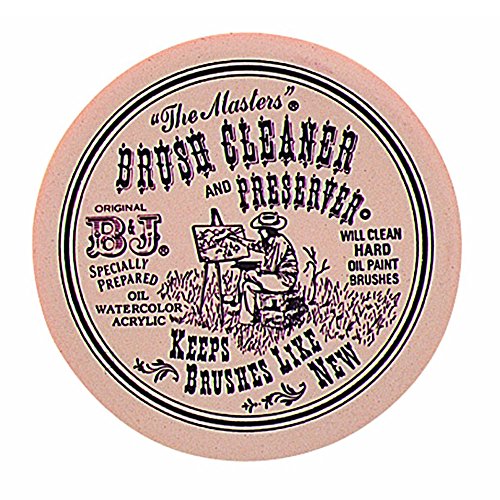
- Watercolor brush cleaning soap bar for artists
- Silicone brush cleaning mat for watercolor brushes
- Brush cleaning pot with built-in strainer for artists
- Art brush cleaner solution for watercolor brushes
- Watercolor brush cleaning kit with soap and palette


Before You Start
Before cleaning, set up a workstation with a shallow tray or sink, a towel for blotting, and good ventilation if using cleaner solutions. Protect delicate brushes by using lukewarm water only and avoid hot water which can distort bristles. Cleaning time varies: basic rinses take a few minutes; deeper conditioning may require longer soaking. Always rinse thoroughly to avoid pigment transfer in future paintings.
Step-By-Step: Cleaning Watercolor Brushes
- Remove excess paint by gently wiping the brush on a rag or paper towel.
- Rinse the brush head under lukewarm running water, keeping the brush bristles pointing downward to prevent water from seeping into the ferrule.
- Work a small amount of watercolor brush cleaning soap bar for artists or art brush cleaner solution for watercolor brushes into the bristles, forming a light lather.
- Use the silicone brush cleaning mat for watercolor brushes to agitate and lift pigment from stubborn areas with gentle circular motions.
- Rinse again until the water runs clear. Repeat if necessary for deeply stained brushes.
- Gently squeeze excess water from the bristles and reshape them to their original taper.
- Place the brush across a drying rack or lay it flat on a towel with the bristles extending beyond the edge of the surface to maintain shape.
- For brushes with wooden handles, avoid soaking the ferrule area for long periods and dry promptly to prevent swelling.
- Store brushes with bristles aligned and dry to prevent distortion or mildew buildup.
- Periodically deep-clean brushes using the watercolor brush cleaning kit with soap and palette for thorough maintenance.
Troubleshooting
| Symptom | Likely Cause | Fix | Prevention |
|---|---|---|---|
| Rings or color streaks remain after cleaning | Dried pigment trapped in bristles | Use silicone brush cleaning mat with gentle agitation; repeat with cleaner | Clean brushes immediately after use |
| Water leaks into the ferrule during cleaning | Brushing technique or damaged ferrule | Keep water at the bristles only; inspect ferrule for looseness | Avoid soaking handles |
| Bristles splaying or collapsing when dry | Over-aggressive shaping or heavy products | Gently reshape and use lighter products | Use proper brush size for stroke work |
| Drying takes too long | Heavy bristles or compact ferrule | Blot on towel, then air-dry with bristles hanging | Store brushes with space to dry |
Common Mistakes
- Using hot water or harsh solvents that weaken bristles
- Soaking brushes by the ferrule, causing wood swelling
- Forgetting to reshape bristles after cleaning
- Neglecting to rinse thoroughly, leaving soap residue
Avoid these missteps to extend brush life and keep colors clean for future work.
Tips For Best Results
- Clean brushes promptly after use to prevent pigment setting
- Use a dedicated cleaner for watercolor to protect bristle integrity
- Rinse with lukewarm water; hot water can damage bristles
- Keep brushes well-shaped while drying; avoid resting bristles in a pool of water
- Rotate brushes to distribute wear and reduce pigment buildup in the ferrule
Call A Professional
Seek professional help if brushes show persistent stiff bristles, significant warping, or visible mold growth. If a brush head detaches from the handle or the ferrule becomes corroded, replace the tool rather than attempting risky repairs.
FAQ
How often should I clean watercolor brushes?
Clean brushes after each painting session to prevent pigment buildup and preserve brush shape.
Can I soak brushes in cleaner solutions?
Minimal soaking is acceptable for some brushes, but avoid prolonged exposure to protect the ferrule and handle.
What’s the best way to dry brushes?
Lay brushes flat or with bristles hanging over the edge to maintain shape and prevent water from seeping into the ferrule.
Are there brushes that require special cleaning?
Natural hair brushes and cheaper synthetic blends may need gentler cleaning; always follow manufacturer guidance when available.
Buying Guide
When choosing tools for cleaning watercolor brushes, consider size, material quality, and ease of use. A dedicated silicone brush cleaning mat for watercolor brushes helps lift pigment without aggressive scrubbing, while a brush cleaning pot with built-in strainer for artists keeps the workspace tidy and drains water efficiently. For frequent, thorough cleanings, a watercolor brush cleaning kit with soap and palette provides a complete solution. If you tend to do quick washes, a compact watercolor brush cleaning soap bar for artists can be kept at the studio sink. Look for brushes and tools that are gentle on bristles, are easy to rinse, and dry quickly to minimize downtime between sessions.
Factors to weigh include:
- Size and handle design for different brush types and comfort
- Material compatibility with watercolor pigments and cleaners
- Ease of cleaning—mat, soap, and tools should reduce the effort needed
- Durability and storage—sturdy pots and racks keep tools organized
- Budget and value—invest in quality tools that last longer and produce better results
Whether you’re a student, hobbyist, or professional, selecting the right cleaning kit and accessories can simplify maintenance and help preserve the life of watercolor brushes.