Water stains on windows can mar clear views and reduce curb appeal. With the right tools and a patient approach, glass surfaces can regain their transparency. This guide outlines practical steps, recommended tools, and common fixes to tackle hard water deposits and mineral rings on residential windows.
The following method focuses on safe, effective cleaning that minimizes streaks and damage to seals or frames while using widely available products.
Quick Answer
Use a dedicated water stain remover or a glass cleaning razor scraper for stubborn deposits, paired with an extendable pole and squeegee for reach. Follow with microfiber cloths to buff dry and prevent streaks. Repeat as needed and avoid abrasive scrubbing that can scratch glass.
What You’ll Need
- Window squeegee kit for water stain removal
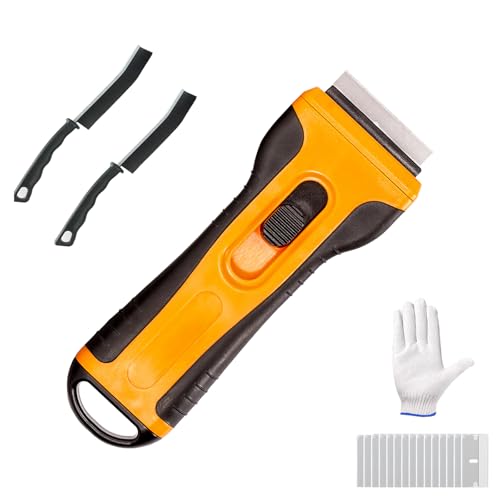
- Glass cleaning razor scraper for hard water stains on windows
- Extendable window cleaning pole with squeegee and scrubber
- Microfiber window cleaning cloths set for hard water stains
- Hard water stain remover spray for glass windows


Before You Start
Inspect windows for cracked seals or chipped glazing; if present, avoid aggressive scrubbing as it may worsen leaks. Choose a dry, mild day to minimize rapid drying and streaks. Use protective gloves to reduce skin contact with cleaners. Time estimate: 30–60 minutes per average-sized window, more for large, multi-pane panes.
Safety cautions: Do not use metal scrapers on antique or delicate glass; keep cleaners away from wooden frames to prevent warping. Avoid mixing cleaners with ammonia-based products, which can create harmful fumes.
Step-By-Step: How To Clean Water Stained Windows
- Remove loose dirt with a dry microfiber cloth or a soft brush to prevent scratching during cleaning.
- Spray the hard water stain remover spray onto the stained areas, focusing on mineral rings and spots.
- Let the remover sit per label instructions to break mineral deposits; do not let it dry completely.
- Use the extendable pole with the scrubber attachment to agitate stubborn spots from the outside or inside, depending on access.
- Wipe away dissolving residue with the microfiber cloth, moving from top to bottom to reduce drips.
- Switch to the squeegee end to lift remaining moisture in smooth, even strokes. Wipe the blade with a microfiber cloth between passes.
- Inspect for streaks; if any remain, buff with a clean microfiber cloth in a circular motion until glass reads clearly.
- For persistent deposits, carefully use the glass cleaning razor scraper at a shallow angle; avoid heavy pressure to prevent scratches.
- Rinse window surfaces with a mist of clean water and dry again with microfiber cloths to prevent new water spots.
- Clean the window frames and tracks separately to remove any residue that could transfer to glass later.
- Repeat on high-traffic windows or solar panels if needed, using lighter passes to avoid damage.
- Store tools properly after use and allow glass to air dry briefly before re-exposing to dust or humidity.
Troubleshooting
| Symptom | Likely Cause | Fix | Prevention |
|---|---|---|---|
| Streaks after cleaning | Mineral deposits left behind; improper drying | Re-clean with microfiber cloths and a drying pass with the squeegee | Dry windows promptly; use dedicated microfiber cloths |
| Scratches appear on glass | Razor scraper used too aggressively | Switch to gentler cleaning methods and replace dull blades | Test a small area first; avoid metal tools on delicate panes |
| Streaks around edges | Excess cleaner running off edges | Finish with a vertical stroke near the jambs and wipe edge drips сухо | Use minimal cleaner per pass |
| Residue on frames | Cleaner contacted wood or painted surfaces | Wipe frames separately with a damp cloth | Mask frames or use window-safe products only on glass |
Common Mistakes
- Using abrasive sponges or pads that scratch glass
- Over-wetting windows and letting moisture pool on sills
- Skimping on drying time, leading to rapid spotting
- Mixing multiple cleaners that cause chemical reactions
Standard routines emphasize gentle scrubbing, controlled moisture, and immediate drying to prevent mineral re-deposition.
Tips For Best Results
- Choose an overcast day to prevent rapid drying and streaks from sun glare.
- Work from top to bottom to control drips efficiently.
- Switch to a clean microfiber cloth after every few passes for consistent results.
- Keep the squeegee blade clean and dry to maintain smooth strokes.
- Pre-rinse heavily stained panes before applying stain remover for better penetration.
Call A Professional
Stop and call a professional when windows are severely etched, damaged, or if frames show structural issues. Also seek help if stains reappear after multiple cleanings or if you encounter persistent leaks around the glazing. Professionals can assess seal integrity and glass damage that DIY methods may not fix.
FAQ
Can I use vinegar for hard water stains on windows?
Yes, diluted vinegar can help dissolve mineral deposits, but avoid using on stone frames and test a small area first.
What’s the best method to prevent new water spots?
Dry each pane completely after cleaning and consider applying a water-repellent treatment designed for glass.
Are razor scrapers safe on all window types?
Razor scrapers are not suitable for all glass types; use cautiously and avoid antique or delicate panes.
How often should I clean water-stained windows?
Typically, every 1–3 months depending on water hardness and exposure; in hard-water areas, monthly cleaning helps maintain clarity.
Buying Guide
When selecting equipment for water-stain removal, consider size, ease of use, and accessibility. For homes with multi-story windows, an extendable pole with an integrated squeegee and scrubber offers reach and convenience. Look for a window squeegee kit that includes replaceable blades or a razor scraper head designed for glass. Microfiber cloths should be plush and lint-free to prevent new streaks. A dedicated hard water stain remover spray can quickly target mineral deposits without harming frames or seals. For best results, pair a quality remover with a flexible squeegee and a set of soft cloths to achieve a crystal-clear finish. Assess cleaning projects by window size, number of panes, and the distance from ground level to ensure safety and efficiency.
Buying Guide: Key Buying Factors
- Size and Reach: Extendable poles improve access to high or hard-to-reach windows without ladders. Consider a model with adjustable length and bendable joints for flexible angles.
- Tools And Attachments: A combination kit with a squeegee, scrubber, and blade replacement options reduces the need for multiple purchases.
- Surface Safety: Choose tools with non-scratch pads and blades that are safe for glass while removing mineral deposits effectively.
- Cleaning Solutions: Use dedicated hard water stain remover sprays designed for glass and avoid products that can damage frames or seals.
- Cloth quality: Microfiber cloths should be lint-free and highly absorbent to minimize streaks and speed up drying.
- Ease Of Use: Consider ergonomic handles, lightweight materials, and simple blade changes for efficient cleaning sessions.
- Maintenance: Look for blades and scrapers that are easy to clean and replace; store tools dry to prevent rust.
- Placement And Safety: For upstairs windows, use extendable tools and ensure stable footing; never lean over dangerous edges.