Old glass bottles with cloudy interiors can be restored to shine with a careful cleaning routine. The process relies on gentle abrasion, effective cleaning agents, and tools designed for narrow necks and stubborn residues. This guide provides practical steps to remove mineral buildup, clouding, and stains without damaging the glass.
Quick Answer
For cloudy glass bottles, start with a narrow-neck brush to scrub the interior, then use cleaning beads or tablets to lift mineral buildup. Soak the bottles with a cleansing solution, agitate with a bottle brush, rinse thoroughly, and dry completely. Repeat if necessary, and finish with a final rinse and air-drying to prevent new clouding.
What You’ll Need
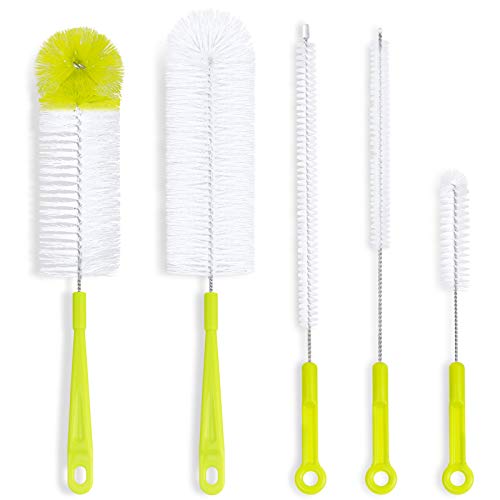
- long-handled bottle brush for narrow neck bottles
- narrow-neck glass bottle cleaning brush
- glass bottle cleaning beads for cloudy bottles
- bottle cleaning tablets for glass bottles
- bottle cleaning kit for cloudy glass bottles


Before You Start
Assess the bottle material and preserve any decorative finishes. Use warm water rather than hot to avoid thermal shock. Work in a well-ventilated area and wear gloves to protect skin from cleaning solutions. Prepare a clean workspace and lay down a towel to catch spills. Time estimate: 20–45 minutes per bottle, depending on level of cloudiness. Critical cautions include avoiding abrasive scrubbers on delicate bottles and never mixing cleaners unless specifically advised by product instructions.
Step-By-Step: How To Clean Old Cloudy Glass Bottles
- Rinse the bottle with warm water to remove loose debris and dust.
- Pour a cleaning solution into the bottle. A recommended mix is warm water with a small amount of bottle cleaning tablets for glass bottles, allowing it to fizz and break down mineral deposits.
- Insert the long-handled bottle brush for narrow neck bottles and scrub the interior walls in a circular motion, ensuring the bristles reach the bottom.
- If clouding persists, add glass bottle cleaning beads for cloudy bottles to the solution. Gently swirl the bottle so the beads abrade mineral deposits without scratching the glass.
- For stubborn residues, rotate in a second pass with the narrow-neck glass bottle cleaning brush to target hard-to-reach spots around the neck and base.
- Empty the solution and rinse thoroughly with clean warm water. Repeat the rinse until all cleaning agents are removed and the water runs clear.
- Dry the bottle completely by placing it upside down on a clean towel or rack. Use a soft cloth to wipe the exterior if needed.
- Store the bottle in a dry area away from direct sunlight to prevent future clouding from moisture and minerals.
Troubleshooting
| Symptom | Likely Cause | Fix | Prevention |
|---|---|---|---|
| Persistent clouding after cleaning | Mineral buildup or residue embedded in glass | Repeat cleaning with cleaning beads and bottles tablets; soak longer | Prevent by regular cleaning after use |
| Scratches or visible marks | Overly abrasive cleaning | Switch to gentler brushes and avoid aggressive scrubbing | Use proper brush sizes and avoid metal tools |
| Rings or water spots on exterior | Hard water drying | Wipe dry with a soft cloth; polish exterior | Rinse with distilled water for final rinse |
| Bad odors after cleaning | Residual cleaning agents | Thoroughly rinse; air-dry completely | Rinse with a vinegar-water final rinse if safe for the bottle |
Common Mistakes
- Using abrasive scrubbers inside delicate glass bottles
- Soaking too long with harsh chemicals that can etch glass
- Rinsing incompletely, leaving residues behind
- Skipping thorough drying, which invites new clouding from moisture
Tips For Best Results
- Work with lukewarm water; extreme temperatures can stress glass
- Alternate between brushes to maximize contact with all interior surfaces
- Use the bottle cleaning beads in cycles to avoid over-scrubbing
- Rinse bottles with distilled water for a spotless finish
- Label the bottle after cleaning if it will be reused for storage
Call A Professional
Consider professional help if the bottle is irreplaceable, highly valuable, or shows signs of cracks or plating damage. Stop cleaning and consult a restoration specialist if any glass integrity concerns arise, such as chips, deep scratches, or visible fractures. Seek a pro when clouding recurs after multiple cleaning attempts or if the bottle has historic value.
FAQ
Can I use regular dish soap to clean cloudy glass bottles?
Yes, a mild dish soap can be used as part of the cleaning routine, especially for initial rinsing, followed by a thorough rinse to remove any soap residue.
Will glass bottle cleaning beads scratch the glass?
When used as directed, the beads are designed to break down mineral buildup without scratching; avoid applying excessive force during agitation.
Are bottle cleaning tablets safe for decorative glass bottles?
Most tablets are safe for standard glass bottles; always check the product instructions and perform a test rinse on a small area if uncertain.
How often should cloudy bottles be cleaned?
Regular quick cleanings after use help prevent cloud buildup; deeper cleanings every few months maintain clarity for frequently reused bottles.
Buying Guide
When selecting tools to clean old cloudy glass bottles, consider size, compatibility with narrow necks, and the types of cleaning agents used. Look for a kit that includes a long-handled bottle brush, a dedicated narrow-neck brush, cleaning beads or tablets, and a dedicated bottle cleaning kit for cloudy glass bottles. Key buying factors include size and neck compatibility, noise and ease of use, energy and chemical efficiency, control over cleaning action, and placement flexibility for drying and storage. Compare multi-piece kits versus modular sets to tailor the solution to different bottle shapes and mineral concerns. For best results, choose equipment designed for delicate glass and multi-step cleaning, ensuring all components work together smoothly to restore clarity without damage.