Stainless steel surfaces in kitchens and bathrooms add a clean, modern look, but mineral-rich water spots can mar their shine. With the right products and techniques, you can restore luster without leaving streaks or scratches. This guide walks American homeowners through a practical, safe method to remove water spots from stainless steel and keep appliances looking new.
Quick Answer
Best quick method: apply a stainless steel cleaner spray or water stain remover gel, wipe with a microfiber cloth, then buff with a polish cream for a streak-free finish. For stubborn spots, repeat with a gentle sealant spray to maintain shine.
What You’ll Need
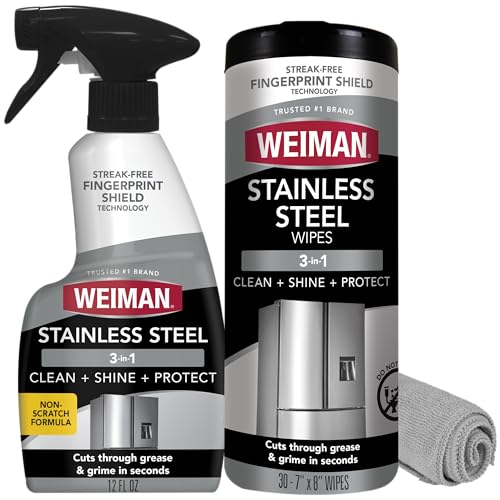
- Stainless steel cleaner spray water spots remover 24 oz
- Microfiber cloth stainless steel polishing cloth 12×16
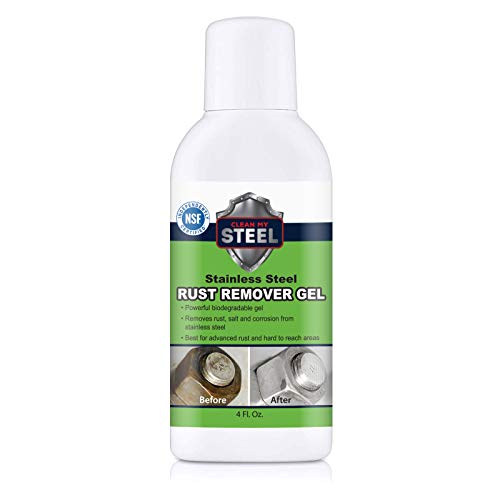
- Stainless steel water stain remover gel 16 oz
- Stainless steel spray and wipe cleaner for appliances
- Stainless steel polish cream 8 oz

Before You Start
Prepare the area by removing loose items from the countertop or appliance. Work in a well-ventilated space and test any product on a small, inconspicuous area first to confirm compatibility with your finish. Time estimate for a typical cleanup: 10–20 minutes per surface. Important cautions: avoid abrasive pads that can scratch, and never mix cleaners with bleach or ammonia.
Step-By-Step: How To Clean Water Spots Off Stainless Steel
- Wipe the surface with a dry microfiber cloth to remove loose dust and loose water spots.
- Apply a stainless steel cleaner spray water spots remover directly to a clean cloth or bottle spray on the affected area.
- Gently rub in the direction of the grain to lift mineral deposits without scratching.
- Inspect the area; if spots remain, apply a small amount of stainless steel water stain remover gel and rub with the microfiber cloth.
- Wipe away any residue with a fresh section of cloth, again following the grain.
- Buff the surface with a soft, dry microfiber cloth until a glossy, streak-free finish appears.
- Optionally apply a thin layer of stainless steel polish cream and buff to further enhance shine and protection.
- For larger appliances, repeat on the entire surface to ensure uniform appearance.
- Finish with a final light buff using a clean cloth to remove any remaining fingerprint smudges.
- Regular maintenance: wipe spills promptly and use a protective cleaner to prevent future water spots.
- Store products securely after use and label containers for future reference.
Troubleshooting
| Symptom | Likely Cause | Fix | Prevention |
|---|---|---|---|
| Streaks after cleaning | Residual cleaner or mineral buildup | Wipe with a fresh microfiber cloth and re-buff | Use a small amount of product and follow the grain |
| Scratches appear | Abrasive pad or harsh chemical | Switch to a soft microfiber and gentler cleaner | Avoid scrubbing pads; test first |
| Cloudy finish | Wrong product for stainless steel finish | Switch to a stainless steel-specific cleaner and polish | Check finish type before cleaning |
| Water spots return quickly | High mineral content in water; insufficient sealant | Apply a protective polish and wipe dry after use | Dry surfaces after washing or rinsing |
Common Mistakes
- Using abrasive cloths or pads on brushed finishes
- Over-wetting surfaces and letting moisture dwell
- Skipping a final buff, leaving residue behind
- Mixing cleaners, which can cause chemical reactions or streaks
To avoid these missteps, follow manufacturer directions, test products first, and keep a dedicated microfiber cloth for stainless steel maintenance.
Tips For Best Results
- Work in small sections to prevent drying and residue buildup.
- Always rub with the grain of the metal to reduce streaks.
- Choose a coated microfiber cloth to trap oils and minerals effectively.
- After cleaning, consider applying a light coating of polish cream to add a protective layer against water spots.
Call A Professional
Consider contacting a professional if the surface has deep pitting, persistent staining that resists standard cleaners, or if the finish appears dulled after repeated cleaning. Seek expert help for delicate or high-gloss panels to avoid costly damage.
FAQ
Can I use olive oil on stainless steel to remove water spots?
Olive oil can temporarily improve shine, but it may attract dust. Use dedicated stainless steel products for best results.
Will toothpaste remove water spots?
Toothpaste is mildly abrasive and may scratch sensitive finishes; it is not recommended for regular stainless steel cleaning.
What’s the best method for appliances with brushed finishes?
Use a stainless steel cleaner spray designed for brushed finishes and follow the grain to preserve texture.
How often should I clean water spots from stainless steel?
Wipe spills as they occur and perform a gentle cleaning weekly or biweekly to maintain a streak-free surface.
Buying Guide
When selecting products to clean water spots off stainless steel, consider these factors:
- Size and coverage: Larger bottles reduce frequent purchases, useful for kitchens with many panels.
- Noise level and ease of use: Sprays and gels that apply evenly without dripping improve user experience.
- Energy efficiency: Not applicable to cleaning products, but consider long-lasting formulations to minimize waste.
- Controls: Clear spray vs gel containers; choose what you prefer for application control.
- Placement: For tight corners on appliances, a gel can stay where needed until wiped clean.
- Compatibility: Ensure products are labeled for stainless steel and safe for your finish (polished vs brushed).
Another approach is to combine a stainless steel cleaner spray water spots remover with a microfiber cloth and finish with a stainless steel polish cream for ongoing protection. If you have very hard water, you might want to plan a monthly or seasonal deep-clean routine to prevent mineral buildup. Do you prefer a spray, gel, or cream-based system? The best choice often comes down to how you clean most surfaces and your maintenance pace.