The presence of green patina or copper corrosion can be a sign of aging metal, but it can also indicate surface damage that needs attention. This guide outlines safe, practical steps to remove green rust and restore the metal’s appearance without harming the underlying material. It covers common methods, suitable products, and safety considerations for American users who want reliable results.
Quick Answer
To remove green rust on metal, start with gentle cleaning using a patina remover designed for copper alloys, then move to a more robust rust remover if needed. Test on a small area first, follow product instructions, and rinse thoroughly. For stubborn corrosion, repeat or consider professional options.
What You’ll Need
- copper patina remover gel
- green rust copper corrosion cleaner spray
- copper tarnish remover paste
- patina remover for copper alloys spray
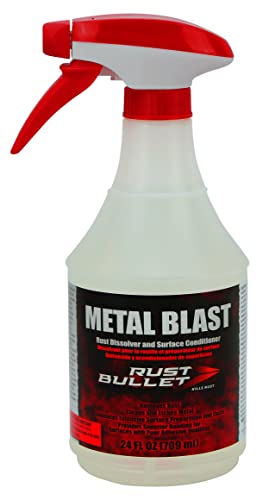
- rust remover for metal patina and corrosion
- protective gloves and eye protection
- soft cloths or non-abrasive brushes


Before You Start
Assess the metal type and finish before applying chemicals. Use protective gloves and eye protection. Work in a well-ventilated area and test a small area first to avoid damage. Time estimates vary: light patina removal may take 10–20 minutes, while deeper corrosion could require 30–60 minutes with multiple applications.
Step-By-Step: How To Clean Green Rust Off Metal
- Prepare the surface by wiping away loose dirt with a dry, soft cloth. This minimizes scratching during treatment.
- Apply a copper patina remover gel or patina remover for copper alloys spray to a clean cloth or directly to the affected area, following label directions.
- Gently rub in circular motions, focusing on green corrosion spots while avoiding intact, sensitive finishes.
- Rinse with clean water or wipe away with a damp cloth to remove loosened patina and cleaner residue.
- If green rust persists, apply a green rust copper corrosion cleaner spray or rust remover for metal patina and corrosion to the affected area according to the product’s instructions.
- Allow the metal to dry, then re-check for remaining staining. Repeat steps as needed, using the gentlest option first to minimize damage.
- For stubborn areas, apply a copper tarnish remover paste in a thin coat, let sit per instructions, then rinse and buff with a soft cloth.
- Finish with a light buffing to restore shine and color consistency. Apply a rust-inhibiting sealant if appropriate for the metal type.
- Document results and assess whether a professional refinishing is warranted for valuable pieces.
- Store all cleaners safely, away from children and pets, and label containers clearly for future use.
Troubleshooting
| Symptom | Likely Cause | Fix | Prevention |
|---|---|---|---|
| Streaks or uneven color | Uneven application or insufficient rinsing | Reapply cleaner to affected areas, rinse thoroughly | Apply evenly; follow product instructions |
| Metal dulls or scratches after cleaning | Rubbing with abrasive cloth | Switch to a softer cloth; avoid scrubbing | Use non-abrasive tools and gentle pressure |
| Patina returns quickly | Exposure to moisture or air after cleaning | Seal with appropriate coating; store properly | Protect metal from humidity |
| Discoloration on nearby finishes | Cleaner spread to painted or sealed surfaces | Isolate area and wipe promptly | Cover surrounding areas during treatment |
Common Mistakes
- Using aggressive abrasives that scratch the metal surface
- Over-applying chemicals without adequate rinsing
- Assuming all green corrosion is the same; copper-specific products work best
- Not testing a small area before full treatment
Tips For Best Results
- Always start with the gentlest cleaner designed for copper patina or copper alloys
- Test any product on a hidden spot to verify compatibility with the finish
- Work in short sessions to prevent over-processing the metal
- Buff with a clean, dry cloth after rinsing to restore luster
- Consider a protective sealant or wax after cleaning to slow future corrosion
Call A Professional
Consult a professional if the item is antique, valuable, or has intricate detail work that risk damage with DIY methods. Stop immediately if you notice any etching, discoloration spreading, or finish loss. Seek expert help for structural metal components or if unsure about the correct product for a specific alloy.
FAQ
Can I use household vinegar to remove green rust?
Household vinegar can help with mild patina, but it is not as effective or controlled as dedicated patina removers and may damage delicate finishes.
Is green rust the same as copper corrosion?
Green rust commonly refers to copper patina or copper corrosion products that form on copper alloys; appropriate copper-specific cleaners yield the best results.
Will cleaning restore metal to original color?
Cleaning can reveal the metal’s base color, but some patina or corrosion may alter the surface tone permanently.
How often should I clean patina on metal?
Frequency depends on exposure; routine inspection and gentle maintenance can prevent excessive buildup.
Are there eco-friendly options for patina removal?
Yes, many patina removers for copper alloys are formulated to minimize environmental impact while delivering effective results.
Is sealing necessary after cleaning?
Sealing is recommended for metals exposed to moisture or outdoor conditions to slow future corrosion.
What if the cleaning affects a painted surface nearby?
Immediately wipe off any cleaner from painted areas with water and a soft cloth to prevent damage.
Can I reuse leftover cleaner later?
Yes, store products as directed on the label and use within the recommended shelf life.
Buying Guide
When selecting products to remove green rust on metal, consider size, formula, and compatibility with copper alloys. Evaluate the following factors to make an informed decision.
Key buying factors
- Size and coverage: Choose a product size that matches the scale of the project; larger surfaces may require more product per application.
- Effectiveness: Look for products proven to remove patina and green corrosion on copper alloys, such as gels, sprays, or pastes.
- Material compatibility: Ensure the cleaner is safe for the metal type and finish you are treating.
- Ease of use: Sprays offer quick application; pastes allow targeted work on stubborn spots.
- Ventilation and safety: Select products with clear safety instructions and low odor if used indoors.
- Aftercare: Consider accompanying sealants or protective coatings to slow future patina formation.
- Brand reliability: Choose reputable brands with clear usage guidelines and accessible support.
Thinking about your project, what’s the best approach for your metal piece? If you’re uncertain, start with a gentler patina remover and test first. For heavy green corrosion, a more robust rust remover designed for patina and corrosion can be effective, but always follow the product directions. With careful selection and application, metal surfaces can regain their clean, natural appearance while maintaining structural integrity.