Construction projects often leave dust, splatters, and smudges on walls. A thorough cleaning restores color and finish while preventing damage to new paint or wallpaper. This guide provides a practical, step-by-step approach ideal for American households and powered by common cleaning tools.
Quick Answer
Best starting point: remove loose debris with a vacuum dusting brush, then gently wipe walls using appropriate tools to avoid streaks. For stubborn spots, switch to a sponge scrubber or a nylon bristle brush on painted surfaces, and finish with a handheld steam cleaner for a fresh look.
What You’ll Need
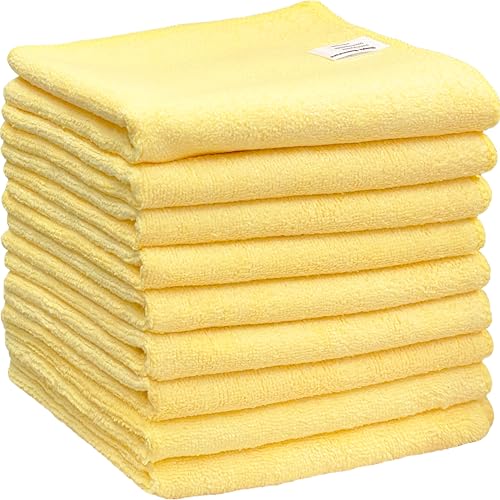
- post-construction wall cleaning microfiber cloths
- nylon bristle wall scrub brush for painted surfaces
- sponge scrubber for wall cleaning dust and splatters
- handheld steam cleaner for walls and ceilings
- vacuum dusting brush attachment for wall corners


Before You Start
Before cleaning, inspect walls for peeling paint, cracks, or freshly repaired areas. Lightly dust surfaces with a vacuum dusting brush to remove loose debris. Test a small, inconspicuous area with your chosen method to ensure it won’t damage the finish. Allow freshly painted walls to cure fully if needed. Protect floors and outlets with painter’s tape or drop cloths to prevent moisture contact and staining. Cleaning time can vary from 30 minutes to a few hours depending on wall size and finish.
Step-By-Step: How To Clean Walls After Construction
- Remove loose dust with a vacuum dusting brush attachment along corners, edges, and moldings.
- Dust ceilings and upper areas first to keep debris from resettling on already cleaned sections.
- Wipe painted surfaces with a microfiber cloth lightly dampened with water; avoid soaking the wall.
- For splatters, use a sponge scrubber to gently lift spots without abrading the paint.
- When tape or glaze residue remains, pause and test a small area with a nylon bristle wall scrub brush on painted surfaces, working in gentle, circular motions.
- Switch to a microfiber cloth for a final dry wipe to remove any moisture and prevent streaks.
- For stubborn stains, use a handheld steam cleaner at a safe distance and low setting, never directly on one spot for too long.
- Pay particular attention to corners, door frames, and baseboards where dust accumulates.
- Rinse the cloths frequently and change water when dirty to avoid re-depositing dirt.
- Inspect walls in daylight and re-clean any residual marks or smudges.
- Address any remaining issues by applying a compatible touch-up or repaint as needed after cleaning.
- Store cleaning tools properly and dry them to prevent mildew and odors.
Troubleshooting
| Symptom | Likely Cause | Fix | Prevention |
|---|---|---|---|
| Streaks on wall after cleaning | Excess moisture or dirty cloth | Use a clean, barely damp cloth; dry immediately | Wipe in a consistent direction |
| Paint dulling or lifting | Aggressive scrubbing or incompatible cleaner | Switch to gentle methods and a mild cleaner | Test area first; follow paint manufacturer guidance |
| Splatter remains on textured surfaces | Insufficient agitation | Use nylon bristle brush lightly in small sections | Clean in small passes; avoid heavy scrubbing |
| Residue around electrical outlets | Moisture near outlets | Keep moisture away from sockets; wipe with a dry cloth | Turn off power when cleaning near outlets |
Common Mistakes
- Using harsh cleaners or soaking walls, which can damage paint or wallpaper.
- Over-wetting the surface, especially on drywall or plaster.
- Scrubbing aggressively, causing surface imperfections or removed texture.
- Neglecting corners and high areas where dust accumulates.
Tips For Best Results
- Work from top to bottom to prevent dirty runoff on cleaned areas.
- Use dedicated tools for specific surfaces to avoid cross-contamination between finishes.
- Test products in a discrete area before broader application.
- Combine tools for efficiency: microfiber cloths plus a sponge scrubber handle heavy spots.
- Schedule cleaning after sufficient curing time on freshly painted walls to prevent damage.
Call A Professional
Consider a pro if walls show peeling paint, underlying moisture damage, or extensive taped seams that require professional removal. Stop and seek help if you notice cracking, mold growth, or paint peeling beyond simple dirt removal. A specialist can assess repair needs and ensure clearance of any construction residues without harming finishes.
FAQ
What is the best order to clean walls after construction?
Begin with dusting and vacuuming, then wipe surfaces with a lightly damp cloth, followed by spot treatment for stains and a final dry wipe.
Can I use a steam cleaner on painted walls?
Yes, on a low setting and with a light distance; avoid prolonged exposure to moisture on delicate finishes.
Which tool is ideal for corners and edges?
A vacuum dusting brush attachment excels at corners; a nylon bristle brush helps with tight edges on painted surfaces.
How do I handle stubborn stains on new paint?
Use a soft sponge scrubber with minimal moisture and gentle pressure, testing a small area first.
Is it safe to use harsh chemicals?
Avoid harsh solvents on new paint; opt for mild cleaners or manufacturer-approved products for your wall finish.
How long does it take to clean after construction?
Most projects finalize within 30 minutes to a few hours depending on wall size and finish quality.
Should I repaint after cleaning?
If stains persist or if wall finish was compromised during cleaning, a touch-up or repaint may be necessary after drying.
Buying Guide
When choosing tools for cleaning walls after construction, consider size, noise, and surface compatibility. For example, microfiber cloths work across most finishes, while a nylon bristle wall scrub brush is ideal for painted surfaces that resist scrubbing. A handheld steam cleaner can help with ceilings and grout-like textures, but ensure it suits wall materials. Energy-efficient, compact tools reduce clutter and are easier to maneuver in tight spaces. Pay attention to nozzle options, spray settings, and compatibility with paint types. Finally, consider replacement cloths and scrub heads to keep the cleaning process efficient and effective.