Regularly cleaning or refreshing your furnace filter helps improve indoor air quality, extend equipment life, and keep the HVAC system running efficiently. This guide explains practical steps to clean reusable filters and what tools can make the job easier. It also covers safety tips and common mistakes to avoid.
Whether you have a standard disposable filter or a reusable filter system, understanding proper cleaning frequency and technique can save money and reduce energy usage over time.
Quick Answer
What you’ll do: Remove the filter, inspect for damage, use a suitable cleaning method, rinse or wipe dry, and reinstall when completely dry. For reusable filters, brush away debris, wash with mild soap, rinse, and air-dry fully before reinstallation.
What You’ll Need
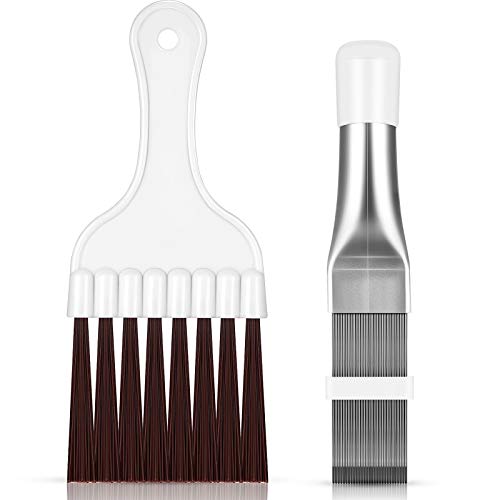
- Furnace filter cleaning brush kit
- HVAC air filter cleaning brush
- Vacuum attachment for cleaning furnace filters
- Crevice tool for HVAC filter cleaning
- Reusable furnace filter cleaning brush and sponge kit


Before You Start
Turn off the HVAC system and power to the furnace before handling filters. Check the filter type and size marked on the frame to ensure a proper fit. If you notice damage, excessive wear, or torn seals, replace the filter instead of cleaning. Wear gloves and eye protection when handling dusty filters. Plan for a 15–45 minute window, depending on filter size and accessibility.
Critical cautions: Do not operate the system with a wet or damp filter. Avoid using high-pressure water on delicate media unless the manufacturer approves it. Ensure ventilation while cleaning to minimize exposure to dust.
Step-By-Step: How To Clean A Furnace Filter
- Power down the furnace and locate the filter compartment.
- Remove the filter carefully to avoid dislodging trapped dust into the air stream.
- Inspect the filter for tears or noticeable deformation; replace if damaged.
- For reusable filters, use a furnace filter cleaning brush kit or HVAC air filter cleaning brush to loosen debris on the media.
- Gently brush in the direction of airflow to lift dust from the surface; avoid aggressive scrubbing that could damage material.
- Use a vacuum attachment for cleaning furnace filters or a crevice tool for HVAC filter cleaning to extract stubborn dust from corners.
- If washing is allowed by the manufacturer, rinse with lukewarm water and a mild detergent; otherwise wipe with a damp cloth.
- Rinse or wipe until the water runs clear and all soap residues are removed; shake gently to remove excess moisture.
- Let the filter air-dry completely in a clean area away from direct heat before reinstalling.
- Reinstall the filter securely, ensuring the correct airflow direction indicated on the frame.
- Turn the furnace back on and verify airflow through the returns is unobstructed.
- Establish a routine cleaning schedule based on household dust levels and filter type (monthly to quarterly).
Troubleshooting
| Symptom | Likely Cause | Fix | Prevention |
|---|---|---|---|
| Filter can’t be reinserted | Debris lodged in the frame | Carefully remove debris and straighten corners | Regular cleaning reduces buildup |
| Strong odor after cleaning | Residue from detergents | Rinse thoroughly and allow complete drying | Use mild, fragrance-free cleaners |
| Visible tears or deformation | Filtration media worn | Replace filter | Inspect on removal; replace early |
| Unusual noises or reduced airflow | Debris blocking the media | Clean or replace the filter | Maintain a regular cleaning schedule |
Common Mistakes
- Trying to clean disposable filters instead of replacing them when needed.
- Using high-pressure water that damages delicate media.
- Cleaning a wet filter and reinstalling it—air needs to dry completely.
- Not following the manufacturer’s cleaning instructions for a reusable filter.
- Forgetting to check the airflow direction when reinstalling the filter.
Following best practices helps extend filter life and maintain efficient airflow through the system.
Tips For Best Results
- Establish a routine based on dust exposure, pets, and occupancy; higher dust levels require more frequent cleaning.
- Use the right tools, such as a dedicated crevice tool for HVAC filter cleaning to reach tight spaces.
- Keep a spare reusable filter on hand to minimize downtime during cleaning cycles.
- Document the cleaning date and expected replacement interval in a home maintenance log.
- Store cleaning kits in a clean, dry cabinet to prevent contamination.
Call A Professional
Call a professional if the furnace shows persistent airflow problems, unusual noises after filter changes, or if the filter system requires disassembly beyond basic maintenance. Seek help if you notice mold growth on filter media or persistent musty odors, as these can indicate broader HVAC issues.
FAQ
How often should I clean or replace a furnace filter?
Clean or inspect reusable filters monthly during peak heating seasons; replace disposable filters per the manufacturer’s guidelines or when dirty.
Can I wash a disposable furnace filter?
No. Disposable filters are not designed to be washed; washing can damage media and reduce filtration efficiency.
What tools help with cleaning furnace filters?
Useful tools include a furnace filter cleaning brush kit, HVAC air filter cleaning brush, vacuum attachment for cleaning furnace filters, and a crevice tool for HVAC filter cleaning.
Is it safe to run the furnace without a filter during cleaning?
Not recommended. Running without a filter can let dust flow into the blower and ducts, potentially harming the system.
What signs indicate a filter needs replacement rather than cleaning?
Visible damage, deformation, tears, or persistent reduced airflow indicate replacement is necessary.
Buying Guide
When choosing filter-related tools and accessories, consider size, compatibility, and cleaning method. A flexible kit of brushes, sponges, and attachments can support multiple filter types. Look for tools labeled for HVAC filter cleaning and ensure compatibility with your furnace model. Materials should resist dust buildup and be easy to clean. If you use a reusable filter, confirm it’s designed for your system’s airflow and cleaning frequency. For households with pets or high dust, investing in robust cleaning tools can simplify routine maintenance and keep indoor air cleaner.
Final Thoughts
Regular maintenance of furnace filters keeps the heating system efficient and improves air quality. With the right tools—such as a furnace filter cleaning brush kit, HVAC air filter cleaning brush, and compatible vacuum attachments—homeowners can perform effective cleanings and extend filter life. Adhering to a planned schedule and following safety precautions will help maintain a comfortable and healthy home environment.