Leather presents a timeless balance of style and durability, but maintaining its suppleness and appearance requires proper care. This guide walks through practical steps to clean and soften leather using commonly available products, with a focus on American households and everyday living. Readers will learn safe cleaning methods, conditioning routines, and how to prevent common damage.
Quick Answer
Clean leather with a gentle, pH-balanced cleaner. Condition after cleaning to restore moisture and flexibility. Use a dedicated balm or wax-based conditioner for deeper softening, and finish with a protective layer to guard against future wear. Always test in an inconspicuous area before full application.
What You’ll Need
- leather cleaner and conditioner kit for furniture
- neutral pH leather cleaner spray
- leather conditioner balm for shoes boots
- beeswax leather conditioner and protectant
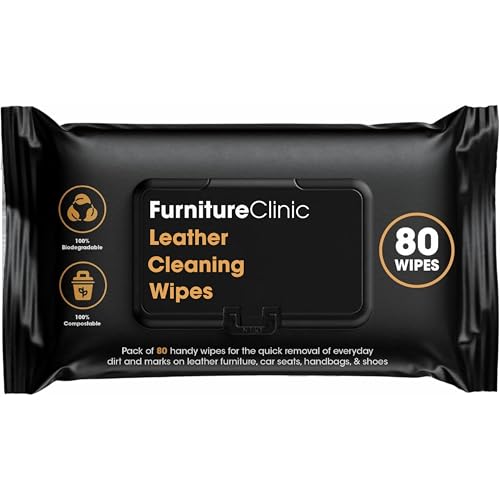
- leather cleaning wipes for handbags and jackets


Before You Start
Before applying any product, inspect the leather for cracks, color bleed, or finish wear. Work in a clean, well-lit area away from direct sunlight and heat sources. Use a soft microfiber cloth to avoid scratching the surface. If cleaning a valuable or delicate item, consider a professional cleaning first to gauge how the material responds to cleaners. Allow treated pieces to dry completely before use. Never saturate leather with any liquid cleaner, and avoid household solvents.
Step-By-Step: How To Clean And Soften Leather
- Gently brush away surface dust with a soft, dry cloth to prepare the leather for cleaning.
- Apply a small amount of neutral pH leather cleaner spray to a microfiber cloth, not directly onto the leather, and wipe in the direction of the grain.
- For heavily soiled areas, use a leather cleaner and conditioner kit for furniture following the kit’s instructions, focusing on areas with grime buildup.
- Wipe away any cleaner residue with a clean, dry cloth and let the leather air dry for a few minutes.
- Apply a thin layer of leather conditioner balm for shoes boots using circular motions to promote even absorption and flexibility.
- Let the conditioner sit for the time specified by the product (usually 5–15 minutes) and buff with a clean cloth to remove excess moisture.
- For extra protection and deeper nourishment, buff in a light layer of beeswax leather conditioner and protectant, focusing on the grain and stitched seams.
- Use leather cleaning wipes for handbags and jackets on small scuffs or interior linings as needed, avoiding contact with fabrics that may bleed color.
- Allow the leather to dry thoroughly, then test flexibility by gently bending a small, inconspicuous area. Reapply conditioner if stiffness persists.
- Finish with a soft wipe to remove any excess product and restore a healthy sheen.
- Store leather items away from direct sun and heat to prevent drying and cracking.
- Repeat conditioning every 3–6 months for furniture or once per season for accessories to maintain suppleness.
Troubleshooting
| Symptom | Likely Cause | Fix | Prevention |
|---|---|---|---|
| Sticky residue after cleaning | Product buildup | Wipe with a clean cloth, re-test with a small amount of cleaner | Use minimal product and follow directions |
| Dry, stiff leather | Insufficient conditioning | Apply conditioner balm and allow to absorb fully | Condition regularly based on usage |
| Discoloration after cleaning | Unstable dye or finish | Test first; avoid aggressive cleaners; consider professional color stabilizer | Spot test and use pH-balanced cleaners |
| Cracking at seams | Over-drying over time | Moisturize surrounding area and consult a pro for repair | Keep away from heat; maintain moisture |
Common Mistakes
- Using household soaps or detergents that strip natural oils
- Over-wetting leather during cleaning
- Applying heavy waxes to bare, unfinished leather
- Skipping a test patch on a hidden area before full application
Tips For Best Results
- Always use products designed for leather with a neutral pH to avoid color transfer or finish damage.
- Apply conditioners in a well-ventilated area and allow ample drying time between steps.
- For items in frequent use, consider a monthly light cleaning followed by conditioning every 2–3 months.
- Rotate leather items to prevent excessive wear in one spot and help distribute natural oils evenly.
Call A Professional
Seek professional help if leather shows significant cracking, deep stains, color loss, or structural damage such as torn seams or weakened stitching. Immediate professional assessment is recommended for antique or high-value pieces, or when DIY steps do not restore appearance or flexibility.
FAQ
Can I use regular cleaner on all leather types?
Not always. Use pH-balanced, leather-specific cleaners to protect dyes and finishes.
How often should I condition leather furniture?
Typically every 3–6 months, depending on use and climate.
Is beeswax safe on all leathers?
Beeswax-based products work well on finished, sealed leathers but may darken unfinished leather.
What should I do about water stains?
Blot gently, then use a leather cleaner compatible with your leather type and condition afterward.
Will conditioners restore stiffness?
Yes, with regular conditioning, but deep cracks may require professional repair.
Can I use leather wipes on all items?
Wipes are convenient for quick touch-ups on handbags or jackets; test color-fastness first.
Buying Guide
When selecting leather care products, consider size, compatibility with your leather type, and how often you’ll use them. Options vary from spray cleaners to balm-based conditioners and protective pastes. Evaluate noise-free, easy-to-use applicators for household furniture, and compact kits suitable for travel or small spaces. Look for products with clear instructions, a neutral scent, and reputable brand safety data. For households with multiple leather items (furniture, shoes, jackets), a balanced kit that includes cleaners, conditioners, and protectants can simplify routine maintenance. Consider packaging that protects against spills and makes storage simple. Finally, prioritize products with proven results and customer reviews that reflect real-world use in American homes.