Maintaining clean vinyl plank flooring (VPF) helps preserve its appearance and longevity. This guide provides practical, step-by-step methods using common cleaning tools while staying gentle on the surface.
Quick Answer
For everyday cleaning, use a microfiber mop for vinyl plank flooring with a neutral cleaner or a dedicated vinyl plank flooring cleaner spray 32 oz. Follow with a lint-free microfiber cleaning cloth to buff dry. Avoid abrasive scrubbing and high heat that can warp the planks.
What You’ll Need
- Microfiber mop for vinyl plank flooring
- Vinyl plank flooring cleaner spray 32 oz
- Non-abrasive vinyl floor scrub brush
- Steam mop for vinyl plank flooring (use only if manufacturer permits steam on your product)
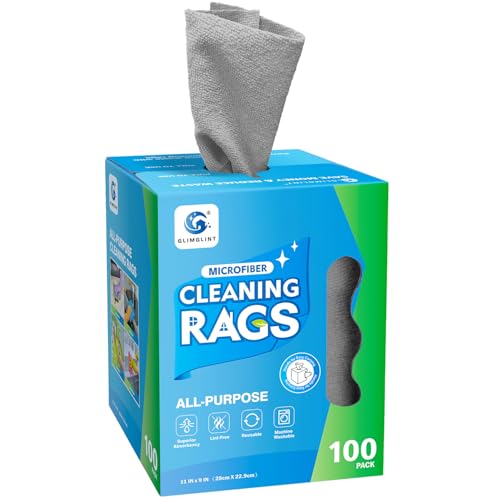
- Lint-free microfiber cleaning cloths for vinyl floors


Before You Start
Check your VPF warranty and follow the manufacturer’s recommendations. Move furniture and rugs to expose all floor areas. Test any cleaner in a small, inconspicuous spot for colorfastness. Ensure the room is well-ventilated. Time estimate: 15–45 minutes for a typical room. Avoid soaking the floor and never use harsh solvents or wax-based products, which can leave residues or damage the finish.
Step-By-Step: How To Clean Vinyl Plank Flooring
- Sweep or dry-mop the floor to remove loose dirt and grit that can cause scratches during cleaning.
- Apply a small amount of vinyl plank flooring cleaner spray 32 oz or a neutral cleaner to the mop or directly to the floor, following label directions.
- Wipe with a microfiber mop for vinyl plank flooring in smooth, overlapping strokes to lift dirt without saturating the seams.
- For stubborn spots, use a non-abrasive vinyl floor scrub brush with a gentle circular motion. Rinse the brush frequently to prevent spreading grime.
- Use a damp, not wet, mop head to avoid water seeping into seams; excessive moisture can cause warping over time.
- Spot-clean spills promptly using the damp cloth from your lint-free microfiber cleaning cloths for vinyl floors set to lift residues without leaving lint behind.
- If your floor’s care guide allows steam, lightly glide a steam mop for vinyl plank flooring across the surface in a slow, steady pass. Do not dwell on one spot too long.
- Go over the entire floor with a dry microfiber cloth or dry mop to remove any remaining moisture and prevent streaks.
- Inspect for missed areas; repeat cleaning steps on any persistent marks, using minimal moisture and gentle brushing.
- Return furniture cautiously after the floor is fully dry to avoid trampling damp areas.
- Schedule routine cleaning every week or two, depending on foot traffic, pets, and kids’ activity levels.
- Store cleaning tools properly, ensuring mop heads and cloths are clean and dry between sessions.
Troubleshooting
| Symptom | Likely Cause | Fix | Prevention |
|---|---|---|---|
| Streaks or dull film | Soap residue or over-wetting | Rinse with a clean damp cloth and dry thoroughly | Use minimal cleaner and avoid waxy products |
| Squeaky or sticky surface | Improper drying or soap buildup | Dry with microfiber cloths; re-clean with diluted cleaner | Dry each pass completely |
| Discoloration after cleaning | Harsh cleaner or sunlight exposure | Switch to a manufacturer-approved cleaner; shade the area | Follow cleaner directions and protect floor from sun |
| Warping edges | Excess moisture | Dry promptly; avoid standing water near seams | Use light moisture and quick-drying methods |
Common Mistakes
- Using abrasive pads or pads that scratch the surface
- Over-wetting the floor or allowing standing water
- Applying wax, polish, or oil-based products on vinyl planks
- Using ammonia- or bleach-based cleaners unless approved for vinyl plank flooring
- Cleaning with steam when the manufacturer cautions against it
Staying on the recommended cleaners and tools helps maintain the floor’s luster and prevents long-term damage.
Tips For Best Results
- Dust and sweep daily or several times per week to reduce ground-in dirt accumulation.
- Follow a consistent cleaning routine to avoid tough, set-in stains.
- Use lint-free microfiber cleaning cloths for vinyl floors to avoid lint and streaks during drying.
- Limit heat exposure; extreme heat can cause expansion or warping of planks.
- Rotate area rugs occasionally to prevent color fade under direct sun.
Call A Professional
Consider contacting a flooring professional if you notice persistent warping, large vinyl plank gaps, or persistent staining despite cleaning. Seek help when you see bubbling seams, delamination, or significant discoloration that cleaners cannot address.
FAQ
Can I use any cleaner on vinyl plank flooring?
Use cleaners labeled for vinyl plank flooring or those recommended by the manufacturer to avoid damage.
Is steam cleaning safe for vinyl plank flooring?
Steam can be safe on some VPFS models if approved by the manufacturer; otherwise, avoid or use sparingly with caution.
How often should I mop vinyl plank flooring?
Clean high-traffic areas weekly and perform a light wipe-down as needed between deeper cleanings.
What should I do about stubborn stains?
Treat with a gentle cleaner and a non-abrasive brush; test in a hidden spot first.
Buying Guide
Choosing cleaning tools and products for vinyl plank flooring requires attention to size, noise, energy use, controls, and placement. Consider a microfiber mop for vinyl plank flooring with a washable head for cost-effective maintenance. For households with kids or pets, a compact lint-free microfiber cleaning cloths for vinyl floors set reduces lint transfer and makes quick cleans easier. A dedicated vinyl plank flooring cleaner spray 32 oz can simplify routine maintenance, but verify compatibility with your flooring finish.
Keep noise levels in mind if cleaning during quiet hours, and ensure the tools’ weight and handle design reduce fatigue with extended use. Placement matters: store cleaning kits in easily accessible locations near the laundry or utility room. Compare cleaners based on how well they work on light and heavy soils, their residue profile, and whether they require rinsing. Finally, review warranty guidance to ensure your cleaning regimen won’t void coverage.