Vomiting can happen anywhere, and dealing with stained clothing promptly can prevent lingering odors and set-in stains. This guide provides practical, step-by-step methods using common stain-removal products designed for vomit on fabrics. The approach focuses on safe handling, effective pre-treatment, and thorough cleaning to restore fabric freshness.
By following these steps, readers can remove moisture, neutralize odors, and lift protein-rich stains from a variety of fabrics. The tips below emphasize using enzyme-based, oxygen-based, and odor-control products that are widely available in American households and stores.
Quick Answer
Key steps at a glance: blot (do not rub) to remove excess liquid, rinse with cold water, apply a pre-wash or enzyme-based stain remover, wash with an appropriate detergent, treat remaining odor with a fabric odor eliminator, and air-dry away from heat. For stubborn stains, repeat treatment before drying.
What You’ll Need
The following tools and products help tackle vomit stains on clothes. Gather these before you start for a smoother process.
- Enzyme stain remover spray for vomit on clothes 16oz
- Protein stain remover powder for vomit clothing 22oz
- Oxygen boost laundry stain remover for vomit stains on fabrics 40oz
- Pre-wash laundry pretreatment spray for vomit stains fabrics
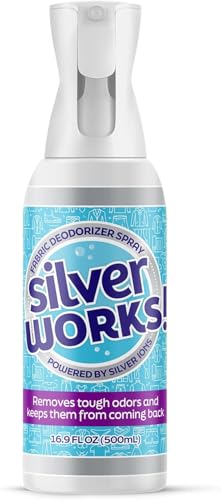
- Fabric odor eliminator spray for vomit smell on clothes 10oz


Before You Start
Preparation helps prevent damage to fabrics and skin. Work in a well-ventilated area and test products on a hidden seam to ensure fabric compatibility. Time is a factor: act quickly to minimize set-in stains and odors. Important cautions: avoid placing soiled items directly in your washing machine with delicate fabrics; read label directions for each product; wear gloves if you have sensitive skin; never mix cleaning agents with chlorine bleach.
Step-By-Step: How To Clean Vomit From Clothes
- Contain and blot—Gently lift the fabric and blot the vomit area with a clean cloth or paper towel to absorb as much liquid as possible without rubbing it deeper into fibers.
- Rinse cold—Rinse the stained area under cold running water from the back of the fabric to push the stain out of fibers rather than through them. Avoid hot water, which can set protein stains.
- Pre-treat—Apply a pre-wash laundry pretreatment spray for vomit stains fabrics or enzyme stain remover spray for vomit on clothes directly to the soiled area. Allow to sit for 5–10 minutes to penetrate.
- Apply enzyme power or soak—For best results, make a gentle paste or soak using protein stain remover powder for vomit clothing and water as directed. Enzymatic products work well on protein-based stains like vomit by breaking down organic matter.
- Launder with appropriate detergent—Wash in cold or warm water using a standard laundry detergent suitable for the fabric type. For heavily stained items, add an oxygen boost laundry stain remover for vomit stains on fabrics to boost whitening and stain lifting.
- Odor control—After washing, treat persistent smells with fabric odor eliminator spray for vomit smell on clothes. Lightly mist the exterior or affected areas after washing if odor lingers.
- Inspect before drying—Check the garment for remaining stains and odors. If needed, repeat the pre-wash and wash steps. Do not machine-dry until stain is fully removed, as heat can set remaining stains.
- Dry appropriately—Air-dry the item or use the appropriate dryer setting for the fabric type. Avoid high heat until you are sure the stain and odor are gone.
- Repeat if necessary—For stubborn stains, a second treatment with the enzyme or oxygen-based products can improve results without damaging fabric.
- Care for delicate fabrics—For silk, wool, or rayon, consider professional cleaning or test a small area first, as enzyme and oxygen cleaners can be harsh on certain fibers.
- Storage tip—If the stain proves difficult, store the item separately while testing alternate methods to avoid cross-contamination with other laundry.
Troubleshooting
| Symptom | Likely Cause | Fix | Prevention |
|---|---|---|---|
| Stain remains after washing | Protein-based stain set; insufficient pre-treatment | Re-treat with enzyme or protein stain remover and rewash | Pre-treat promptly; avoid heat before complete removal |
| Persistent odor | Odor absorbed by fibers | Apply fabric odor eliminator spray and rewash; consider second wash | Air out item after wash; use odor-control products |
| Color fading or fabric damage | Harsh chemical or prolonged soaking | Switch to milder pre-treaters or shorter soak time; test small area | Follow label directions; spot-test first |
| Stains on delicate fabrics | Enzymes or strong cleaners | Use gentle or diluted solutions; professional cleaning if unsure | Always check care label |
Common Mistakes
- Rubbing the stain aggressively, which pushes it deeper into fibers
- Using hot water on protein-based stains
- Skipping a test on hidden fabric areas
- Drying before confirming stain removal
- Mixing multiple cleaners without knowing compatibility
Tips For Best Results
- Act quickly: the sooner you treat, the easier the stain lifts.
- Choose enzyme stain removers for protein-based stains and oxygen-based boosters for tough residues.
- Use cold water rinses to prevent set-in staining during the early stages.
- Avoid over-wetting delicate fabrics; excess moisture can lead to color bleeding.
- For garments with strong odors, consider a second odor-eliminating treatment after washing.
Call A Professional
If stains are on valuable fabrics, persistent or unusual materials, or if there are skin sensitivities involved, stop and consult a professional cleaner. If a garment shows color bleeding, fabric distortion, or repeated unsuccessful cleanings, seek expert assistance to prevent further damage.
FAQ
Can enzyme stain remover spray be used on all fabrics?
Enzyme-based products are effective on many natural fibers and blends but may affect delicate fabrics. Always test a hidden area first and follow label instructions.
Is it safe to use oxygen boost stain removers on colored clothing?
Yes, most oxygen-based removers are safe for colorfast fabrics, but check the product label for any cautions on specific dyes.
Should I wash vomit stains in hot water?
No. Hot water can set protein-based stains, making them harder to remove. Use cold or warm water as recommended by product directions.
How long should pre-wash treatments sit before washing?
Most products suggest 5–10 minutes for pre-treatment to allow penetration; some enzyme formulas may require slightly longer for tougher stains.
Can I combine multiple stain removers in a single treatment?
Avoid mixing cleaners directly. Apply one product at a time per its instructions, then rinse before applying another if needed.
Are there stains I should take to a professional?
Yes, for delicate fabrics, color-bleed risks, or stubborn stains after multiple attempts, professional cleaning is recommended.
Buying Guide
Choosing the right products to prevent and treat vomit stains on clothes involves several buying factors. Consider the size of the stain and typical use, the fabric types in your wardrobe, and your household cleaning routine. Here are key buying factors to weigh:
- Size and concentration — A 16oz enzyme stain remover spray or a 22oz protein stain remover powder provides a good balance of coverage and cost for common stains. For larger households, a 40oz oxygen boost option offers bulk cleaning power.
- Fabric type compatibility — Always check care labels for delicate fabrics. Enzyme cleaners are generally effective on organic stains but may require dilution or avoidance on silk or wool.
- Odor control — If odors are a frequent concern, include a fabric odor eliminator spray (10oz) as part of your routine to freshen garments after cleaning.
- Pre-wash vs. post-wash strategies — A pretreatment spray helps with initial adhesion of stain removers, while enzyme and oxygen-based products support subsequent washing stages.
- Ease of use — Spray-on formats are quick for spot applications; powders require mixing or dissolving, which can be convenient for larger loads.
- Storage and safety — Look for child-safe packaging and clear usage instructions. Store cleaners in a cool, dry place away from direct sunlight.
Choosing a coordinated set, such as an enzyme stain remover spray, a protein stain remover powder, an oxygen boost additive, a pre-wash spray, and a fabric odor eliminator, helps ensure you have the right tools for most vomit-related stains on clothes. The combination supports quick action, effective cleaning, and lasting freshness, reducing the chance of repeat stains.