Vinyl plank floors offer durability and a versatile look, but keeping them clean requires the right approach. This guide outlines practical, residue-free methods to maintain shine and extend the life of vinyl plank floors in American homes.
From everyday mopping to tackling stubborn spots, the steps below emphasize gentle cleaning, compatible tools, and routine care that protect the floor’s surface while removing dirt and grime.
Quick Answer
Best quick approach: Use a microfiber mop with gentle cleaning solutions, followed by a rinse-free or water-damp wipe to avoid dulling the surface. For deeper cleaning, a steam mop with adjustable steam is suitable if the floor manufacturer approves it. Avoid harsh abrasives or high-heat steam on untreated vinyl.
What You’ll Need
- Microfiber mop for vinyl plank floors with soft pads
- Steam mop for vinyl flooring with adjustable steam control
- Vinyl floor cleaning kit microfiber pads reusable
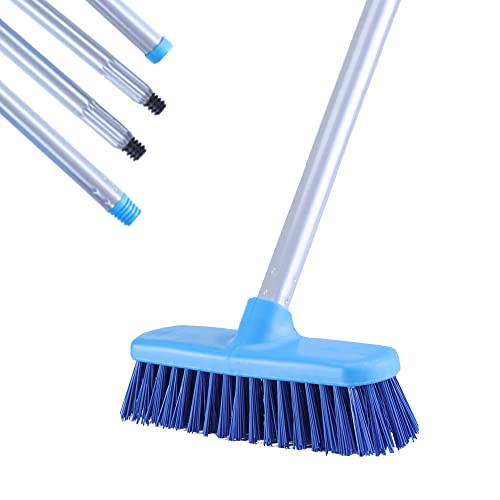
- Hard surface floor scrub brush attachment for broom
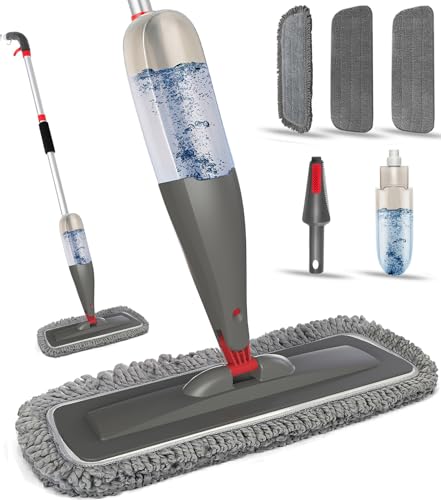
- Spray mop for vinyl floors with replaceable pads

Before You Start
Check the floor’s wipeable finish and any manufacturer recommendations before starting. Avoid ammonia, bleach, wax, or abrasive cleaners, which can dull or scar vinyl. If the floor is recently installed, allow adhesives to cure as directed. Time estimates for routine cleaning are typically 15–30 minutes, depending on area size. Safety note: unplug electrical devices when moving cords near wet surfaces and ensure good ventilation if using steam cleaners.
Step-By-Step: How To Clean Vinyl Plank Floors
- Remove loose debris with a dry microfiber mop or a soft-bristle broom to prevent scratching during cleaning.
- Prepare a mild cleaning solution suitable for vinyl, following the product instructions. A simple mix of warm water with a few drops of mild dish soap can work.
- Use a microfiber mop for vinyl plank floors with soft pads to apply the solution evenly across the floor in small sections.
- Gently mop in a back-and-forth pattern, overlapping each pass to avoid streaks. Do not oversaturate the mop; a damp cloth is enough to lift grime.
- For stubborn spots, a vinyl floor cleaning kit microfiber pads reusable can be used with a gentle scrub or pad change to lift residue without abrasion.
- Rinse if necessary with a clean damp microfiber mop to remove any soap residue. Or use a spray mop with replaceable pads for targeted spot cleaning.
- For sealed floors that tolerate low heat, a steam mop for vinyl flooring with adjustable steam control can be used on low steam settings for a quick refresh—but avoid prolonged steam on unsealed seams.
- Allow the floor to air-dry or dry with a clean, dry microfiber pad to prevent watermarks.
- Reassess high-traffic zones and repeat the process as needed, focusing on entrances and kitchen areas where dirt accumulates.
- Store cleaning tools in a dry area and keep pads clean between uses to maintain hygiene and floor protection.
Troubleshooting
| Symptom | Likely Cause | Fix | Prevention |
|---|---|---|---|
| Streaks after cleaning | Residue or soap buildup | Rinse with clean water and use a dry pad to buff | Use minimal soap and dry thoroughly |
| Scratches appear | Abrasive pad or dirty mop | Switch to a soft microfiber pad; Clean mop head regularly | Clean as directed and avoid rough pads |
| Water pooling | Excessive damp mop or porous grout | Wring mop well; usedamp cloths rather than wet mops | Spot-clean and dry promptly |
| Stains that won’t lift | Oil-based or heavy residue | Apply a milder cleaner and agitate gently | Wipe spills quickly to prevent staining |
Common Mistakes
- Using harsh chemical cleaners or abrasive tools on vinyl floors
- Over-wetting the floor, especially around seams or edges
- Ignoring manufacturer guidelines for steam cleaning
- Allowing dirt to build up in corners before cleaning
Regular maintenance reduces deep cleaning needs and helps preserve the floor’s appearance.
Tips For Best Results
- Dust and sweep daily in high-traffic areas to minimize soil buildup.
- Use color-coded mops if cleaning multiple rooms to avoid cross-contamination.
- Rotate cleaning tools to distribute wear evenly on the floor’s surface.
- Test cleaners in a small, inconspicuous area before full-scale use.
- Choose pads with soft fibers that are specifically designed for vinyl surfaces.
Call A Professional
Stop and call a professional if the floor shows widespread warping, significant warps near appliances, or if a warranty requires professional cleaning. Seek help if residue persists after multiple cleaning attempts or if you notice discoloration that won’t lift.
FAQ
Can I use a steam mop on vinyl plank floors?
Yes, but only if the floor manufacturer approves steam cleaning and you use the lowest steam setting and minimal contact time.
What should I avoid using on vinyl floors?
Avoid ammonia-based cleaners, bleach, wax, and abrasive scrubbers that can damage the surface.
How often should I mop vinyl plank floors?
Frequency depends on traffic, but a light weekly clean plus daily dusting is a good baseline for most homes.
Is it okay to use water-only cleaning for vinyl floors?
Water can be sufficient for light duty cleaning, especially when paired with a soft microfiber pad.
Do I need to seal vinyl plank floors?
No additional sealing is required for vinyl plank floors; routine cleaning and proper drying keep surfaces protected.
Buying Guide
When selecting cleaning tools for vinyl plank floors, consider size, noise, energy efficiency, controls, and placement. A microfiber mop for vinyl plank floors with soft pads is ideal for daily upkeep, while a steam mop for vinyl flooring with adjustable steam control offers deeper cleaning for sealed surfaces. Look for a vinyl floor cleaning kit microfiber pads reusable that reduces waste and supports longevity. A spray mop for vinyl floors with replaceable pads provides quick spot-cleaning versatility, and a hard surface floor scrub brush attachment for broom extends reach in tight spaces. Consider bundles that include all essentials for a comprehensive cleaning routine, ensuring pads are machine-washable and compatible with your vacuum or broom.